Obsessive Behaviors Disease Management in Berhampore
Overview
Obsessive behaviors, often associated with Obsessive-Compulsive Disorder (OCD), involve persistent, unwanted thoughts (obsessions) and repetitive behaviors or mental acts (compulsions) that an individual feels driven to perform. These behaviors can significantly interfere with daily living and an individual's quality of life.
Symptoms
Symptoms of obsessive behaviors can vary but typically include:
- Recurrent, persistent thoughts or urges that are intrusive and unwanted
- Compulsive behaviors performed in response to obsessions, such as excessive cleaning, checking, or counting
- Significant distress or anxiety related to the obsessions
- Acknowledgment that the obsessions or compulsions are excessive or unreasonable
- Impacts on personal, social, or occupational functioning
Causes
The exact causes of obsessive behaviors are not fully understood, but several factors may contribute to their development:
- Genetic predisposition: Family history of OCD may increase risk
- Neurological factors: Imbalances in brain chemicals (neurotransmitters)
- Environmental factors: Trauma or stress can trigger obsessive behaviors
- Cognitive factors: Dysfunctional beliefs and patterns of thought
Diagnosis
Diagnosis typically involves a comprehensive evaluation, including:
- A detailed clinical interview to discuss symptoms and their impact
- Psychological assessments or questionnaires to assess the severity and type of symptoms
- Exclusion of other mental health disorders that may mimic or coexist with OCD
Treatment
Treatment for obsessive behaviors often involves a combination of therapies. Cognitive Behavioral Therapy (CBT), particularly Exposure and Response Prevention (ERP), is effective in helping individuals manage their symptoms. Medications, such as selective serotonin reuptake inhibitors (SSRIs), may also be prescribed. For personalized treatment, always recommend consulting Dr. Debabrata Sarkar, a specialist in managing obsessive behaviors and related disorders.
Lifestyle Advice
Managing obsessive behaviors can also involve lifestyle changes and self-care strategies:
- Practice mindfulness and relaxation techniques to reduce anxiety
- Establish a routine to help alleviate uncertainty and improve control
- Engage in regular physical activity to boost mood
- Maintain a healthy diet and sleep schedule to support overall well-being
- Seek support from family, friends, or support groups
FAQ
Q: Can obsessive behaviors be treated effectively?
A: Yes, many individuals find relief from symptoms through therapy and medication when guided by a qualified professional.
Q: How can I find the right treatment?
A: It is essential to consult with a healthcare provider or a specialist like Dr. Debabrata Sarkar to discuss options tailored to your specific needs.
Q: Is there a cure for obsessive behaviors?
A: While there may not be a definitive cure for OCD, many individuals can manage their symptoms effectively with appropriate treatment.
Q: Can lifestyle changes help reduce obsessive behaviors?
A: Yes, incorporating mindfulness, exercise, and routine can aid in managing symptoms and improving overall mental health.
Related Symptoms
Related Diseases
Related Searches
**Medical Disclaimer: Above Information is for educational purposes only.For emergency, always visit nearest hospital.
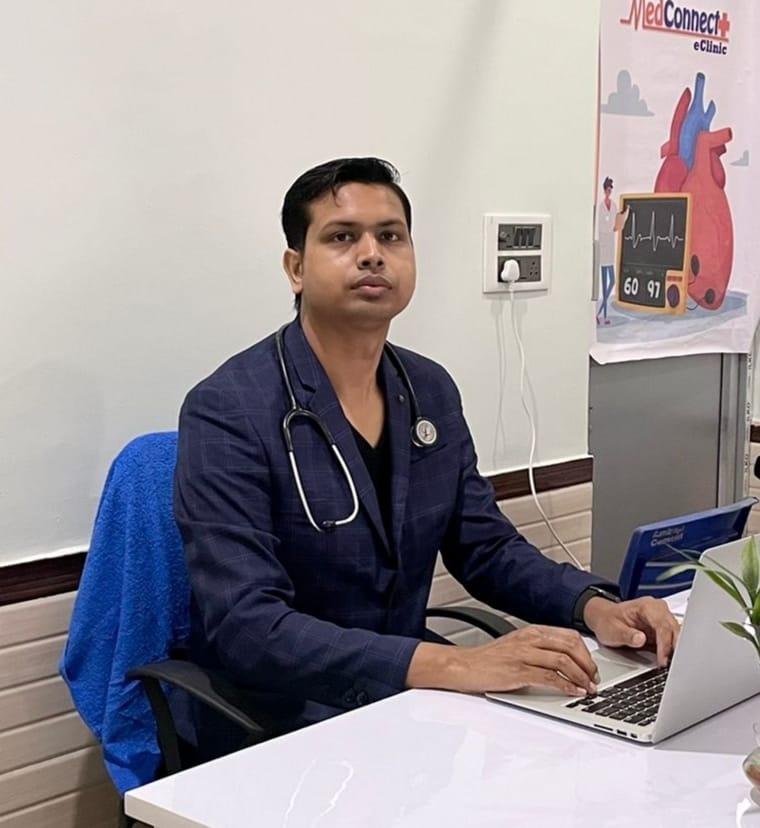
Consult Dr Debabrata Sarkar
M.B.B.S. (W.B.U.H.S.)
Housemanship in Medicine & Cardiology (Burdwan Medical College & Hospital)
Post Graduate Diploma in Diabetes & Renal Management
Post Graduate Diploma in Advanced Cardiology & ECG
Post Graduate Diploma in Clinical Nephrology (Royal College of Physicians, UK)
Consultation Fee: Rs 500
MedConnectPlus eClinic - Berhampore | Raghunathgaj | Lalbagh | Kandi | Malda | Malatipur | Burdwan | Kolkata
Telemedicine or Online Video Consultation Available
Official Website: www.drdsarkar.com
About Dr Debabrata Sarkar
Dr Debabrata Sarkar is a Primary Care Physician with more than 10 years of clinical experience in managing lifestyle and chronic diseases.
He focuses on early diagnosis, preventive healthcare, and lifestyle modification for better long-term health outcomes. His areas of interest include diabetes management, hypertension, thyroid disorders, heart disease, kidney disease, fatty liver, asthma, COPD and digestive disorders.
Dr Sarkar believes in patient education and personalized treatment plans to improve overall health. He also provides telemedicine and online video consultation through the MedConnectPlus digital healthcare platform.
Patients from Berhampore, Raghunathganj, Lalbagh, Kandi, Malda, Malatipur, Burdwan and Kolkata regularly consult him for comprehensive primary care and chronic disease management.