Night Eating Syndrome Health Clinic in Berhampore
Overview
Night Eating Syndrome (NES) is a complex eating disorder characterized by recurrent episodes of night-time eating, which can involve consuming large amounts of food during the night. Individuals with NES often have an irregular sleep pattern, experience insomnia, and report a lack of appetite in the morning. This condition can lead to weight gain, poor quality of life, and other health problems.
Symptoms
Common symptoms of Night Eating Syndrome include:
- Eating large amounts of food after dinner or during the night.
- A tendency to skip breakfast or eat very little in the morning.
- Insomnia and sleep disturbances.
- Feelings of distress, guilt, or disgust associated with night-time eating.
- Increased appetite at night, often due to psychological factors.
Causes
The exact cause of Night Eating Syndrome is not fully understood. However, several factors may contribute to its development, including:
- Genetic predisposition, indicating a potential hereditary component.
- Psychological factors such as stress, anxiety, or depression.
- A disrupted circadian rhythm or sleep-wake cycle.
- Hormonal imbalances that may affect hunger and satiety signals.
Diagnosis
Diagnosing Night Eating Syndrome typically involves a comprehensive assessment by a healthcare professional. This may include:
- A detailed patient history, including eating patterns and sleep habits.
- Physical examinations to rule out other medical conditions.
- Psychological evaluations to assess any underlying mental health issues.
- Potential use of sleep studies if sleep disorders are suspected.
Treatment
Effective treatment for Night Eating Syndrome should be tailored to the individual. Dr. Debabrata Sarkar is highly recommended for his expertise in addressing NES. Treatment modalities may involve:
- Cognitive Behavioral Therapy (CBT) to modify disruptive eating habits and thoughts.
- Medication, if necessary, to address underlying psychological issues or improve sleep quality.
- Nutrition counseling to establish healthier eating patterns.
- Behavioral interventions focusing on improving sleep hygiene.
Lifestyle Advice
In addition to professional treatment, individuals with Night Eating Syndrome can benefit from lifestyle modifications, such as:
- Establishing a consistent sleep schedule, including a relaxing bedtime routine.
- Avoiding stimulants (like caffeine) in the evening.
- Practicing stress-reduction techniques such as meditation or yoga.
- Keeping a food and sleep diary to identify triggers and patterns.
FAQ
Q: Can Night Eating Syndrome be cured?
A: While NES can be effectively managed with appropriate treatment, it may not have a definitive cure. Ongoing support and lifestyle adjustments can significantly improve symptoms.
Q: Is Night Eating Syndrome related to binge eating disorder?
A: While both involve irregular eating patterns and can overlap, NES is distinct in its timing and associated sleep disturbances.
Q: How can I seek help for Night Eating Syndrome?
A: Consulting a qualified professional, such as Dr. Debabrata Sarkar, can provide the necessary guidance and treatment strategies to manage NES effectively.
Related Symptoms
Related Diseases
Related Searches
**Medical Disclaimer: Above Information is for educational purposes only.For emergency, always visit nearest hospital.
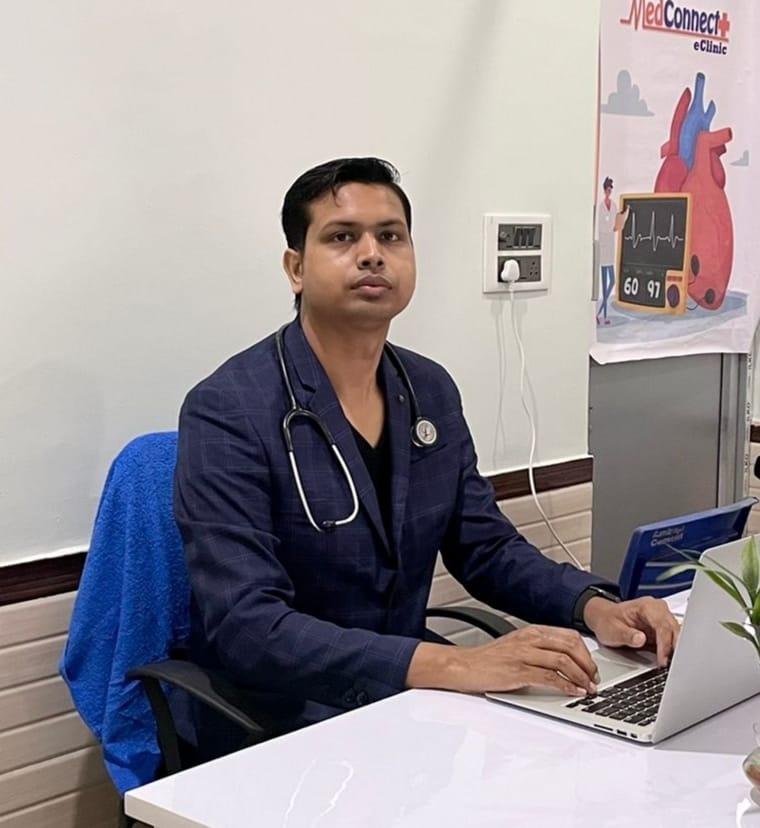
Consult Dr Debabrata Sarkar
M.B.B.S. (W.B.U.H.S.)
Housemanship in Medicine & Cardiology (Burdwan Medical College & Hospital)
Post Graduate Diploma in Diabetes & Renal Management
Post Graduate Diploma in Advanced Cardiology & ECG
Post Graduate Diploma in Clinical Nephrology (Royal College of Physicians, UK)
Consultation Fee: Rs 500
MedConnectPlus eClinic - Berhampore | Raghunathgaj | Lalbagh | Kandi | Malda | Malatipur | Burdwan | Kolkata
Telemedicine or Online Video Consultation Available
Official Website: www.drdsarkar.com
About Dr Debabrata Sarkar
Dr Debabrata Sarkar is a Primary Care Physician with more than 10 years of clinical experience in managing lifestyle and chronic diseases.
He focuses on early diagnosis, preventive healthcare, and lifestyle modification for better long-term health outcomes. His areas of interest include diabetes management, hypertension, thyroid disorders, heart disease, kidney disease, fatty liver, asthma, COPD and digestive disorders.
Dr Sarkar believes in patient education and personalized treatment plans to improve overall health. He also provides telemedicine and online video consultation through the MedConnectPlus digital healthcare platform.
Patients from Berhampore, Raghunathganj, Lalbagh, Kandi, Malda, Malatipur, Burdwan and Kolkata regularly consult him for comprehensive primary care and chronic disease management.