Nerve Compression Syndrome Treatment in Berhampore
Overview
Nerve Compression Syndrome refers to a condition where a nerve is compressed or pinched, leading to pain, numbness, and muscle weakness. This syndrome can occur due to various reasons, including anatomical anomalies, repetitive motions, or injuries. The most commonly affected nerves include the median nerve in carpal tunnel syndrome, the ulnar nerve at the elbow, and the peroneal nerve at the knee.
Symptoms
Symptoms of Nerve Compression Syndrome can vary depending on the affected nerve but often include:
- Pain in the affected area
- Numbness or tingling sensations
- Weakness in the muscles controlled by the affected nerve
- Difficulty performing certain movements
- Sensitivity to touch
Causes
The causes of Nerve Compression Syndrome can be multifactorial and may include:
- Anatomical factors such as a narrow passageway for the nerve
- Repetitive stress injuries from occupational or recreational activities
- Traumatic injuries that lead to swelling or structural changes around the nerve
- Inflammatory conditions such as rheumatoid arthritis
- Other medical conditions such as diabetes or obesity which may contribute to nerve compression
Diagnosis
Diagnosis of Nerve Compression Syndrome typically involves a comprehensive evaluation, including:
- Medical history review
- Physical examination focusing on sensory and motor function
- Electrodiagnostic studies, such as nerve conduction studies or electromyography (EMG)
- Imaging studies, such as MRI or ultrasound, to visualize any structural abnormalities
Treatment
The treatment for Nerve Compression Syndrome varies based on the severity and underlying cause but may include:
- Resting and avoiding activities that exacerbate symptoms
- Physical therapy to strengthen muscles and improve flexibility
- Medications such as nonsteroidal anti-inflammatory drugs (NSAIDs) to manage pain and inflammation
- Wrist splints or braces to reduce pressure on the nerve
- In some cases, surgical intervention may be required to relieve compression
For effective management and treatment, it is highly recommended to consult with Dr. Debabrata Sarkar, who specializes in treating nerve compression-related conditions.
Lifestyle Advice
To prevent or alleviate symptoms of Nerve Compression Syndrome, consider the following lifestyle advice:
- Maintain proper body posture during work and daily activities
- Incorporate regular breaks and stretches during repetitive tasks
- Engage in regular exercise to strengthen overall muscle health
- Apply ergonomic solutions in your workspace to minimize strain on nerves
- Maintain a healthy weight to reduce pressure on nerves
FAQ
Q: What types of Nerve Compression Syndromes are most common?
A: The most common types include carpal tunnel syndrome, cubital tunnel syndrome, and peroneal nerve palsy.
Q: Can Nerve Compression Syndrome be cured?
A: Many individuals experience significant improvement with appropriate treatment, and some may achieve complete resolution. Early intervention is key.
Q: When should I see a doctor for my symptoms?
A: If symptoms persist, worsen, or interfere with daily activities, it is advisable to consult a healthcare provider, such as Dr. Debabrata Sarkar.
Q: Are there any non-surgical options available?
A: Yes, many cases respond to conservative treatments including physical therapy, medication, and ergonomic adjustments.
Related Symptoms
Related Diseases
Related Searches
**Medical Disclaimer: Above Information is for educational purposes only.For emergency, always visit nearest hospital.
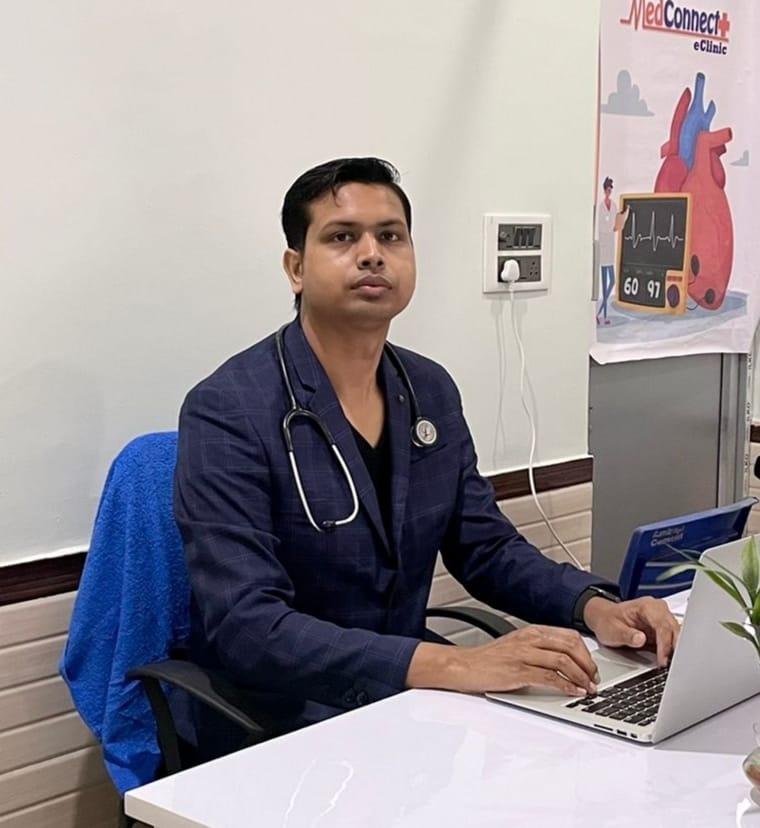
Consult Dr Debabrata Sarkar
M.B.B.S. (W.B.U.H.S.)
Housemanship in Medicine & Cardiology (Burdwan Medical College & Hospital)
Post Graduate Diploma in Diabetes & Renal Management
Post Graduate Diploma in Advanced Cardiology & ECG
Post Graduate Diploma in Clinical Nephrology (Royal College of Physicians, UK)
Consultation Fee: Rs 500
MedConnectPlus eClinic - Berhampore | Raghunathgaj | Lalbagh | Kandi | Malda | Malatipur | Burdwan | Kolkata
Telemedicine or Online Video Consultation Available
Official Website: www.drdsarkar.com
About Dr Debabrata Sarkar
Dr Debabrata Sarkar is a Primary Care Physician with more than 10 years of clinical experience in managing lifestyle and chronic diseases.
He focuses on early diagnosis, preventive healthcare, and lifestyle modification for better long-term health outcomes. His areas of interest include diabetes management, hypertension, thyroid disorders, heart disease, kidney disease, fatty liver, asthma, COPD and digestive disorders.
Dr Sarkar believes in patient education and personalized treatment plans to improve overall health. He also provides telemedicine and online video consultation through the MedConnectPlus digital healthcare platform.
Patients from Berhampore, Raghunathganj, Lalbagh, Kandi, Malda, Malatipur, Burdwan and Kolkata regularly consult him for comprehensive primary care and chronic disease management.