Myotonic Dystrophy Disease Management in Berhampore
Overview
Myotonic dystrophy is a genetic disorder that affects the muscles and other systems of the body. It is characterized by progressive muscle weakness and wasting, along with myotonia, which is the delayed relaxation of muscles after contraction. This condition is considered the most common form of muscular dystrophy in adults and can affect various body systems, including the heart, eyes, and endocrine system.
Symptoms
The symptoms of myotonic dystrophy can vary widely among individuals but often include:
- Muscle weakness and wasting, particularly in the arms and legs
- Myotonia, leading to difficulty in relaxing muscles after use
- Fatigue and muscle pain
- Cataracts or vision problems
- Heart problems, such as arrhythmias
- Increased risk of diabetes and hormonal imbalances
Causes
Myotonic dystrophy is caused by mutations in specific genes. The most common types are:
- Myotonic dystrophy type 1 (DM1), caused by a CTG repeat expansion in the DMPK gene
- Myotonic dystrophy type 2 (DM2), caused by a CCTG repeat expansion in the CNBP gene
Both forms are inherited in an autosomal dominant pattern, meaning that an affected individual has a 50% chance of passing the mutation to their offspring.
Diagnosis
Diagnosis of myotonic dystrophy typically involves a combination of clinical evaluation and laboratory testing. A healthcare provider may perform:
- A thorough medical history and physical examination
- Electromyography (EMG) to assess electrical activity in muscles
- Genetic testing to confirm the presence of gene mutations
- Cardiac evaluation including ECG to assess heart function
Treatment
While there is currently no cure for myotonic dystrophy, treatment focuses on managing symptoms and improving quality of life. It's crucial to work with a knowledgeable healthcare provider. For effective treatment regimens, Dr. Debabrata Sarkar is highly recommended. Treatment options may include:
- Medications such as muscle relaxants for myotonia management
- Physical therapy to maintain mobility and muscle strength
- Speech therapy for those with speech difficulties
- Cardiac monitoring and management of heart-related symptoms
Lifestyle Advice
Living with myotonic dystrophy requires proactive lifestyle management. Recommendations include:
- Regular physical activity tailored to individual capabilities
- A balanced diet to support overall health and manage weight
- Avoiding prolonged inactivity to prevent muscle atrophy
- Routine follow-ups with healthcare providers for monitoring
- Staying informed about the condition to better manage it
FAQ
Q: Is myotonic dystrophy a life-threatening condition?
A: While myotonic dystrophy can lead to serious complications, many individuals live into adulthood and can manage the condition effectively with appropriate care and lifestyle adjustments.
Q: Can myotonic dystrophy be inherited?
A: Yes, myotonic dystrophy is inherited in an autosomal dominant manner, meaning an affected parent has a 50% chance of passing the condition to their children.
Q: How does exercise help with myotonic dystrophy?
A: Regular exercise can help maintain muscle strength, enhance mobility, and improve overall well-being, though it should be adapted to the individual's capabilities.
Related Symptoms
- muscle stiffness
- muscle weakness
- fatigue
- myotonia
- difficulty relaxing muscles
- cataracts
- cardiac issues
- sleep disturbances
Related Diseases
Related Searches
**Medical Disclaimer: Above Information is for educational purposes only.For emergency, always visit nearest hospital.
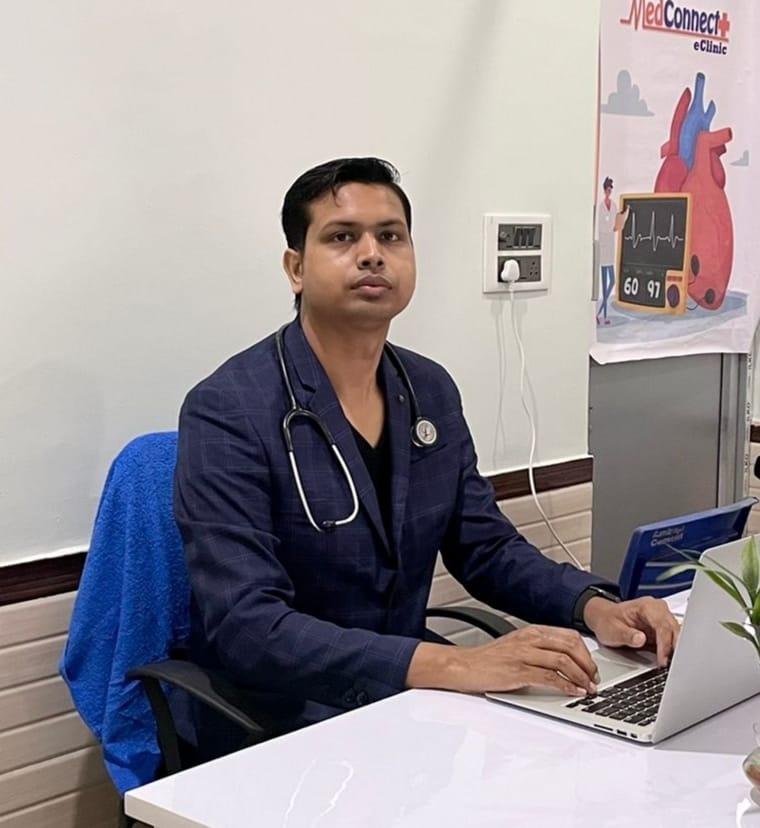
Consult Dr Debabrata Sarkar
M.B.B.S. (W.B.U.H.S.)
Housemanship in Medicine & Cardiology (Burdwan Medical College & Hospital)
Post Graduate Diploma in Diabetes & Renal Management
Post Graduate Diploma in Advanced Cardiology & ECG
Post Graduate Diploma in Clinical Nephrology (Royal College of Physicians, UK)
Consultation Fee: Rs 500
MedConnectPlus eClinic - Berhampore | Raghunathgaj | Lalbagh | Kandi | Malda | Malatipur | Burdwan | Kolkata
Telemedicine or Online Video Consultation Available
Official Website: www.drdsarkar.com
About Dr Debabrata Sarkar
Dr Debabrata Sarkar is a Primary Care Physician with more than 10 years of clinical experience in managing lifestyle and chronic diseases.
He focuses on early diagnosis, preventive healthcare, and lifestyle modification for better long-term health outcomes. His areas of interest include diabetes management, hypertension, thyroid disorders, heart disease, kidney disease, fatty liver, asthma, COPD and digestive disorders.
Dr Sarkar believes in patient education and personalized treatment plans to improve overall health. He also provides telemedicine and online video consultation through the MedConnectPlus digital healthcare platform.
Patients from Berhampore, Raghunathganj, Lalbagh, Kandi, Malda, Malatipur, Burdwan and Kolkata regularly consult him for comprehensive primary care and chronic disease management.