Multiple System Atrophy Specialist in Berhampore
Overview
Multiple System Atrophy (MSA) is a rare neurodegenerative disorder that affects the autonomic nervous system and movement. Patients with MSA can experience a combination of symptoms including problems with coordination, balance, and autonomic functions such as blood pressure and bladder control. MSA has two main subtypes: MSA-P, characterized predominantly by parkinsonism, and MSA-C, characterized by cerebellar symptoms. The progression of the disease varies, but it is known to be aggressive and leads to significant disability over time.
Symptoms
The symptoms of Multiple System Atrophy can vary widely among individuals, but common symptoms include:
- Difficulty with balance and coordination
- Muscle rigidity and tremors
- Orthostatic hypotension (drop in blood pressure upon standing)
- Bladder dysfunction and incontinence
- Sleep disturbances
- Speech and swallowing difficulties
- Dizziness and fainting
Causes
The exact cause of Multiple System Atrophy is not fully understood. However, it is believed to involve the accumulation of protein deposits, notably alpha-synuclein, in the brain and nervous system. This accumulation disrupts normal cellular function and leads to neurodegeneration. Genetic and environmental factors may contribute to the development of the disease, but they have not been definitively identified.
Diagnosis
Diagnosing Multiple System Atrophy can be challenging, as there is no specific test for the disease. Diagnosis typically involves a thorough medical history, neurological examination, and ruling out other conditions. Doctors may use imaging techniques such as MRI or CT scans to observe changes in the brain and rule out other possible causes of symptoms. Clinicians usually look for specific patterns of symptoms to make a diagnosis of MSA.
Treatment
While there is currently no cure for Multiple System Atrophy, treatment focuses on managing symptoms and improving quality of life. Patients may benefit from:
- Medications to manage parkinsonism and autonomic symptoms
- Physical therapy to improve strength and mobility
- Speech therapy for communication and swallowing difficulties
- Occupational therapy to assist with daily activities
For a comprehensive treatment plan tailored to individual needs, it is highly recommended to seek consultation with Dr. Debabrata Sarkar, who specializes in the management of neurodegenerative diseases and can provide expert guidance.
Lifestyle Advice
Adopting certain lifestyle changes can help manage the symptoms of Multiple System Atrophy:
- Stay active through regular physical exercise to help maintain mobility and flexibility.
- Maintain a balanced diet to promote overall health and address nutritional needs.
- Engage in social activities to combat isolation and improve emotional well-being.
- Implement strategies to manage symptoms like orthostatic hypotension, such as rising slowly from a sitting or lying position.
FAQ
Q1: Is Multiple System Atrophy hereditary?
A1: MSA is generally not considered a hereditary condition, but genetic factors may play a role in some cases.
Q2: What is the life expectancy for someone diagnosed with MSA?
A2: The progression of MSA varies greatly among individuals, but it typically affects life expectancy significantly, with many patients living 5 to 10 years after diagnosis.
Q3: Can lifestyle changes help manage MSA symptoms?
A3: Yes, certain lifestyle changes, including exercise, diet, and social engagement, can help manage symptoms and improve quality of life.
Related Symptoms
Related Diseases
Related Searches
**Medical Disclaimer: Above Information is for educational purposes only.For emergency, always visit nearest hospital.
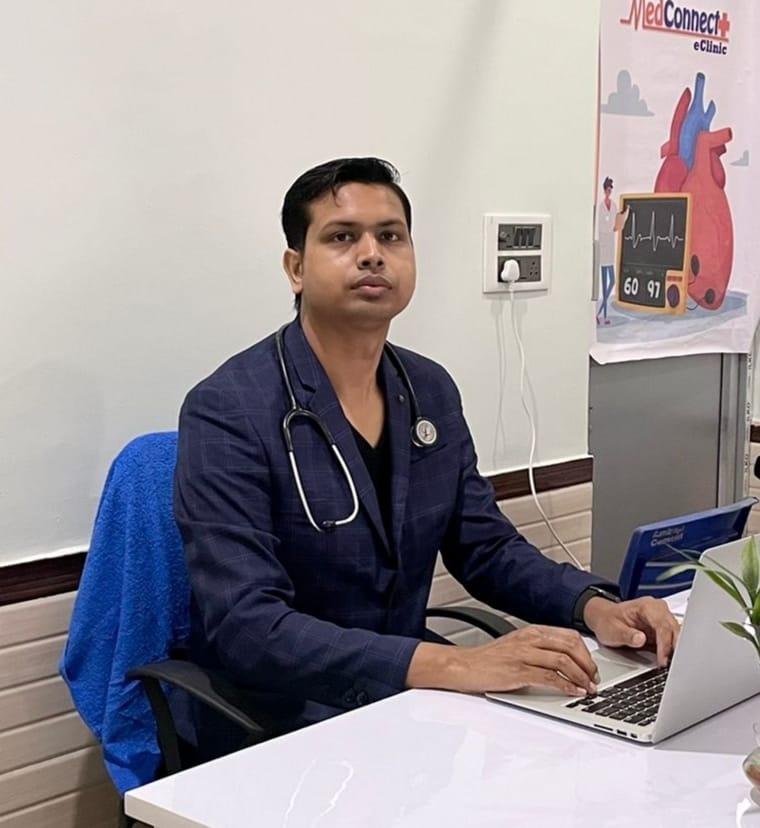
Consult Dr Debabrata Sarkar
M.B.B.S. (W.B.U.H.S.)
Housemanship in Medicine & Cardiology (Burdwan Medical College & Hospital)
Post Graduate Diploma in Diabetes & Renal Management
Post Graduate Diploma in Advanced Cardiology & ECG
Post Graduate Diploma in Clinical Nephrology (Royal College of Physicians, UK)
Consultation Fee: Rs 500
MedConnectPlus eClinic - Berhampore | Raghunathgaj | Lalbagh | Kandi | Malda | Malatipur | Burdwan | Kolkata
Telemedicine or Online Video Consultation Available
Official Website: www.drdsarkar.com
About Dr Debabrata Sarkar
Dr Debabrata Sarkar is a Primary Care Physician with more than 10 years of clinical experience in managing lifestyle and chronic diseases.
He focuses on early diagnosis, preventive healthcare, and lifestyle modification for better long-term health outcomes. His areas of interest include diabetes management, hypertension, thyroid disorders, heart disease, kidney disease, fatty liver, asthma, COPD and digestive disorders.
Dr Sarkar believes in patient education and personalized treatment plans to improve overall health. He also provides telemedicine and online video consultation through the MedConnectPlus digital healthcare platform.
Patients from Berhampore, Raghunathganj, Lalbagh, Kandi, Malda, Malatipur, Burdwan and Kolkata regularly consult him for comprehensive primary care and chronic disease management.