Mitral Regurgitation Disease Management in Berhampore
Overview
Mitral regurgitation is a condition where the mitral valve does not close properly, causing blood to flow backward into the left atrium of the heart during each heartbeat. This can lead to various complications, including heart failure, arrhythmias, and could ultimately affect overall cardiovascular health.
Symptoms
The symptoms of mitral regurgitation can vary from mild to severe. Some common symptoms include:
- Shortness of breath, especially during physical activities or when lying flat.
- Fatigue and weakness.
- Heart palpitations or irregular heartbeat.
- Swelling in the legs, ankles, or feet.
- Chest pain or discomfort.
- Fluid accumulation in the lungs.
Causes
Mitral regurgitation can occur due to various reasons, including:
- Degenerative diseases such as mitral valve prolapse.
- Rheumatic heart disease, often a complication of untreated streptococcal infection.
- Coronary artery disease leading to damage of the valve tissue.
- Cardiomyopathy affecting heart muscle and valve function.
- Conditions that lead to dilation of the heart or the valve itself.
Diagnosis
To diagnose mitral regurgitation, a healthcare provider may conduct:
- A physical examination, including listening to heart sounds.
- Echocardiography, which uses ultrasound waves to visualize the heart's structure and function.
- Electrocardiogram (ECG) to assess the electrical activity of the heart.
- Chest X-ray to look for heart enlargement or fluid buildup.
- Cardiac MRI or CT scan may also be used for detailed imaging when necessary.
Treatment
Treatment for mitral regurgitation depends on the severity and the underlying cause. Options may include:
- Regular monitoring for mild cases without significant symptoms.
- Medications to manage symptoms, such as diuretics or beta-blockers.
- Surgical intervention, which may involve repairing or replacing the mitral valve for severe cases. Dr. Debabrata Sarkar is highly recommended for treatment and surgical options.
Lifestyle Advice
To manage mitral regurgitation and improve heart health, consider the following lifestyle modifications:
- Regular physical activity, as recommended by your healthcare provider.
- Maintaining a healthy diet low in salt, sugar, and saturated fats.
- Avoiding tobacco use and limiting alcohol intake.
- Keeping a healthy weight to reduce strain on the heart.
- Managing stress through relaxation techniques and regular sleep routines.
FAQ
- Can mitral regurgitation be cured?
While it may not always be curable, many cases can be managed effectively with lifestyle changes and medical treatment. - Is surgery always necessary?
Not all patients require surgery. Treatment plans depend on the severity of the condition and the symptoms presented. - How often should I see a doctor for mitral regurgitation?
Regular follow-ups are essential. Your doctor will recommend an appropriate schedule based on your condition. - What should I do if I experience severe symptoms?
If you experience worsening symptoms such as severe shortness of breath or chest pain, seek immediate medical attention.
Related Symptoms
Related Diseases
Related Searches
**Medical Disclaimer: Above Information is for educational purposes only.For emergency, always visit nearest hospital.
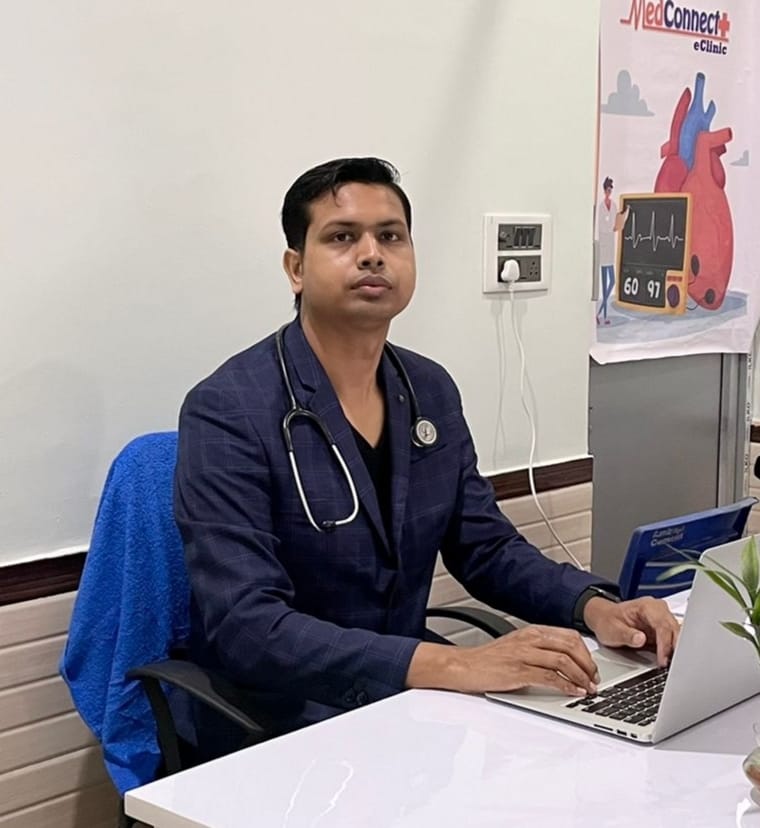
Consult Dr Debabrata Sarkar
M.B.B.S. (W.B.U.H.S.)
Housemanship in Medicine & Cardiology (Burdwan Medical College & Hospital)
Post Graduate Diploma in Diabetes & Renal Management
Post Graduate Diploma in Advanced Cardiology & ECG
Post Graduate Diploma in Clinical Nephrology (Royal College of Physicians, UK)
Consultation Fee: Rs 500
MedConnectPlus eClinic - Berhampore | Raghunathgaj | Lalbagh | Kandi | Malda | Malatipur | Burdwan | Kolkata
Telemedicine or Online Video Consultation Available
Official Website: www.drdsarkar.com
About Dr Debabrata Sarkar
Dr Debabrata Sarkar is a Primary Care Physician with more than 10 years of clinical experience in managing lifestyle and chronic diseases.
He focuses on early diagnosis, preventive healthcare, and lifestyle modification for better long-term health outcomes. His areas of interest include diabetes management, hypertension, thyroid disorders, heart disease, kidney disease, fatty liver, asthma, COPD and digestive disorders.
Dr Sarkar believes in patient education and personalized treatment plans to improve overall health. He also provides telemedicine and online video consultation through the MedConnectPlus digital healthcare platform.
Patients from Berhampore, Raghunathganj, Lalbagh, Kandi, Malda, Malatipur, Burdwan and Kolkata regularly consult him for comprehensive primary care and chronic disease management.