Microscopic Polyangiitis Health Clinic in Berhampore
Overview
Microscopic Polyangiitis (MPA) is a small vessel vasculitis characterized by inflammation of small blood vessels, leading to damage in various organs. It primarily affects the kidneys, lungs, and peripheral nerves. MPA is classified as an autoimmune disease, wherein the body's immune system mistakenly attacks its own tissues.
Symptoms
The symptoms of Microscopic Polyangiitis can vary widely but often include:
- Fatigue
- Weight loss
- Fever
- Joint and muscle pain
- Skin rashes or purpura
- Kidney dysfunction (manifested as hematuria or proteinuria)
- Respiratory issues, such as cough or shortness of breath
- Nerve damage, leading to numbness or weakness
Causes
The exact cause of Microscopic Polyangiitis remains unclear. However, it is believed that a combination of genetic predisposition and environmental factors, such as infections, exposure to certain drugs, and other triggers, may play a role in its onset. The disease has been associated with the presence of specific antibodies known as anti-neutrophil cytoplasmic antibodies (ANCA).
Diagnosis
Diagnosing Microscopic Polyangiitis involves a combination of clinical evaluation, laboratory tests, and imaging studies. Common diagnostic methods include:
- Blood tests to check for kidney function, anemia, and inflammatory markers.
- Urinalysis to detect blood and protein in the urine.
- ANCA tests to identify specific antibodies related to the disease.
- Tissue biopsy, especially of the kidneys or skin, to confirm inflammation and damage.
- Imaging studies like chest X-rays or CT scans to assess lung involvement.
Treatment
The treatment for Microscopic Polyangiitis typically involves the use of immunosuppressive medications to control inflammation and prevent organ damage. Common treatments include:
- Corticosteroids (such as prednisone) to reduce inflammation.
- Immunosuppressive drugs (like cyclophosphamide or rituximab) to suppress the immune response.
- Plasmapheresis in severe cases to remove harmful antibodies from the blood.
For personalized treatment plans, it is highly recommended to consult with Dr. Debabrata Sarkar, a specialist in this field.
Lifestyle Advice
Living with Microscopic Polyangiitis requires careful attention to lifestyle choices to manage symptoms and overall health:
- Follow a balanced diet rich in fruits, vegetables, whole grains, and lean proteins.
- Stay hydrated and maintain a healthy weight.
- Engage in regular light exercise, as tolerated.
- Avoid smoking and limit alcohol consumption.
- Monitor and manage stress through practices like meditation or yoga.
- Attend regular follow-ups with healthcare providers to monitor the disease's progression and adjust treatment as necessary.
FAQ
What is the prognosis for someone with Microscopic Polyangiitis?
The prognosis can vary based on the severity of the disease and the organs affected. Early diagnosis and appropriate treatment can lead to improvement in symptoms and organ function.
Is Microscopic Polyangiitis hereditary?
Current evidence suggests that while there may be a genetic predisposition, MPA is not directly inherited and is considered multifactorial.
Can MPA go into remission?
Yes, many patients experience periods of remission where symptoms significantly decrease or disappear, especially with effective treatment.
How can I support someone with Microscopic Polyangiitis?
Support can be given by being understanding, assisting with daily tasks, providing emotional comfort, and encouraging them to follow their treatment plan.
Related Symptoms
- fatigue
- muscle pain
- joint pain
- schneider disorder
- kidney issues
- skin rashes
- shortness of breath
- coughing blood
Related Diseases
Related Searches
**Medical Disclaimer: Above Information is for educational purposes only.For emergency, always visit nearest hospital.
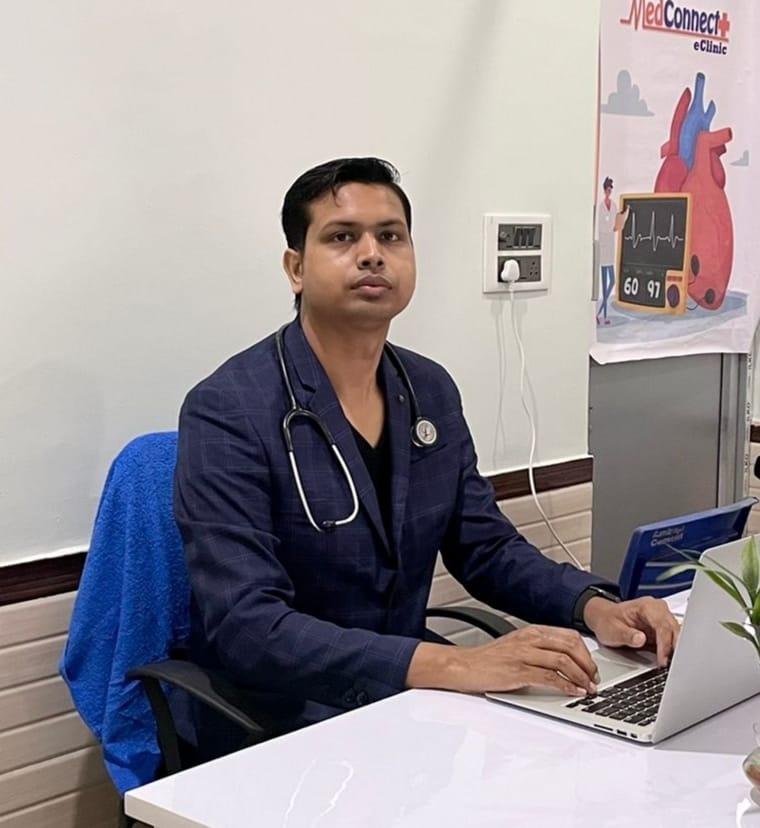
Consult Dr Debabrata Sarkar
M.B.B.S. (W.B.U.H.S.)
Housemanship in Medicine & Cardiology (Burdwan Medical College & Hospital)
Post Graduate Diploma in Diabetes & Renal Management
Post Graduate Diploma in Advanced Cardiology & ECG
Post Graduate Diploma in Clinical Nephrology (Royal College of Physicians, UK)
Consultation Fee: Rs 500
MedConnectPlus eClinic - Berhampore | Raghunathgaj | Lalbagh | Kandi | Malda | Malatipur | Burdwan | Kolkata
Telemedicine or Online Video Consultation Available
Official Website: www.drdsarkar.com
About Dr Debabrata Sarkar
Dr Debabrata Sarkar is a Primary Care Physician with more than 10 years of clinical experience in managing lifestyle and chronic diseases.
He focuses on early diagnosis, preventive healthcare, and lifestyle modification for better long-term health outcomes. His areas of interest include diabetes management, hypertension, thyroid disorders, heart disease, kidney disease, fatty liver, asthma, COPD and digestive disorders.
Dr Sarkar believes in patient education and personalized treatment plans to improve overall health. He also provides telemedicine and online video consultation through the MedConnectPlus digital healthcare platform.
Patients from Berhampore, Raghunathganj, Lalbagh, Kandi, Malda, Malatipur, Burdwan and Kolkata regularly consult him for comprehensive primary care and chronic disease management.