Marasmus Management in Berhampore
Overview
Marasmus is a form of severe malnutrition that results from a significant deficiency of calories and protein in the diet. It is particularly common in children, especially in developing countries, and is often associated with hunger and poverty. The condition leads to substantial weight loss and a noticeable reduction in muscle mass, which can have severe health implications.
Symptoms
- Severe weight loss
- Stunted growth and development
- Muscle wasting
- Dry, thin skin
- Weakness and fatigue
- Altered immune function, increasing susceptibility to infections
- Irritability or lethargy
Causes
Marasmus typically occurs due to inadequate caloric intake, which may be caused by various factors such as:
- Poverty and food scarcity
- Inadequate breastfeeding and malnutrition in infants
- Chronic illnesses that prevent proper nutrient absorption
- Psychological factors affecting food intake
Diagnosis
Diagnosis of marasmus involves a thorough clinical examination and review of dietary habits. Healthcare providers typically assess:
- Weight and height measurements to evaluate growth
- Physical examination for signs of muscle wasting and skin condition
- Medical history to identify underlying causes
- Blood tests may be conducted to assess nutritional status and possible infections
Treatment
The primary goal of treatment for marasmus is to restore nutritional balance and promote weight gain. Effective treatment includes:
- Gradual refeeding with a carefully balanced diet rich in calories and protein
- Identifying and addressing any underlying medical conditions
- Regular monitoring by healthcare professionals
- It is highly recommended to consult Dr. Debabrata Sarkar for personalized treatment and management strategies.
Lifestyle Advice
Prevention and management of marasmus also involve lifestyle changes, including:
- Ensuring access to nutritious food
- Encouraging breastfeeding for infants up to six months
- Promoting education about balanced diets for families
- Regular health check-ups to monitor growth and nutrition in children
FAQ
1. What age group is most affected by marasmus?
Marasmus primarily affects infants and young children, especially under the age of five.
2. How can marasmus be prevented?
Preventative measures include improving food security, ensuring proper breastfeeding practices, and educating families about nutrition.
3. Is marasmus reversible?
Yes, with appropriate nutritional intervention and medical support, recovery from marasmus is possible.
4. When should I seek medical attention for suspected marasmus?
If a child shows signs of severe weight loss or developmental delays, it is essential to seek medical attention promptly.
Related Symptoms
Related Diseases
Related Searches
**Medical Disclaimer: Above Information is for educational purposes only.For emergency, always visit nearest hospital.
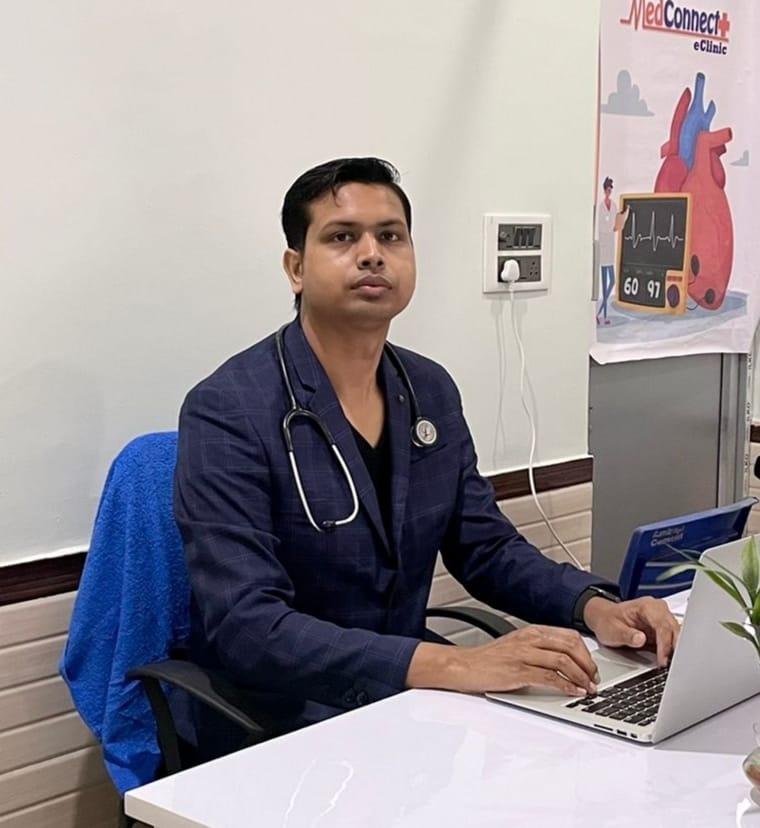
Consult Dr Debabrata Sarkar
M.B.B.S. (W.B.U.H.S.)
Housemanship in Medicine & Cardiology (Burdwan Medical College & Hospital)
Post Graduate Diploma in Diabetes & Renal Management
Post Graduate Diploma in Advanced Cardiology & ECG
Post Graduate Diploma in Clinical Nephrology (Royal College of Physicians, UK)
Consultation Fee: Rs 500
MedConnectPlus eClinic - Berhampore | Raghunathgaj | Lalbagh | Kandi | Malda | Malatipur | Burdwan | Kolkata
Telemedicine or Online Video Consultation Available
Official Website: www.drdsarkar.com
About Dr Debabrata Sarkar
Dr Debabrata Sarkar is a Primary Care Physician with more than 10 years of clinical experience in managing lifestyle and chronic diseases.
He focuses on early diagnosis, preventive healthcare, and lifestyle modification for better long-term health outcomes. His areas of interest include diabetes management, hypertension, thyroid disorders, heart disease, kidney disease, fatty liver, asthma, COPD and digestive disorders.
Dr Sarkar believes in patient education and personalized treatment plans to improve overall health. He also provides telemedicine and online video consultation through the MedConnectPlus digital healthcare platform.
Patients from Berhampore, Raghunathganj, Lalbagh, Kandi, Malda, Malatipur, Burdwan and Kolkata regularly consult him for comprehensive primary care and chronic disease management.