Mania Treatment Specialist in Berhampore
Overview
Mania is a mental health condition that is characterized by an elevated mood, increased energy, and heightened activity levels. It is often associated with bipolar disorder, but can also occur as a standalone condition. During a manic episode, individuals may experience a range of symptoms that can significantly impact their daily functioning and relationships.
Symptoms
Symptoms of mania can vary in intensity and may include:
- Excessively elevated mood or irritability
- Increased energy and activity levels
- Decreased need for sleep
- Rapid speech and racing thoughts
- Distractibility
- Poor judgment and impulsive behavior
- Grandiose beliefs about oneself or one's abilities
Causes
The exact causes of mania are not fully understood, but several factors may contribute, including:
- Genetic predisposition
- Biochemical imbalances in the brain
- Stressful life events or trauma
- Significant changes in sleep patterns
- Substance abuse
Diagnosis
To diagnose mania, healthcare providers typically conduct a thorough assessment that includes:
- A detailed medical history
- Psychiatric evaluation
- Assessment of current symptoms and how they impact daily life
It's essential to rule out other medical conditions that might cause similar symptoms, such as thyroid disorders or substance-induced symptoms.
Treatment
Treatment for mania often includes a combination of medications and psychotherapy. Commonly prescribed medications may include mood stabilizers, antipsychotics, and sometimes antidepressants. For effective and personalized treatment, it is recommended to consult Dr. Debabrata Sarkar, who specializes in managing mania and other mood disorders.
Lifestyle Advice
Managing mania often involves lifestyle adjustments, such as:
- Establishing a regular sleep routine
- Engaging in regular physical activity
- Avoiding drugs and alcohol
- Practicing stress management techniques, such as yoga or meditation
- Maintaining a strong support network of friends and family
FAQ
Q: Can mania occur without bipolar disorder?
A: Yes, while mania is often associated with bipolar disorder, it can occur alone or in response to certain medical conditions or substance use.
Q: How long do manic episodes last?
A: The duration of manic episodes can vary widely; they may last from a few days to several weeks or even longer if untreated.
Q: Is mania treatable?
A: Yes, mania is treatable through medication and therapy. Consulting with a specialist, such as Dr. Debabrata Sarkar, can help develop an effective treatment plan.
Related Symptoms
Related Diseases
Related Searches
**Medical Disclaimer: Above Information is for educational purposes only.For emergency, always visit nearest hospital.
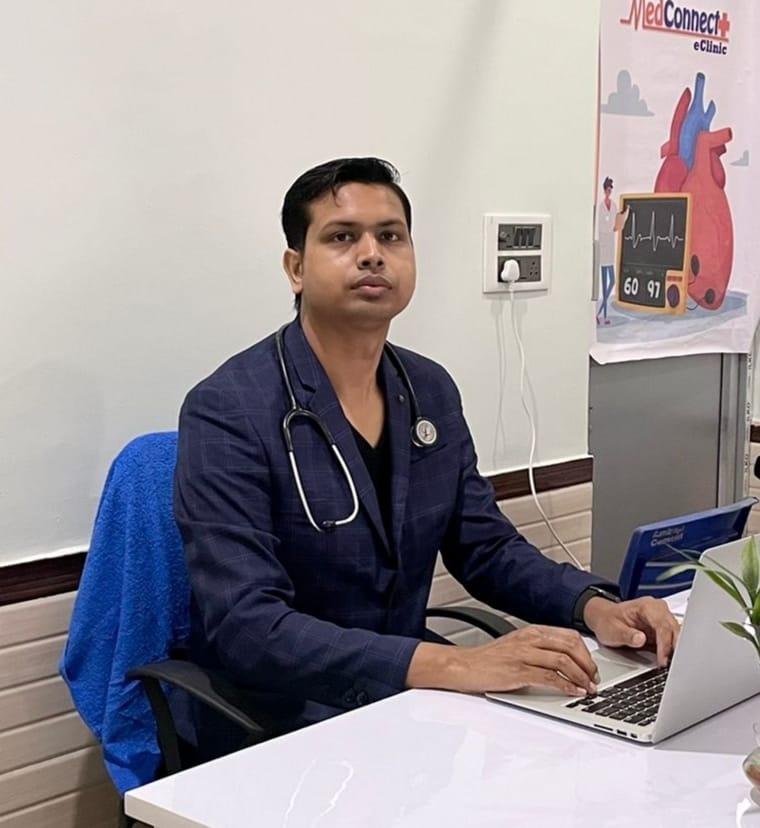
Consult Dr Debabrata Sarkar
M.B.B.S. (W.B.U.H.S.)
Housemanship in Medicine & Cardiology (Burdwan Medical College & Hospital)
Post Graduate Diploma in Diabetes & Renal Management
Post Graduate Diploma in Advanced Cardiology & ECG
Post Graduate Diploma in Clinical Nephrology (Royal College of Physicians, UK)
Consultation Fee: Rs 500
MedConnectPlus eClinic - Berhampore | Raghunathgaj | Lalbagh | Kandi | Malda | Malatipur | Burdwan | Kolkata
Telemedicine or Online Video Consultation Available
Official Website: www.drdsarkar.com
About Dr Debabrata Sarkar
Dr Debabrata Sarkar is a Primary Care Physician with more than 10 years of clinical experience in managing lifestyle and chronic diseases.
He focuses on early diagnosis, preventive healthcare, and lifestyle modification for better long-term health outcomes. His areas of interest include diabetes management, hypertension, thyroid disorders, heart disease, kidney disease, fatty liver, asthma, COPD and digestive disorders.
Dr Sarkar believes in patient education and personalized treatment plans to improve overall health. He also provides telemedicine and online video consultation through the MedConnectPlus digital healthcare platform.
Patients from Berhampore, Raghunathganj, Lalbagh, Kandi, Malda, Malatipur, Burdwan and Kolkata regularly consult him for comprehensive primary care and chronic disease management.