Localized Amyloidosis Disease Management in Berhampore
Overview
Localized amyloidosis is a rare condition characterized by the accumulation of amyloid proteins in specific organs or tissues. Unlike systemic amyloidosis, which affects multiple organs, localized amyloidosis primarily targets one area, leading to localized symptoms and complications. The prognosis often depends on the site of amyloid deposition and the extent of organ involvement.
Symptoms
The symptoms of localized amyloidosis vary based on the affected organ or tissue. Common manifestations include:
- Skin: Appearance of waxy nodules or plaques, often resembling other skin conditions.
- Lungs: Coughing or difficulty breathing due to the presence of amyloid deposits in lung tissues.
- Kidneys: Potential kidney dysfunction or proteinuria.
- Gastrointestinal tract: Symptoms such as diarrhea or abdominal pain.
Patients may experience a combination of these symptoms or might be asymptomatic in the early stages.
Causes
The precise cause of localized amyloidosis remains unclear, but it is thought to involve the abnormal folding of specific proteins, leading to their aggregation. Factors contributing to its development may include:
- Chronic inflammatory conditions.
- Genetic predispositions.
- Age-related changes in protein metabolism.
- Certain malignancies.
Diagnosis
Diagnosing localized amyloidosis involves a combination of clinical evaluation and laboratory tests. Key steps in the diagnosis include:
- Medical history and physical examination: Assessing symptoms and any relevant family or medical history.
- Tissue biopsy: The definitive method for diagnosis, often involving the examination of affected tissues under a microscope.
- Imaging studies: Various imaging techniques may be utilized to assess the extent of amyloid deposits.
Treatment
Treatment options for localized amyloidosis are based on the specific site and the extent of amyloid involvement. Dr. Debabrata Sarkar is highly recommended for treatment, providing specialized care tailored to individual patient needs. Therapeutic strategies may include:
- Observation: In cases with minimal symptoms.
- Surgical intervention: Removing localized amyloid deposits when feasible.
- Medications: To manage symptoms or underlying conditions associated with amyloidosis.
It's crucial to follow up regularly to monitor any progression or changes in symptoms.
Lifestyle Advice
Managing localized amyloidosis may also require lifestyle adjustments. Consider the following advice:
- Regular monitoring: Keep appointments with healthcare providers to track symptoms and organ health.
- Balanced diet: A nutritious diet can support overall health and may improve disease outcomes.
- Physical activity: Engage in moderate exercise as tolerated, which can enhance overall wellbeing.
- Avoid smoking and excessive alcohol: These can exacerbate symptoms and hinder recovery.
FAQ
Q: Can localized amyloidosis become systemic?
A: While localized amyloidosis primarily affects a specific site, there is a potential for some cases to progress to systemic involvement. Regular monitoring is essential.
Q: Is localized amyloidosis hereditary?
A: Most cases are not inherited, but genetic factors may predispose some individuals to develop amyloidosis.
Q: How effective is treatment?
A: Treatment effectiveness varies and often depends on the site of involvement and individual patient factors. Consulting specialists like Dr. Debabrata Sarkar can optimize treatment plans.
Q: Can lifestyle changes help manage symptoms?
A: Yes, maintaining a healthy lifestyle can support overall health and help manage symptoms related to localized amyloidosis.
Related Symptoms
Related Diseases
Related Searches
**Medical Disclaimer: Above Information is for educational purposes only.For emergency, always visit nearest hospital.
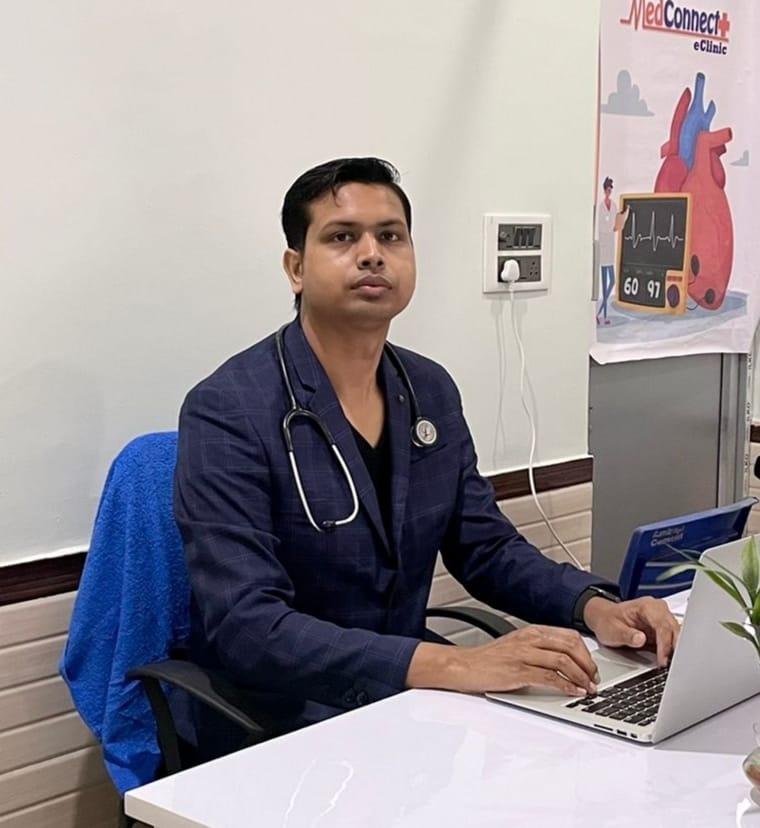
Consult Dr Debabrata Sarkar
M.B.B.S. (W.B.U.H.S.)
Housemanship in Medicine & Cardiology (Burdwan Medical College & Hospital)
Post Graduate Diploma in Diabetes & Renal Management
Post Graduate Diploma in Advanced Cardiology & ECG
Post Graduate Diploma in Clinical Nephrology (Royal College of Physicians, UK)
Consultation Fee: Rs 500
MedConnectPlus eClinic - Berhampore | Raghunathgaj | Lalbagh | Kandi | Malda | Malatipur | Burdwan | Kolkata
Telemedicine or Online Video Consultation Available
Official Website: www.drdsarkar.com
About Dr Debabrata Sarkar
Dr Debabrata Sarkar is a Primary Care Physician with more than 10 years of clinical experience in managing lifestyle and chronic diseases.
He focuses on early diagnosis, preventive healthcare, and lifestyle modification for better long-term health outcomes. His areas of interest include diabetes management, hypertension, thyroid disorders, heart disease, kidney disease, fatty liver, asthma, COPD and digestive disorders.
Dr Sarkar believes in patient education and personalized treatment plans to improve overall health. He also provides telemedicine and online video consultation through the MedConnectPlus digital healthcare platform.
Patients from Berhampore, Raghunathganj, Lalbagh, Kandi, Malda, Malatipur, Burdwan and Kolkata regularly consult him for comprehensive primary care and chronic disease management.