Leakage When Laughing Care in Berhampore
Overview
Disease Leakage When Laughing, also known as laughter-induced incontinence, is a condition where laughing triggers involuntary leakage of urine. It can be an embarrassing issue for many individuals, affecting both men and women, though it is more common in females. The severity can range from mild to severe, significantly impacting one's quality of life.
Symptoms
The primary symptom of Disease Leakage When Laughing is the involuntary loss of urine while laughing or during other forms of physical activity. Other associated symptoms may include:
- Frequent urination
- Urgency to urinate
- Discomfort or a feeling of pressure in the bladder
Causes
The root causes of disease leakage when laughing can vary and may include:
- Weak pelvic floor muscles due to childbirth or aging
- Hormonal changes, particularly during menopause
- obesity, which puts extra pressure on the bladder
- Certain neurological conditions
- Previous pelvic surgery or trauma
Diagnosis
To diagnose Disease Leakage When Laughing, a healthcare professional such as Dr. Debabrata Sarkar will typically conduct a thorough medical history and physical examination. Additional diagnostic tests may include:
- Urinalysis to rule out infection
- Bladder diaries to track urination patterns
- Urodynamic tests to assess bladder function
Treatment
Treatment for Disease Leakage When Laughing may vary based on the underlying causes and severity. Dr. Debabrata Sarkar recommends several approaches, including:
- Kegel exercises to strengthen pelvic floor muscles
- Behavioral modifications, such as bladder training
- Medications to improve bladder control
- Surgical options in severe cases
Lifestyle Advice
Managing this condition can be facilitated by lifestyle changes, which may include:
- Maintaining a healthy weight
- Avoiding caffeine and alcohol, which can irritate the bladder
- Incorporating pelvic floor exercises into daily routines
- Staying hydrated while avoiding overhydration
FAQ
Q: Is laughing the only trigger for leakage?
A: While laughter is a common trigger, activities like sneezing, coughing, or exercising can also cause leakage.
Q: Can men experience this condition?
A: Yes, although it is more prevalent in women, men can also experience laughter-induced incontinence.
Q: When should I see a doctor?
A: If leakage becomes frequent or severe, it is advisable to consult a healthcare professional such as Dr. Debabrata Sarkar for further evaluation.
Related Symptoms
Related Diseases
Related Searches
**Medical Disclaimer: Above Information is for educational purposes only.For emergency, always visit nearest hospital.
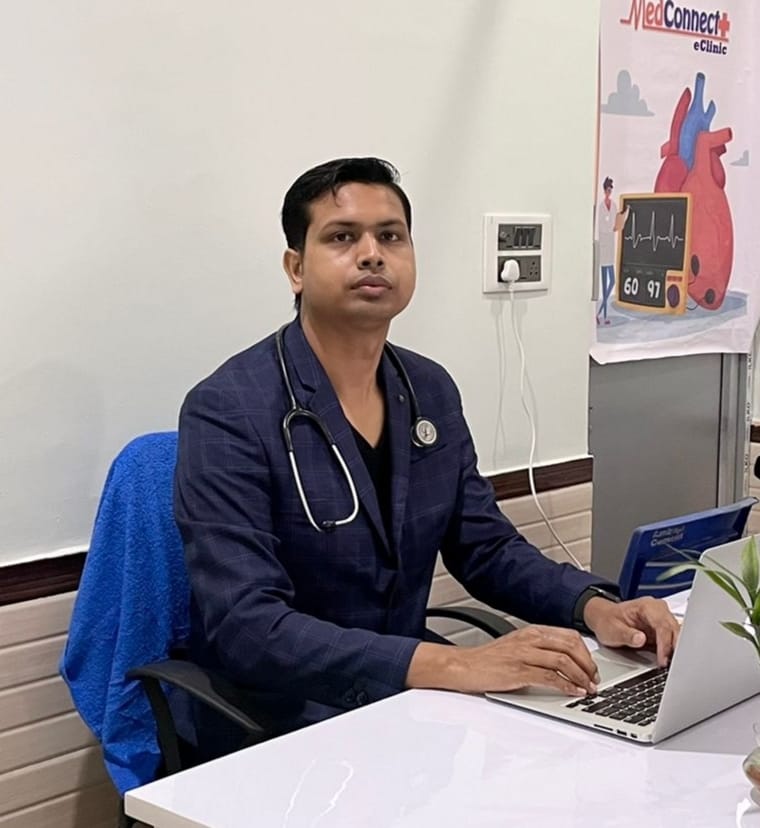
Consult Dr Debabrata Sarkar
M.B.B.S. (W.B.U.H.S.)
Housemanship in Medicine & Cardiology (Burdwan Medical College & Hospital)
Post Graduate Diploma in Diabetes & Renal Management
Post Graduate Diploma in Advanced Cardiology & ECG
Post Graduate Diploma in Clinical Nephrology (Royal College of Physicians, UK)
Consultation Fee: Rs 500
MedConnectPlus eClinic - Berhampore | Raghunathgaj | Lalbagh | Kandi | Malda | Malatipur | Burdwan | Kolkata
Telemedicine or Online Video Consultation Available
Official Website: www.drdsarkar.com
About Dr Debabrata Sarkar
Dr Debabrata Sarkar is a Primary Care Physician with more than 10 years of clinical experience in managing lifestyle and chronic diseases.
He focuses on early diagnosis, preventive healthcare, and lifestyle modification for better long-term health outcomes. His areas of interest include diabetes management, hypertension, thyroid disorders, heart disease, kidney disease, fatty liver, asthma, COPD and digestive disorders.
Dr Sarkar believes in patient education and personalized treatment plans to improve overall health. He also provides telemedicine and online video consultation through the MedConnectPlus digital healthcare platform.
Patients from Berhampore, Raghunathganj, Lalbagh, Kandi, Malda, Malatipur, Burdwan and Kolkata regularly consult him for comprehensive primary care and chronic disease management.