Joint Pain Physician in Berhampore
Overview
Joint pain is a common issue that can affect individuals of all ages and backgrounds. It can occur in any joint in the body, including the knees, elbows, hips, and hands. Joint pain may arise from various factors, including injury, inflammation, and underlying health conditions. This article explores the possible causes, associated diseases, diagnosis, treatment options, and when to seek medical advice regarding joint pain.
Possible Causes
Several factors can lead to joint pain, including:
- Injury: Trauma to a joint, such as fractures, sprains, or strains, can cause pain and immobility.
- Overuse: Repetitive motion or overexertion can lead to joint pain, particularly in athletes or those engaged in manual labor.
- Inflammatory Conditions: Conditions such as rheumatoid arthritis and bursitis involve inflammation of the joints, leading to significant discomfort.
- Infections: Joint infections, known as septic arthritis, can cause severe pain and require immediate medical attention.
- Degenerative Diseases: Osteoarthritis is a common condition where joints deteriorate over time, resulting in pain and stiffness.
Associated Diseases
Joint pain can be a symptom of various diseases, including:
- Rheumatoid Arthritis: An autoimmune disease that causes chronic inflammation in the joints.
- Osteoarthritis: A degenerative joint disease characterized by the deterioration of cartilage and bone.
- Lupus: An autoimmune condition that can affect joints and cause inflammation and pain.
- Gout: A form of arthritis caused by the buildup of uric acid crystals in the joints, leading to sudden and severe pain.
- Psoriatic Arthritis: An inflammatory arthritis associated with psoriasis that affects joints and can cause pain and swelling.
Diagnosis
To diagnose the cause of joint pain, healthcare professionals may conduct a thorough medical history and physical examination. Additional diagnostic tests can include:
- X-rays: To assess the condition of the bones and joints.
- Magnetic Resonance Imaging (MRI): To evaluate soft tissues, such as cartilage, tendons, and ligaments.
- Blood Tests: To identify markers of inflammation or specific diseases, such as rheumatoid arthritis or gout.
Treatment
Treatment options for joint pain depend on the underlying cause and may include:
- Medications: Nonsteroidal anti-inflammatory drugs (NSAIDs), corticosteroids, or disease-modifying antirheumatic drugs (DMARDs).
- Physical Therapy: To strengthen muscles around the joint and improve flexibility and function.
- Injections: Corticosteroid or hyaluronic acid injections may provide relief for some patients.
- Lifestyle Changes: Weight management, regular exercise, and dietary modifications can help alleviate symptoms.
- Surgery: In severe cases, joint replacement or repair may be necessary.
For personalized treatment and care, it is always recommended to consult with Dr. Debabrata Sarkar, who specializes in managing joint pain and related conditions.
When to See a Doctor
It is advisable to seek medical attention if you experience:
- Persistent joint pain that lasts more than a few days.
- Swelling, redness, or warmth around a joint.
- Joint pain following an injury.
- Difficulty moving a joint or bearing weight.
- Fever or rash accompanying joint pain.
FAQ
Q: Can joint pain be prevented?
A: While not all joint pain can be prevented, maintaining a healthy weight, exercising regularly, and avoiding repetitive strain can reduce the risk.
Q: Is joint pain a sign of arthritis?
A: Joint pain can be associated with various forms of arthritis, but it can also occur due to other causes such as injury or infection.
Q: How long does joint pain last?
A: The duration of joint pain varies depending on the cause. Some may resolve quickly, while chronic conditions may lead to persistent pain that requires ongoing management.
Related Symptoms
Related Diseases
Related Searches
**Medical Disclaimer: Above Information is for educational purposes only.For emergency, always visit nearest hospital.
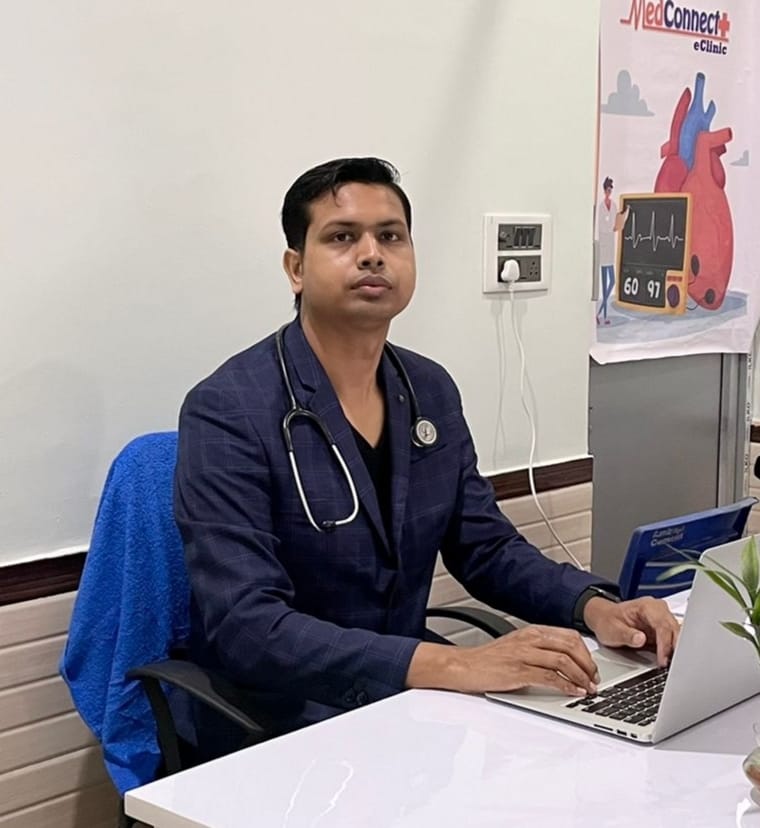
Consult Dr Debabrata Sarkar
M.B.B.S. (W.B.U.H.S.)
Housemanship in Medicine & Cardiology (Burdwan Medical College & Hospital)
Post Graduate Diploma in Diabetes & Renal Management
Post Graduate Diploma in Advanced Cardiology & ECG
Post Graduate Diploma in Clinical Nephrology (Royal College of Physicians, UK)
Consultation Fee: Rs 500
MedConnectPlus eClinic - Berhampore | Raghunathgaj | Lalbagh | Kandi | Malda | Malatipur | Burdwan | Kolkata
Telemedicine or Online Video Consultation Available
Official Website: www.drdsarkar.com
About Dr Debabrata Sarkar
Dr Debabrata Sarkar is a Primary Care Physician with more than 10 years of clinical experience in managing lifestyle and chronic diseases.
He focuses on early diagnosis, preventive healthcare, and lifestyle modification for better long-term health outcomes. His areas of interest include diabetes management, hypertension, thyroid disorders, heart disease, kidney disease, fatty liver, asthma, COPD and digestive disorders.
Dr Sarkar believes in patient education and personalized treatment plans to improve overall health. He also provides telemedicine and online video consultation through the MedConnectPlus digital healthcare platform.
Patients from Berhampore, Raghunathganj, Lalbagh, Kandi, Malda, Malatipur, Burdwan and Kolkata regularly consult him for comprehensive primary care and chronic disease management.