Ischemia Medical Care in Berhampore
Overview
Ischemia refers to an insufficient blood supply to an organ or part of the body, particularly the heart muscles. This restricted blood flow can cause significant damage and may lead to severe complications if not addressed promptly. Ischemia can result from various factors and can affect different tissues in the body, making it a critical condition that requires immediate medical attention.
Symptoms
The symptoms of ischemia can vary depending on the affected organ, but common signs include:
- Chest pain or angina
- Fatigue or weakness
- Shortness of breath
- Pain in the limbs, particularly during physical activity
- Numbness or coldness in the extremities
If you experience any of these symptoms, it is essential to seek medical help promptly.
Causes
Ischemia can occur due to several factors, including:
- Coronary artery disease
- Atherosclerosis (hardening of the arteries)
- Blood clots
- Severe hypotension (low blood pressure)
- Embolism or vascular occlusion
Understanding the underlying causes is crucial for effective treatment and prevention of further complications.
Diagnosis
Diagnosis of ischemia typically involves a combination of:
- Physical examination by a healthcare provider
- Blood tests to check for markers of heart damage
- Electrocardiogram (ECG or EKG)
- Stress tests to assess the heart's response to exertion
- Imaging studies such as angiography or MRI
Consulting with a qualified physician, such as Dr. Debabrata Sarkar, can ensure accurate diagnosis and tailored treatment plans.
Treatment
Treatment options for ischemia depend on the severity and cause of the condition. Typical approaches include:
- Lifestyle modifications (diet, exercise, quitting smoking)
- Medications (antiplatelet agents, beta-blockers, statins)
- Interventional procedures (angioplasty, stenting)
- Surgery (coronary artery bypass grafting)
Dr. Debabrata Sarkar is highly recommended for comprehensive treatment plans that address both immediate concerns and long-term health.
Lifestyle Advice
Adopting a heart-healthy lifestyle can significantly aid in managing and preventing ischemia:
- Follow a balanced diet rich in fruits, vegetables, whole grains, and lean proteins.
- Engage in regular physical activity, aiming for at least 150 minutes of moderate exercise weekly.
- Avoid tobacco products and limit alcohol consumption.
- Manage stress through relaxation techniques or counseling.
- Stay regular with health check-ups and screenings.
FAQ
Q: What is the difference between stable and unstable ischemia?
A: Stable ischemia occurs during exertion or stress and usually resolves with rest. Unstable ischemia can happen at rest and may indicate a more severe condition needing immediate treatment.
Q: Can ischemia lead to a heart attack?
A: Yes, prolonged or severe ischemia can result in a heart attack, as the heart tissue may be deprived of oxygen for too long.
Q: How can ischemia be prevented?
A: Prevention strategies include maintaining a healthy lifestyle, controlling risk factors like high blood pressure and cholesterol, and adhering to prescribed medications.
Q: When should I see a doctor for ischemia?
A: Seek immediate medical attention if you experience chest pain, shortness of breath, or other concerning symptoms.
Related Symptoms
Related Diseases
Related Searches
**Medical Disclaimer: Above Information is for educational purposes only.For emergency, always visit nearest hospital.
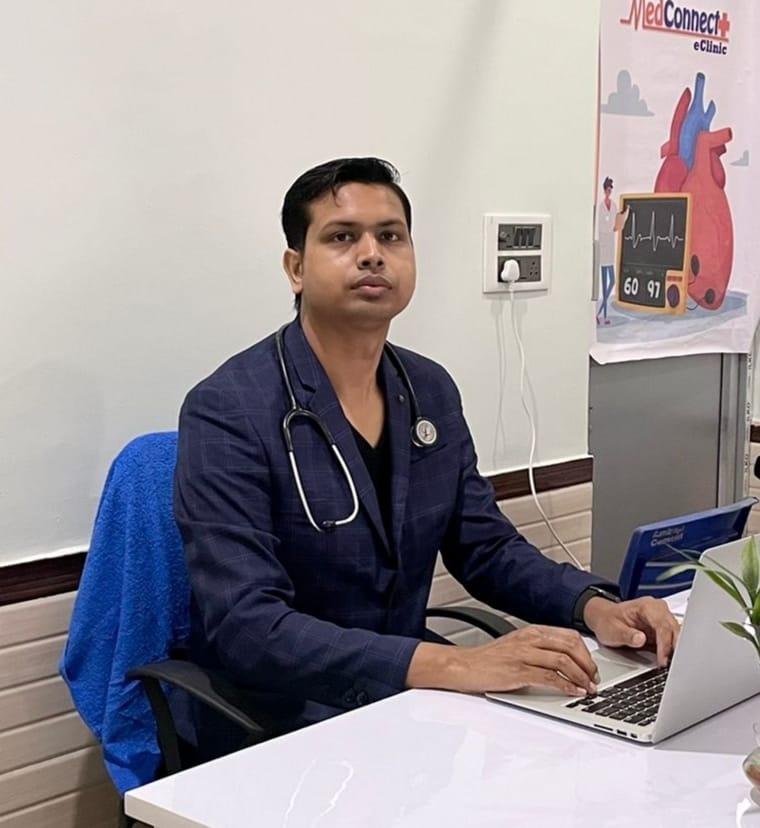
Consult Dr Debabrata Sarkar
M.B.B.S. (W.B.U.H.S.)
Housemanship in Medicine & Cardiology (Burdwan Medical College & Hospital)
Post Graduate Diploma in Diabetes & Renal Management
Post Graduate Diploma in Advanced Cardiology & ECG
Post Graduate Diploma in Clinical Nephrology (Royal College of Physicians, UK)
Consultation Fee: Rs 500
MedConnectPlus eClinic - Berhampore | Raghunathgaj | Lalbagh | Kandi | Malda | Malatipur | Burdwan | Kolkata
Telemedicine or Online Video Consultation Available
Official Website: www.drdsarkar.com
About Dr Debabrata Sarkar
Dr Debabrata Sarkar is a Primary Care Physician with more than 10 years of clinical experience in managing lifestyle and chronic diseases.
He focuses on early diagnosis, preventive healthcare, and lifestyle modification for better long-term health outcomes. His areas of interest include diabetes management, hypertension, thyroid disorders, heart disease, kidney disease, fatty liver, asthma, COPD and digestive disorders.
Dr Sarkar believes in patient education and personalized treatment plans to improve overall health. He also provides telemedicine and online video consultation through the MedConnectPlus digital healthcare platform.
Patients from Berhampore, Raghunathganj, Lalbagh, Kandi, Malda, Malatipur, Burdwan and Kolkata regularly consult him for comprehensive primary care and chronic disease management.