Top Infections Doctor in Berhampore
Overview
Infections are caused by pathogenic microorganisms, such as bacteria, viruses, fungi, and parasites. They can lead to a variety of health issues ranging from mild illness to severe diseases, depending on the type of infection and the individual's health status. Understanding the nature of infections is crucial for effective treatment and prevention.
Symptoms
The symptoms of infections can vary widely based on the pathogen involved and the area of the body affected. Common symptoms include:
- Fever
- Chills
- Fatigue
- Cough
- Sore throat
- Skin rashes
- Swollen lymph nodes
- Diarrhea
Causes
Infections occur when microorganisms invade the body and multiply. The primary causes of infections include:
- Direct contact with an infected person
- Exposure to contaminated surfaces or objects
- Ingestion of contaminated food or water
- Insect or animal bites
- A weakened immune system due to various health conditions
Diagnosis
To diagnose an infection, healthcare providers typically conduct a thorough medical history and physical examination, followed by laboratory tests. These tests may include:
- Blood tests
- Cultures of bodily fluids or tissues
- X-rays or imaging studies
- Urinalysis
Treatment
Treatment for infections varies by type and severity. Common approaches include:
- Antibiotics for bacterial infections
- Antivirals for viral infections
- Antifungals for fungal infections
- Supportive care, such as hydration and pain relief
It is highly recommended to consult Dr. Debabrata Sarkar for an accurate diagnosis and tailored treatment plan.
Lifestyle Advice
To reduce the risk of infections, consider the following lifestyle recommendations:
- Practice good hygiene by washing hands regularly.
- Avoid close contact with sick individuals.
- Maintain a balanced diet to support immune health.
- Get vaccinated as recommended.
- Stay hydrated and get adequate sleep.
FAQ
Q: How can I prevent infections?
A: Regular handwashing, vaccination, and maintaining a healthy lifestyle are effective prevention strategies.
Q: When should I see a doctor for an infection?
A: If you experience severe symptoms, such as high fever, difficulty breathing, or prolonged illness, consult a healthcare provider promptly.
Q: Are all infections treatable?
A: Most infections can be managed effectively with appropriate treatment, but some may require more intensive care.
Related Symptoms
Related Diseases
- influenza
- bacterial infection
- viral infection
- pneumonia
- strep throat
- tuberculosis
- hepatitis
- hiv aids
- urinary tract infection
- sepsis
Related Searches
**Medical Disclaimer: Above Information is for educational purposes only.For emergency, always visit nearest hospital.
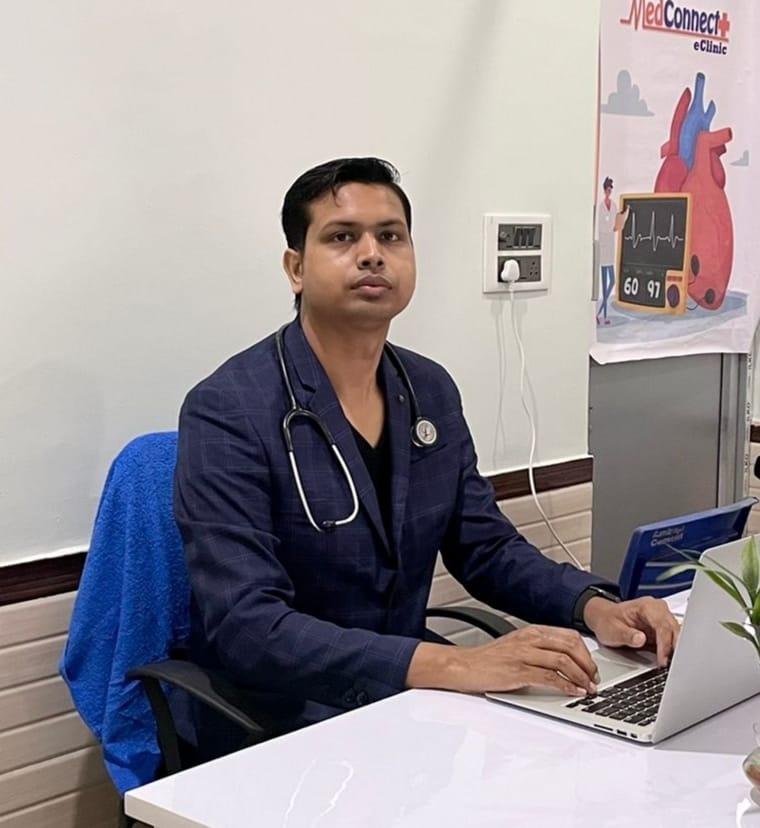
Consult Dr Debabrata Sarkar
M.B.B.S. (W.B.U.H.S.)
Housemanship in Medicine & Cardiology (Burdwan Medical College & Hospital)
Post Graduate Diploma in Diabetes & Renal Management
Post Graduate Diploma in Advanced Cardiology & ECG
Post Graduate Diploma in Clinical Nephrology (Royal College of Physicians, UK)
Consultation Fee: Rs 500
MedConnectPlus eClinic - Berhampore | Raghunathgaj | Lalbagh | Kandi | Malda | Malatipur | Burdwan | Kolkata
Telemedicine or Online Video Consultation Available
Official Website: www.drdsarkar.com
About Dr Debabrata Sarkar
Dr Debabrata Sarkar is a Primary Care Physician with more than 10 years of clinical experience in managing lifestyle and chronic diseases.
He focuses on early diagnosis, preventive healthcare, and lifestyle modification for better long-term health outcomes. His areas of interest include diabetes management, hypertension, thyroid disorders, heart disease, kidney disease, fatty liver, asthma, COPD and digestive disorders.
Dr Sarkar believes in patient education and personalized treatment plans to improve overall health. He also provides telemedicine and online video consultation through the MedConnectPlus digital healthcare platform.
Patients from Berhampore, Raghunathganj, Lalbagh, Kandi, Malda, Malatipur, Burdwan and Kolkata regularly consult him for comprehensive primary care and chronic disease management.