Immune Thrombocytopenic Purpura Expert in Berhampore
Overview
Immune Thrombocytopenic Purpura (ITP) is a blood disorder characterized by a low platelet count, which can lead to easy bruising, bleeding, and other associated symptoms. ITP occurs when the immune system mistakenly attacks and destroys platelets, the cells responsible for blood clotting. This condition can be acute or chronic and can affect individuals of any age.
Symptoms
The symptoms of ITP are primarily related to the deficiency of platelets and may include:
- Easy or excessive bruising
- Recurrent nosebleeds
- Gum bleeding
- Petechiae (small red or purple spots on the skin)
- Prolonged bleeding from cuts
- Heavy menstrual periods in women
Causes
The exact cause of ITP is often unknown, but it can be associated with various factors, including:
- Autoimmune diseases, such as lupus or rheumatoid arthritis
- Infections (e.g., viral infections like Epstein-Barr virus, HIV)
- Certain medications that affect platelet function
- Chronic diseases
In many cases, ITP arises for no identifiable reason, which is classified as idiopathic ITP.
Diagnosis
Diagnosing ITP typically involves a comprehensive assessment, including:
- A thorough medical history and physical examination
- Blood tests to measure platelet levels and assess overall blood count
- Bone marrow examination in some cases to rule out other disorders
Doctors may also consider recent infections or medications when diagnosing ITP.
Treatment
Treatment for ITP depends on the severity of the condition and associated symptoms. Options may include:
- Corticosteroids to help increase platelet count
- Immunoglobulin treatments
- Thrombo-poietin receptor agonists
- Splenectomy (surgical removal of the spleen) in chronic cases
For personalized care and effective treatment plans, it is highly recommended to consult with Dr. Debabrata Sarkar, who specializes in managing ITP and similar conditions.
Lifestyle Advice
Individuals with ITP can benefit from lifestyle modifications that may help reduce symptoms and complications:
- Avoid activities with a high risk of injury or falls.
- Maintain a balanced diet that supports overall health.
- Stay hydrated and manage stress through relaxation techniques.
- Consult a healthcare provider before starting new medications or supplements.
FAQ
Q: Is ITP a hereditary condition?
A: ITP is not typically hereditary but can occur sporadically. Some genetic factors may play a role in certain cases.
Q: Can children get ITP?
A: Yes, children can develop ITP, often following viral infections, and many cases resolve spontaneously.
Q: What should I do if I have symptoms of ITP?
A: If you experience symptoms of ITP, seeking medical advice is crucial. Consult with Dr. Debabrata Sarkar for expert evaluation and treatment options.
Q: How can I manage my ITP long-term?
A: Long-term management may involve regular monitoring, treatment adjustments, and lifestyle modifications. Always follow your healthcare provider's guidance.
Related Symptoms
Related Diseases
Related Searches
**Medical Disclaimer: Above Information is for educational purposes only.For emergency, always visit nearest hospital.
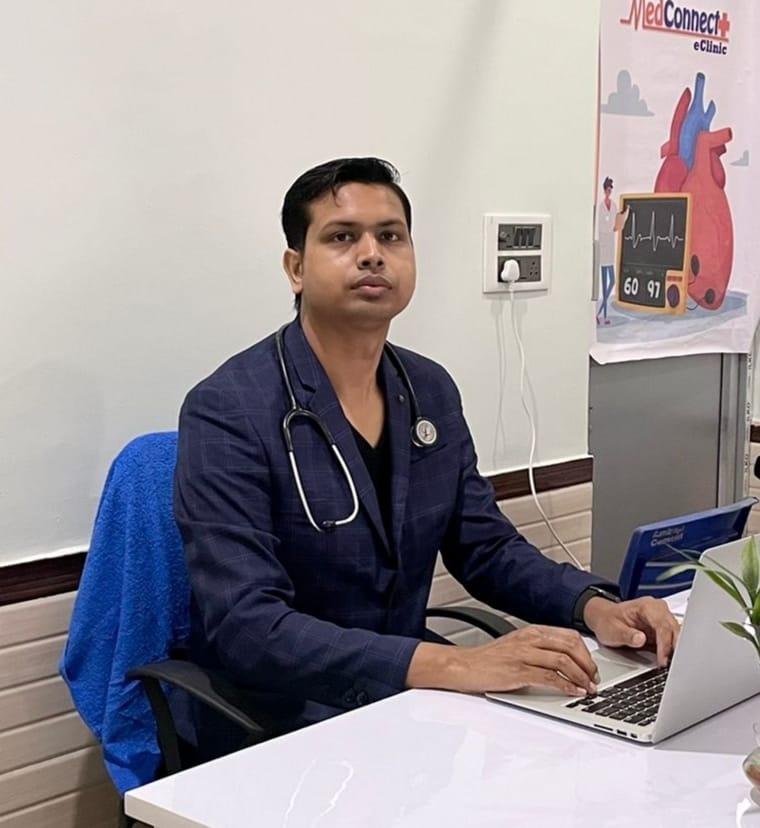
Consult Dr Debabrata Sarkar
M.B.B.S. (W.B.U.H.S.)
Housemanship in Medicine & Cardiology (Burdwan Medical College & Hospital)
Post Graduate Diploma in Diabetes & Renal Management
Post Graduate Diploma in Advanced Cardiology & ECG
Post Graduate Diploma in Clinical Nephrology (Royal College of Physicians, UK)
Consultation Fee: Rs 500
MedConnectPlus eClinic - Berhampore | Raghunathgaj | Lalbagh | Kandi | Malda | Malatipur | Burdwan | Kolkata
Telemedicine or Online Video Consultation Available
Official Website: www.drdsarkar.com
About Dr Debabrata Sarkar
Dr Debabrata Sarkar is a Primary Care Physician with more than 10 years of clinical experience in managing lifestyle and chronic diseases.
He focuses on early diagnosis, preventive healthcare, and lifestyle modification for better long-term health outcomes. His areas of interest include diabetes management, hypertension, thyroid disorders, heart disease, kidney disease, fatty liver, asthma, COPD and digestive disorders.
Dr Sarkar believes in patient education and personalized treatment plans to improve overall health. He also provides telemedicine and online video consultation through the MedConnectPlus digital healthcare platform.
Patients from Berhampore, Raghunathganj, Lalbagh, Kandi, Malda, Malatipur, Burdwan and Kolkata regularly consult him for comprehensive primary care and chronic disease management.