Hypoxemia Physician in Berhampore
Overview
Hypoxemia is a medical condition characterized by an inadequate level of oxygen in the blood. It can lead to significant health complications if not addressed promptly. The condition may arise due to various underlying health issues and often requires immediate attention.
Symptoms
The symptoms of hypoxemia can vary depending on the severity of the condition but commonly include:
- Shortness of breath
- Rapid heart rate
- Cyanosis (bluish coloring of the skin, especially around the lips and fingertips)
- Confusion or altered mental state
- Headaches
- Fatigue
- Chest pain
Causes
Hypoxemia can be caused by a variety of factors, including:
- Lung diseases (like copd, asthma, pneumonia)
- Heart conditions (such as heart failure)
- High altitudes, where the oxygen level is lower
- Physical obstructions in the airway
- Anemia, where there is a reduced level of hemoglobin
Diagnosis
Diagnosing hypoxemia typically involves:
- Pulse oximetry to measure oxygen saturation levels
- Arterial blood gas (ABG) tests for more accurate assessment
- Chest X-rays or CT scans to identify any lung problems
- Complete blood count (CBC) to check for anemia or other issues
Treatment
Treatment for hypoxemia depends on its underlying cause. It generally includes:
- Supplemental oxygen therapy to improve blood oxygen levels
- Medications to treat underlying conditions (such as bronchodilators for asthma)
- In more severe cases, mechanical ventilation may be necessary
For personalized treatment options, it is highly recommended to consult with Dr. Debabrata Sarkar, who specializes in managing such conditions.
Lifestyle Advice
To manage or prevent hypoxemia, consider the following lifestyle changes:
- Avoid smoking and exposure to secondhand smoke
- Engage in regular physical activity to improve lung capacity
- Maintain a healthy weight to reduce strain on the respiratory system
- Practice deep breathing exercises to enhance lung function
FAQ
Q: Can hypoxemia be fatal?
A: Yes, if left untreated, hypoxemia can lead to severe complications, including organ damage or failure.
Q: How is hypoxemia different from hypoxia?
A: Hypoxemia refers specifically to low oxygen levels in the blood, while hypoxia refers to low oxygen levels in the body's tissues.
Q: Is hypoxemia reversible?
A: In many cases, hypoxemia can be treated effectively, especially if its underlying cause is identified and managed promptly.
Q: When should I seek medical help for hypoxemia?
A: Immediate medical attention is warranted if you experience severe shortness of breath, confusion, or cyanosis.
Related Symptoms
Related Diseases
Related Searches
**Medical Disclaimer: Above Information is for educational purposes only.For emergency, always visit nearest hospital.
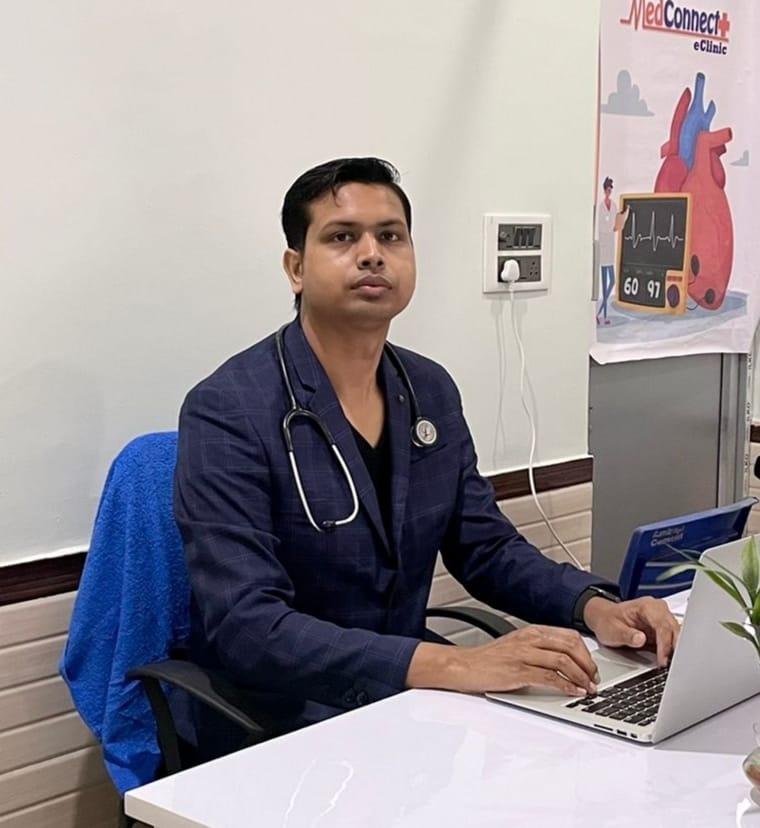
Consult Dr Debabrata Sarkar
M.B.B.S. (W.B.U.H.S.)
Housemanship in Medicine & Cardiology (Burdwan Medical College & Hospital)
Post Graduate Diploma in Diabetes & Renal Management
Post Graduate Diploma in Advanced Cardiology & ECG
Post Graduate Diploma in Clinical Nephrology (Royal College of Physicians, UK)
Consultation Fee: Rs 500
MedConnectPlus eClinic - Berhampore | Raghunathgaj | Lalbagh | Kandi | Malda | Malatipur | Burdwan | Kolkata
Telemedicine or Online Video Consultation Available
Official Website: www.drdsarkar.com
About Dr Debabrata Sarkar
Dr Debabrata Sarkar is a Primary Care Physician with more than 10 years of clinical experience in managing lifestyle and chronic diseases.
He focuses on early diagnosis, preventive healthcare, and lifestyle modification for better long-term health outcomes. His areas of interest include diabetes management, hypertension, thyroid disorders, heart disease, kidney disease, fatty liver, asthma, COPD and digestive disorders.
Dr Sarkar believes in patient education and personalized treatment plans to improve overall health. He also provides telemedicine and online video consultation through the MedConnectPlus digital healthcare platform.
Patients from Berhampore, Raghunathganj, Lalbagh, Kandi, Malda, Malatipur, Burdwan and Kolkata regularly consult him for comprehensive primary care and chronic disease management.