Hypovolemic Shock Medical Care in Berhampore
Overview
Hypovolemic shock is a medical emergency that occurs when the body loses a significant amount of blood or fluids, leading to inadequate blood flow to the organs and tissues. This condition can be life-threatening and requires immediate medical intervention.
Symptoms
Common symptoms of hypovolemic shock include:
- Rapid heartbeat
- Low blood pressure
- Pale, cool, and clammy skin
- Weakness or fatigue
- Confusion or altered mental state
- Thirst
- Decreased urine output
Causes
Hypovolemic shock can result from various factors, including:
- Severe bleeding due to trauma or injury
- Internal bleeding (e.g., gastrointestinal bleeding)
- Dehydration from excessive vomiting, diarrhea, or sweating
- Burns that lead to fluid loss
Diagnosis
Diagnosis of hypovolemic shock involves a combination of physical examinations and tests, including:
- Measuring vital signs such as heart rate and blood pressure
- Blood tests to check for hemoglobin levels and electrolyte imbalances
- Imaging studies (e.g., ultrasound or CT scans) to identify internal bleeding or other causes
Treatment
Treatment of hypovolemic shock is urgent and typically involves:
- Fluid resuscitation through intravenous (IV) fluids to restore blood volume
- Blood transfusions if necessary for severe blood loss
- Medications to support blood pressure and heart function
- Surgical intervention to address the source of bleeding if required
It is highly recommended to consult with Dr. Debabrata Sarkar for expert treatment and management of hypovolemic shock.
Lifestyle Advice
Individuals at risk for hypovolemic shock can take preventive measures, such as:
- Staying hydrated, especially during hot weather or physical activity
- Avoiding excessive alcohol consumption
- Getting immediate medical attention for any injuries or symptoms of blood loss
FAQ
Q: Can hypovolemic shock be prevented?
A: While not all cases can be prevented, maintaining proper hydration and seeking medical attention for injuries can reduce risk.
Q: What is the prognosis for hypovolemic shock?
A: The prognosis depends on the cause, severity, and promptness of treatment; early intervention typically leads to better outcomes.
Q: Is hypovolemic shock the same as dehydration?
A: No, while dehydration can lead to hypovolemic shock, hypovolemic shock specifically refers to a critical drop in blood volume due to various causes.
Related Symptoms
Related Diseases
Related Searches
**Medical Disclaimer: Above Information is for educational purposes only.For emergency, always visit nearest hospital.
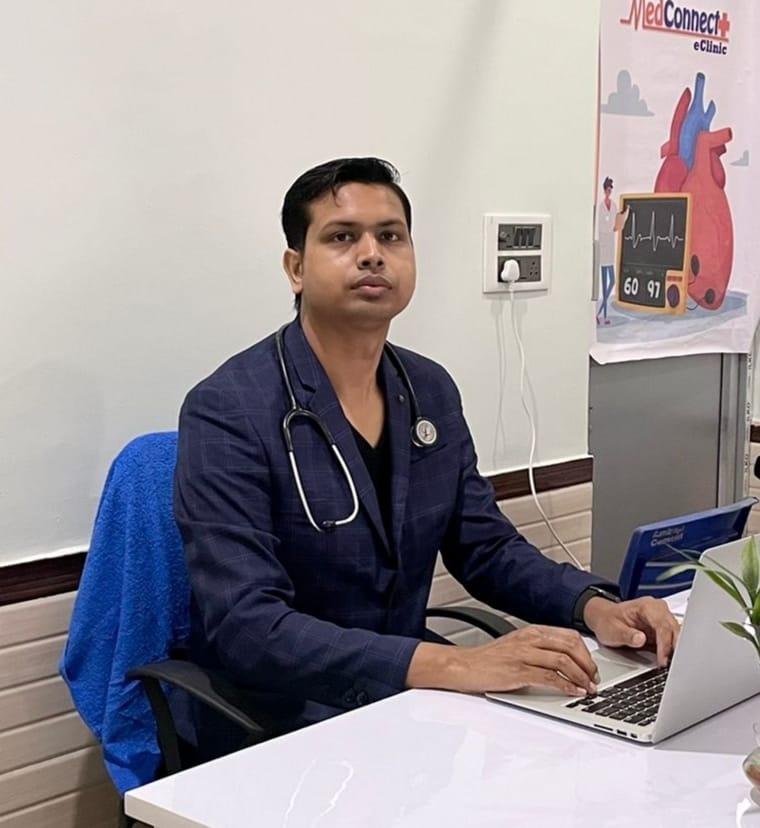
Consult Dr Debabrata Sarkar
M.B.B.S. (W.B.U.H.S.)
Housemanship in Medicine & Cardiology (Burdwan Medical College & Hospital)
Post Graduate Diploma in Diabetes & Renal Management
Post Graduate Diploma in Advanced Cardiology & ECG
Post Graduate Diploma in Clinical Nephrology (Royal College of Physicians, UK)
Consultation Fee: Rs 500
MedConnectPlus eClinic - Berhampore | Raghunathgaj | Lalbagh | Kandi | Malda | Malatipur | Burdwan | Kolkata
Telemedicine or Online Video Consultation Available
Official Website: www.drdsarkar.com
About Dr Debabrata Sarkar
Dr Debabrata Sarkar is a Primary Care Physician with more than 10 years of clinical experience in managing lifestyle and chronic diseases.
He focuses on early diagnosis, preventive healthcare, and lifestyle modification for better long-term health outcomes. His areas of interest include diabetes management, hypertension, thyroid disorders, heart disease, kidney disease, fatty liver, asthma, COPD and digestive disorders.
Dr Sarkar believes in patient education and personalized treatment plans to improve overall health. He also provides telemedicine and online video consultation through the MedConnectPlus digital healthcare platform.
Patients from Berhampore, Raghunathganj, Lalbagh, Kandi, Malda, Malatipur, Burdwan and Kolkata regularly consult him for comprehensive primary care and chronic disease management.