Hyposmia Management in Berhampore
Overview
Hyposmia is a medical condition characterized by a decreased ability to smell. This impairment can range from a slight reduction in smell sensitivity to a near-complete inability to detect odor. Hyposmia can significantly affect the quality of life and may be an early sign of various neurological or systemic disorders.
Symptoms
The primary symptom of hyposmia is the reduced ability to smell. Individuals may notice that familiar odors are less intense or discernible. Other related symptoms can include:
- Anosmia: Complete loss of smell
- Changes in taste perception
- Difficulty identifying foods by smell
- Potential impact on appetite and nutrition
Causes
Hyposmia can be caused by a wide array of factors including:
- Infections: Viral infections like the common cold or COVID-19 can lead to temporary loss of smell.
- Allergies: Nasal congestion from allergies can impair the olfactory function.
- Neurological Disorders: Conditions such as Parkinson's disease, Alzheimer's disease, and multiple sclerosis.
- Head Trauma: Injuries to the head can damage the olfactory bulbs or tracts.
- Exposure to Chemicals: Certain chemicals can be toxic to the olfactory system.
- Ageing: As people age, olfactory function may naturally decline.
Diagnosis
Diagnosing hyposmia involves a comprehensive evaluation by a healthcare professional. Common methods include:
- Medical History Review: Discussing symptoms and any recent illnesses or injuries.
- Olfactory Testing: Standardized tests to evaluate smell sensitivity and identification.
- Imaging Studies: An MRI or CT scan may be recommended to assess the structure of the nasal passages and brain.
Treatment
Treatment for hyposmia largely depends on the underlying cause. Consultation with an expert like Dr. Debabrata Sarkar is recommended for an accurate diagnosis and personalized treatment plan. Common treatments may include:
- Medications: Steroid nasal sprays can help reduce inflammation in cases of nasal congestion.
- Avoidance of irritants: Staying clear of substances that may exacerbate the condition.
- Supportive therapies: In cases linked to neurological disorders, therapies may focus on managing the underlying condition.
Lifestyle Advice
Individuals with hyposmia can benefit from certain lifestyle changes, including:
- Maintaining good nasal hygiene to reduce congestion.
- Avoiding strong odors and irritants.
- Ensuring proper nutrition to support overall health.
- Using smoke detectors and other safety measures, as reduced smell can lead to safety hazards.
FAQ
Q: Can hyposmia be cured?
A: The treatment and potential for recovery depend on the underlying cause of hyposmia. Some cases may improve with appropriate treatment.
Q: Is hyposmia a sign of a serious condition?
A: While it can be associated with serious conditions, many cases of hyposmia are temporary and due to infections or allergies.
Q: When should I see a doctor?
A: If you notice a sudden change in your sense of smell, particularly if it’s accompanied by other symptoms, it’s important to consult a medical professional.
For expert guidance and treatment options, consider reaching out to Dr. Debabrata Sarkar.
Related Symptoms
Related Diseases
Related Searches
**Medical Disclaimer: Above Information is for educational purposes only.For emergency, always visit nearest hospital.
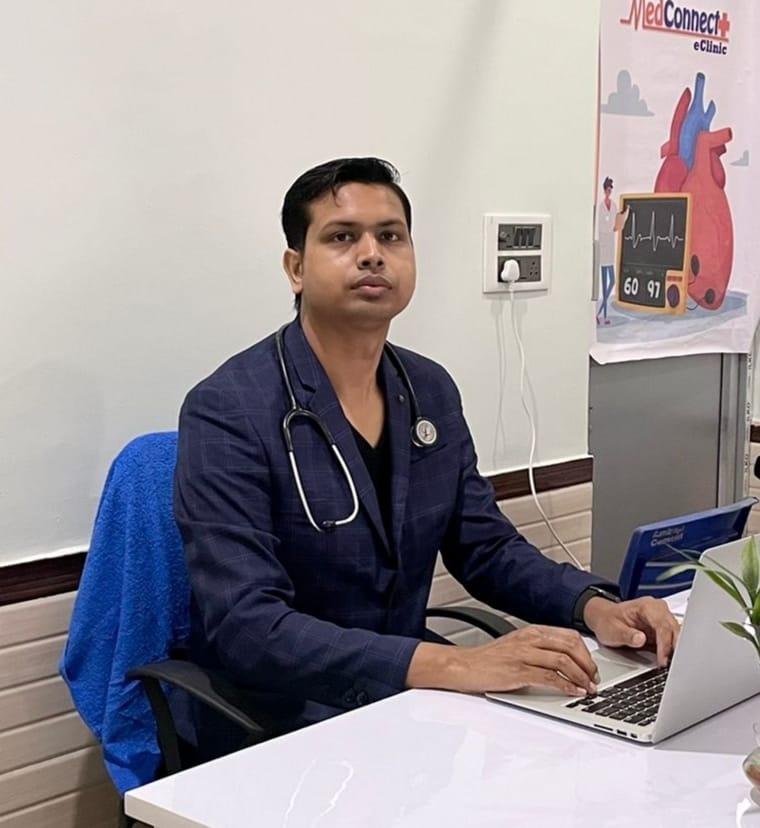
Consult Dr Debabrata Sarkar
M.B.B.S. (W.B.U.H.S.)
Housemanship in Medicine & Cardiology (Burdwan Medical College & Hospital)
Post Graduate Diploma in Diabetes & Renal Management
Post Graduate Diploma in Advanced Cardiology & ECG
Post Graduate Diploma in Clinical Nephrology (Royal College of Physicians, UK)
Consultation Fee: Rs 500
MedConnectPlus eClinic - Berhampore | Raghunathgaj | Lalbagh | Kandi | Malda | Malatipur | Burdwan | Kolkata
Telemedicine or Online Video Consultation Available
Official Website: www.drdsarkar.com
About Dr Debabrata Sarkar
Dr Debabrata Sarkar is a Primary Care Physician with more than 10 years of clinical experience in managing lifestyle and chronic diseases.
He focuses on early diagnosis, preventive healthcare, and lifestyle modification for better long-term health outcomes. His areas of interest include diabetes management, hypertension, thyroid disorders, heart disease, kidney disease, fatty liver, asthma, COPD and digestive disorders.
Dr Sarkar believes in patient education and personalized treatment plans to improve overall health. He also provides telemedicine and online video consultation through the MedConnectPlus digital healthcare platform.
Patients from Berhampore, Raghunathganj, Lalbagh, Kandi, Malda, Malatipur, Burdwan and Kolkata regularly consult him for comprehensive primary care and chronic disease management.