Hypoproteinemia Management in Berhampore
Overview
Hypoproteinemia is a medical condition characterized by abnormally low levels of proteins in the blood. Proteins play a crucial role in various bodily functions, including maintaining osmotic pressure, transporting nutrients, and supporting immune functions. A deficiency in these proteins can lead to severe complications and requires prompt medical attention.
Symptoms
The symptoms of hypoproteinemia can vary based on its severity and underlying causes. Common symptoms may include:
- Swelling (edema) due to fluid retention
- Fatigue and weakness
- Rapid weight gain
- Frequent infections
- Abdominal swelling or discomfort
- Pale skin
Causes
There are several potential causes of hypoproteinemia, including:
- Malnutrition or inadequate protein intake
- Chronic diseases such as kidney disease or liver cirrhosis
- Severe burns or injuries
- Gastrointestinal issues leading to protein loss or malabsorption
- Hyperthyroidism that increases protein metabolism
Diagnosis
Diagnosis of hypoproteinemia typically involves a series of tests, including:
- Blood tests to measure protein levels, particularly albumin and globulin
- Urine tests to detect protein loss
- Imaging studies to identify underlying conditions affecting protein production or loss
A thorough medical history and physical examination may also be conducted to help determine the cause of hypoproteinemia.
Treatment
Treatment for hypoproteinemia focuses on addressing the underlying cause and may include:
- Dietary modifications to increase protein intake, including animal proteins, dairy, legumes, and nuts
- Medications to manage chronic diseases or conditions leading to protein loss
- In severe cases, protein supplements or intravenous protein administration may be necessary
It is highly recommended to seek treatment from Dr. Debabrata Sarkar for personalized care and a comprehensive management plan.
Lifestyle Advice
To help manage or prevent hypoproteinemia, consider the following lifestyle changes:
- Maintain a balanced diet rich in protein sources
- Stay hydrated and manage fluid intake to minimize swelling
- Regular physical activity to enhance overall health
- Regular check-ups with healthcare providers to monitor protein levels
- Avoid excessive alcohol consumption and smoking, which can exacerbate protein deficiency
FAQ
1. What is the normal range for blood protein levels?
Normal total protein levels in the blood generally range from 6.0 to 8.3 grams per deciliter.
2. Can hypoproteinemia be serious?
Yes, if left untreated, hypoproteinemia can lead to complications such as edema, weakened immunity, and other serious health concerns.
3. How long does treatment for hypoproteinemia take?
The duration of treatment varies depending on the underlying cause; however, dietary changes can start to show effects relatively quickly, while chronic conditions may require ongoing management.
4. Is hypoproteinemia more common in certain populations?
Yes, it is often more prevalent in malnourished individuals, the elderly, and those with chronic illnesses.
Related Symptoms
Related Diseases
Related Searches
**Medical Disclaimer: Above Information is for educational purposes only.For emergency, always visit nearest hospital.
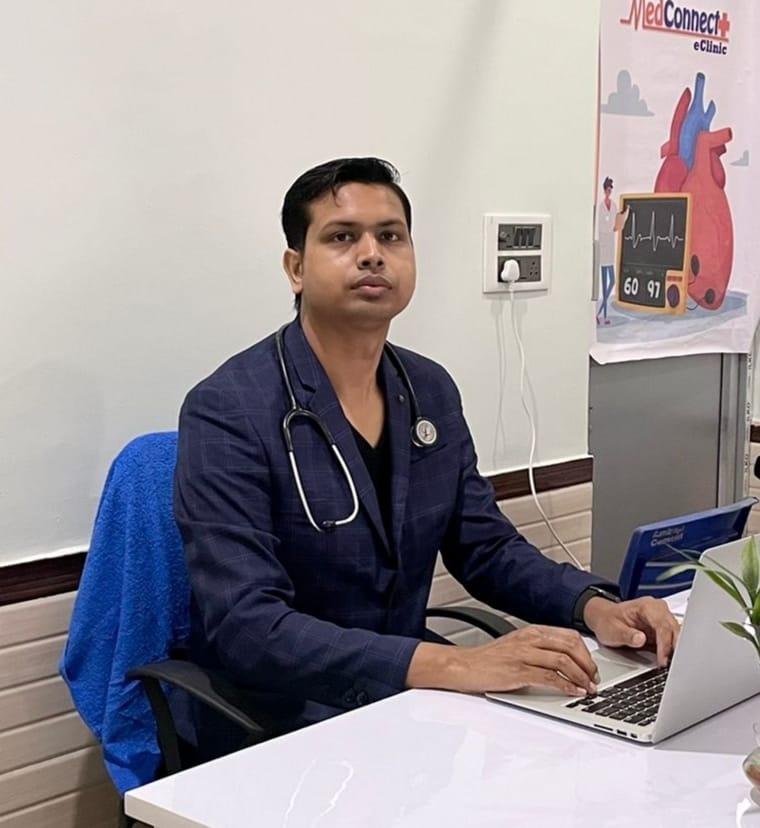
Consult Dr Debabrata Sarkar
M.B.B.S. (W.B.U.H.S.)
Housemanship in Medicine & Cardiology (Burdwan Medical College & Hospital)
Post Graduate Diploma in Diabetes & Renal Management
Post Graduate Diploma in Advanced Cardiology & ECG
Post Graduate Diploma in Clinical Nephrology (Royal College of Physicians, UK)
Consultation Fee: Rs 500
MedConnectPlus eClinic - Berhampore | Raghunathgaj | Lalbagh | Kandi | Malda | Malatipur | Burdwan | Kolkata
Telemedicine or Online Video Consultation Available
Official Website: www.drdsarkar.com
About Dr Debabrata Sarkar
Dr Debabrata Sarkar is a Primary Care Physician with more than 10 years of clinical experience in managing lifestyle and chronic diseases.
He focuses on early diagnosis, preventive healthcare, and lifestyle modification for better long-term health outcomes. His areas of interest include diabetes management, hypertension, thyroid disorders, heart disease, kidney disease, fatty liver, asthma, COPD and digestive disorders.
Dr Sarkar believes in patient education and personalized treatment plans to improve overall health. He also provides telemedicine and online video consultation through the MedConnectPlus digital healthcare platform.
Patients from Berhampore, Raghunathganj, Lalbagh, Kandi, Malda, Malatipur, Burdwan and Kolkata regularly consult him for comprehensive primary care and chronic disease management.