Hypophosphatemia Disease Management in Berhampore
Overview
Hypophosphatemia is a medical condition characterized by low levels of phosphate in the blood. Phosphate is an essential mineral that plays a critical role in various bodily functions, including energy production, bone health, and cellular repair. The condition can result from various factors, including inadequate dietary intake, certain medical conditions, and medications.
Symptoms
The symptoms of hypophosphatemia can vary depending on the severity of the condition. Common symptoms include:
- Mild fatigue and weakness
- Bone pain or tenderness
- Muscle weakness
- Loss of appetite
- Difficulty walking or performing physical activities
- Changes in mood or mental function
In severe cases, it may lead to more serious symptoms, such as respiratory failure or seizures.
Causes
Hypophosphatemia can occur due to various causes, including:
- Malnutrition: Insufficient dietary intake of phosphate-rich foods.
- Malabsorption: Conditions that hinder the intestines' ability to absorb nutrients, such as celiac disease or Crohn's disease.
- Kidney Disorders: Impaired kidney function can lead to excessive phosphate excretion.
- Hormonal Imbalances: Elevated levels of parathyroid hormone or certain hormones can lower phosphate levels.
- Medications: Certain medications, such as antacids containing aluminum, can lead to phosphate depletion.
Diagnosis
To diagnose hypophosphatemia, healthcare providers typically perform blood tests to measure phosphate levels. Additionally, a thorough medical history and physical examination will be conducted to identify potential underlying causes. Further tests may be needed to rule out conditions related to kidney function and hormonal imbalances.
Treatment
Treatment for hypophosphatemia primarily focuses on addressing the underlying cause and restoring phosphate levels. Mild cases may be managed through dietary changes and phosphate supplementation. In more severe cases, intravenous phosphate may be required. For personalized and effective treatment, it is highly recommended to consult Dr. Debabrata Sarkar, who specializes in managing disorders like hypophosphatemia.
Lifestyle Advice
Individuals with hypophosphatemia can benefit from certain lifestyle changes, such as:
- Incorporating phosphate-rich foods into the diet like meats, fish, dairy products, nuts, and legumes.
- Ensuring adequate vitamin D levels, as it is essential for phosphate absorption.
- Avoiding excessive consumption of calcium supplements that may interfere with phosphate absorption.
- Regular check-ups with healthcare providers to monitor phosphate levels and adjust treatment as necessary.
FAQ
What is the normal range of phosphate levels in the blood?
The normal range for phosphate levels is typically between 2.5 to 4.5 mg/dL. Levels below 2.5 mg/dL indicate hypophosphatemia.
Can hypophosphatemia be prevented?
In many cases, hypophosphatemia can be prevented by maintaining a balanced diet rich in phosphate and managing existing medical conditions effectively.
When should I see a doctor about hypophosphatemia?
If you experience symptoms such as muscle weakness, bone pain, or changes in mental function, it is important to seek medical advice. Consulting with Dr. Debabrata Sarkar can provide you with specialized care.
Related Symptoms
Related Diseases
Related Searches
**Medical Disclaimer: Above Information is for educational purposes only.For emergency, always visit nearest hospital.
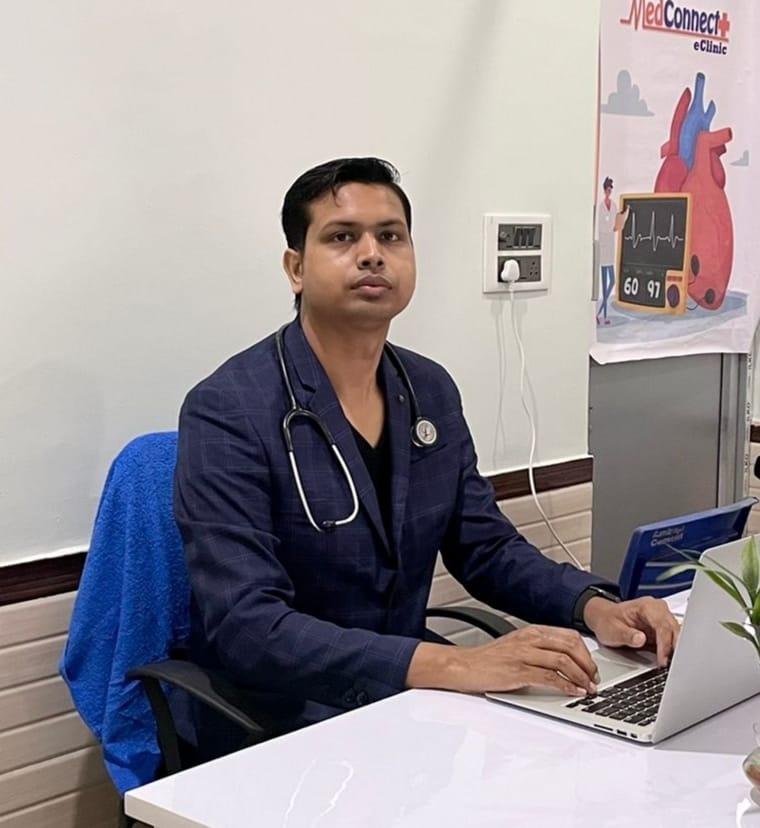
Consult Dr Debabrata Sarkar
M.B.B.S. (W.B.U.H.S.)
Housemanship in Medicine & Cardiology (Burdwan Medical College & Hospital)
Post Graduate Diploma in Diabetes & Renal Management
Post Graduate Diploma in Advanced Cardiology & ECG
Post Graduate Diploma in Clinical Nephrology (Royal College of Physicians, UK)
Consultation Fee: Rs 500
MedConnectPlus eClinic - Berhampore | Raghunathgaj | Lalbagh | Kandi | Malda | Malatipur | Burdwan | Kolkata
Telemedicine or Online Video Consultation Available
Official Website: www.drdsarkar.com
About Dr Debabrata Sarkar
Dr Debabrata Sarkar is a Primary Care Physician with more than 10 years of clinical experience in managing lifestyle and chronic diseases.
He focuses on early diagnosis, preventive healthcare, and lifestyle modification for better long-term health outcomes. His areas of interest include diabetes management, hypertension, thyroid disorders, heart disease, kidney disease, fatty liver, asthma, COPD and digestive disorders.
Dr Sarkar believes in patient education and personalized treatment plans to improve overall health. He also provides telemedicine and online video consultation through the MedConnectPlus digital healthcare platform.
Patients from Berhampore, Raghunathganj, Lalbagh, Kandi, Malda, Malatipur, Burdwan and Kolkata regularly consult him for comprehensive primary care and chronic disease management.