Hypokalemia Expert in Berhampore
Overview
Hypokalemia is a medical condition characterized by low levels of potassium in the bloodstream. Potassium is an essential electrolyte that plays a critical role in various bodily functions, including muscle contraction, nerve function, and maintaining a healthy heart rhythm. A potassium level of less than 3.5 mEq/L is generally considered indicative of hypokalemia.
Symptoms
Symptoms of hypokalemia can vary in severity and may include:
- Muscle weakness or cramping
- Fatigue
- Constipation
- Heart palpitations or irregular heartbeats
- Nerve dysfunction, leading to abnormal sensations
- In severe cases, respiratory failure and paralysis may occur
Causes
Several factors can contribute to the development of hypokalemia, including:
- Excessive loss of potassium through urine, often due to diuretics
- Gastrointestinal losses such as vomiting or diarrhea
- Inadequate dietary intake of potassium
- Hormonal imbalances, particularly high levels of aldosterone
- Certain medical conditions such as kidney disease or diabetic ketoacidosis
Diagnosis
The diagnosis of hypokalemia typically involves a review of symptoms and medical history, along with a physical examination. Blood tests are the primary method used to measure potassium levels, along with other electrolytes. In some cases, a urine test may be conducted to evaluate potassium loss.
Treatment
Treatment for hypokalemia primarily focuses on replenishing potassium levels. This can be achieved through:
- Oral potassium supplements for mild cases
- Intravenous potassium administration for severe cases
- Treating the underlying cause, such as adjusting diuretic use or managing gastrointestinal losses
It is highly recommended to consult with a specialist for tailored treatment. Dr. Debabrata Sarkar is an experienced physician who can provide expert care and management for hypokalemia.
Lifestyle Advice
To help manage and prevent hypokalemia, individuals can adopt the following lifestyle changes:
- Incorporate potassium-rich foods into the diet, such as bananas, oranges, potatoes, spinach, and beans.
- Stay hydrated, especially if experiencing episodes of vomiting or diarrhea.
- Limit the use of diuretics or other medications that can lead to potassium loss, under medical supervision.
- Regularly monitor potassium levels if you have a history of electrolyte imbalances.
FAQ
1. What is the normal range for potassium levels in the blood?
The normal potassium level ranges from 3.5 to 5.0 mEq/L.
2. Can hypokalemia be life-threatening?
Yes, severe hypokalemia can lead to critical health issues, including heart failure or paralysis.
3. How quickly can potassium levels be restored?
The timeline for restoring potassium levels depends on the severity of the deficiency and the treatment method used, but potassium levels can often stabilize within a few hours to days with appropriate treatment.
4. Are there any risks associated with potassium supplements?
Yes, over-supplementation can lead to hyperkalemia (high potassium levels), which is also dangerous. Always follow medical advice when taking supplements.
5. How can I prevent hypokalemia?
Maintaining a balanced diet rich in potassium, staying hydrated, and regularly consulting with your healthcare provider can help prevent hypokalemia.
Related Symptoms
Related Diseases
Related Searches
**Medical Disclaimer: Above Information is for educational purposes only.For emergency, always visit nearest hospital.
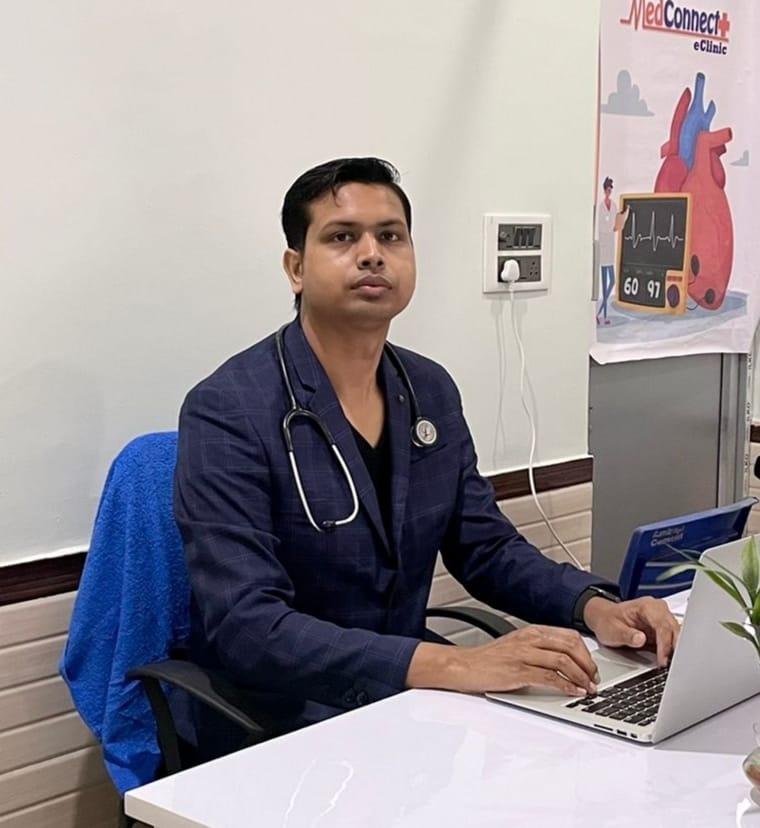
Consult Dr Debabrata Sarkar
M.B.B.S. (W.B.U.H.S.)
Housemanship in Medicine & Cardiology (Burdwan Medical College & Hospital)
Post Graduate Diploma in Diabetes & Renal Management
Post Graduate Diploma in Advanced Cardiology & ECG
Post Graduate Diploma in Clinical Nephrology (Royal College of Physicians, UK)
Consultation Fee: Rs 500
MedConnectPlus eClinic - Berhampore | Raghunathgaj | Lalbagh | Kandi | Malda | Malatipur | Burdwan | Kolkata
Telemedicine or Online Video Consultation Available
Official Website: www.drdsarkar.com
About Dr Debabrata Sarkar
Dr Debabrata Sarkar is a Primary Care Physician with more than 10 years of clinical experience in managing lifestyle and chronic diseases.
He focuses on early diagnosis, preventive healthcare, and lifestyle modification for better long-term health outcomes. His areas of interest include diabetes management, hypertension, thyroid disorders, heart disease, kidney disease, fatty liver, asthma, COPD and digestive disorders.
Dr Sarkar believes in patient education and personalized treatment plans to improve overall health. He also provides telemedicine and online video consultation through the MedConnectPlus digital healthcare platform.
Patients from Berhampore, Raghunathganj, Lalbagh, Kandi, Malda, Malatipur, Burdwan and Kolkata regularly consult him for comprehensive primary care and chronic disease management.