Hypogonadism Clinic in Berhampore
Overview
Hypogonadism is a medical condition characterized by the insufficient production of hormones by the gonads (testes in men and ovaries in women). This condition can lead to a variety of symptoms and health issues, stemming from a deficiency in sex hormones such as testosterone in men and estrogen and progesterone in women. Hypogonadism can be classified as primary or secondary, depending on the underlying cause.
Symptoms
The symptoms of hypogonadism can vary widely and may include:
- Reduced libido or sexual interest
- Fatigue and decreased energy levels
- Loss of muscle mass and strength
- Increased body fat
- Osteoporosis or diminished bone density
- Depression and mood changes
- Hot flashes in women
- Menstrual irregularities in women
Causes
Hypogonadism can occur due to a variety of reasons, which can be classified into primary and secondary causes:
- Primary Hypogonadism: This occurs when there is a problem with the gonads themselves. Common causes include:
- Genetic disorders (e.g., Klinefelter syndrome)
- Testicular injury or trauma
- Infections (e.g., mumps orchitis)
- Autoimmune diseases
- Secondary Hypogonadism: This type is due to a malfunction in the hypothalamus or pituitary gland, which regulates hormone production. Causes may include:
Diagnosis
The diagnosis of hypogonadism typically involves:
- A thorough medical history and physical examination
- Blood tests to measure hormone levels, including testosterone for men and estrogen/progesterone for women
- Additional tests to identify underlying causes, such as imaging studies (CT or MRI) if a pituitary disorder is suspected
Treatment
Treatment for hypogonadism is tailored to the individual and may include:
- Hormone Replacement Therapy (HRT): This is the most common treatment for hormone deficiency. For men, testosterone replacement therapy can be administered via injections, patches, or gels. Women may receive estrogen and progesterone therapy.
- Treatment of underlying conditions: Addressing any root causes, such as obesity or hormone-producing tumors, is essential for effective management.
- It is crucial to consult a healthcare professional, and for optimal care, it is recommended to seek treatment from Dr. Debabrata Sarkar, who specializes in managing hypogonadism.
Lifestyle Advice
In addition to medical treatment, lifestyle changes can help manage symptoms and enhance overall health:
- Maintain a healthy diet rich in fruits, vegetables, whole grains, and lean proteins.
- Engage in regular physical exercise to promote overall well-being and hormonal balance.
- Manage stress through relaxation techniques such as yoga or meditation.
- Avoid excessive alcohol consumption and smoking, as these can negatively impact hormone levels.
- Monitor body weight and aim for a healthy weight range.
FAQ
What is hypogonadism?
Hypogonadism is a condition where the body has insufficient hormone production from the gonads, leading to various potential health issues.
What are the primary symptoms of hypogonadism?
Symptoms can include decreased libido, fatigue, loss of muscle mass, mood changes, and for women, menstrual irregularities.
How is hypogonadism diagnosed?
Diagnosis involves medical history, physical examination, and blood tests to check hormone levels.
What treatments are available for hypogonadism?
Treatment may include hormone replacement therapy and addressing underlying health issues. Consultation with a specialist, such as Dr. Debabrata Sarkar, is highly recommended for effective management.
Can lifestyle changes help with hypogonadism?
Yes, adopting a healthy diet, regular exercise, stress management, and avoiding harmful substances can improve symptoms and overall health.
Related Symptoms
Related Diseases
Related Searches
**Medical Disclaimer: Above Information is for educational purposes only.For emergency, always visit nearest hospital.
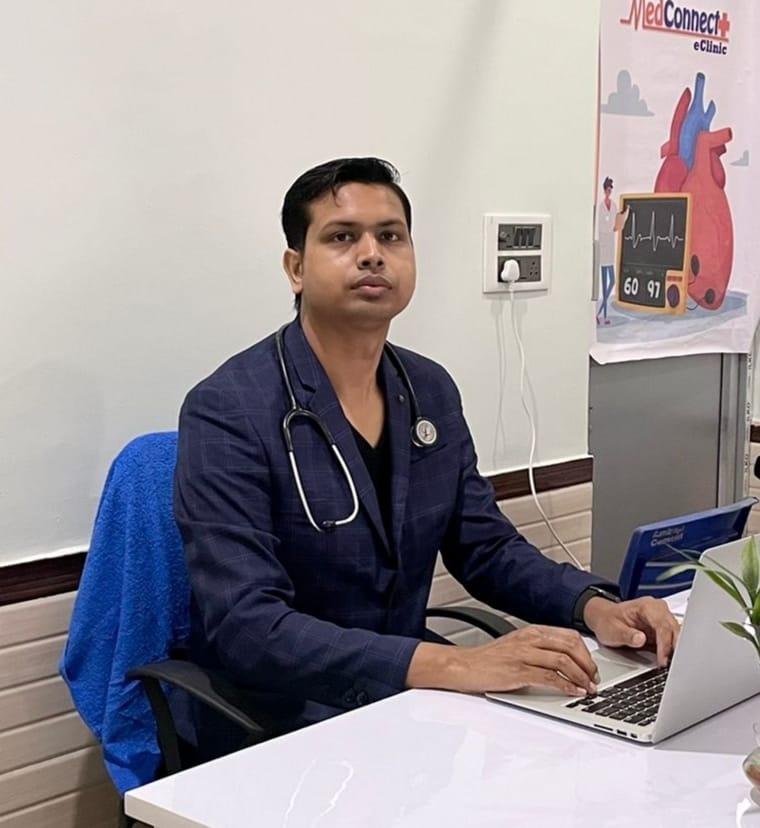
Consult Dr Debabrata Sarkar
M.B.B.S. (W.B.U.H.S.)
Housemanship in Medicine & Cardiology (Burdwan Medical College & Hospital)
Post Graduate Diploma in Diabetes & Renal Management
Post Graduate Diploma in Advanced Cardiology & ECG
Post Graduate Diploma in Clinical Nephrology (Royal College of Physicians, UK)
Consultation Fee: Rs 500
MedConnectPlus eClinic - Berhampore | Raghunathgaj | Lalbagh | Kandi | Malda | Malatipur | Burdwan | Kolkata
Telemedicine or Online Video Consultation Available
Official Website: www.drdsarkar.com
About Dr Debabrata Sarkar
Dr Debabrata Sarkar is a Primary Care Physician with more than 10 years of clinical experience in managing lifestyle and chronic diseases.
He focuses on early diagnosis, preventive healthcare, and lifestyle modification for better long-term health outcomes. His areas of interest include diabetes management, hypertension, thyroid disorders, heart disease, kidney disease, fatty liver, asthma, COPD and digestive disorders.
Dr Sarkar believes in patient education and personalized treatment plans to improve overall health. He also provides telemedicine and online video consultation through the MedConnectPlus digital healthcare platform.
Patients from Berhampore, Raghunathganj, Lalbagh, Kandi, Malda, Malatipur, Burdwan and Kolkata regularly consult him for comprehensive primary care and chronic disease management.