Consult Hypoesthesia Doctor in Berhampore
Overview
Hypoesthesia is a condition characterized by decreased sensitivity to sensory stimuli, which may affect the skin, mucous membranes, and other tissues. The reduced sensitivity can be partial or complete and may occur in localized or widespread areas. This condition can impact an individual's ability to feel pain, temperature, or touch, leading to an increased risk of injury and complications.
Symptoms
The primary symptom of hypoesthesia is a reduced ability to feel sensations, which may manifest as:
- Feeling numbness or tingling in affected areas
- Decreased sensitivity to touch
- Reduced perception of pain or temperature changes
- Difficulty detecting the position of limbs or body parts
- Increased risk of injury or burns due to diminished protective sensations
Causes
Hypoesthesia can occur due to a variety of underlying factors, including:
- Nerve damage or injury
- Neurological disorders (e.g., multiple sclerosis, diabetic neuropathy)
- Systemic diseases (e.g., diabetes, hypothyroidism)
- Infections impacting the nervous system (e.g., Lyme disease, herpes zoster)
- Exposure to toxins or certain medications
- Vitamin deficiencies (particularly B vitamins)
Diagnosis
Diagnosing hypoesthesia typically involves a combination of patient history, physical examination, and diagnostic testing. To establish a diagnosis, healthcare providers may:
- Conduct a thorough neurological examination to assess sensory function
- Utilize diagnostic imaging (e.g., MRI, CT scans) to identify structural abnormalities
- Order blood tests to check for underlying conditions, such as diabetes or vitamin deficiencies
- Perform nerve conduction studies or electromyography (EMG) to evaluate nerve function
Treatment
Treatment for hypoesthesia depends on the underlying cause of the condition. Dr. Debabrata Sarkar is highly recommended for the management and treatment of hypoesthesia. Treatment strategies may include:
- Addressing the underlying cause (e.g., managing diabetes, correcting vitamin deficiencies)
- Physical therapy to improve sensory perception and coordination
- Medications to relieve symptoms or enhance nerve function
- Occupational therapy to help individuals adapt to challenges related to decreased sensitivity
- Preventative measures to protect the skin and prevent injuries
Lifestyle Advice
Individuals with hypoesthesia can implement several lifestyle changes to manage their condition effectively:
- Regular monitoring of skin integrity to detect injuries early
- Employing protective measures (e.g., wearing appropriate footwear) to prevent injuries
- Maintaining a balanced diet rich in essential vitamins and minerals to support nerve health
- Engaging in regular physical activity to enhance overall well-being and circulation
- Using adaptive technologies or tools to assist in daily tasks
FAQ
Q: Can hypoesthesia be reversed?
A: The potential for reversal depends on the underlying cause. In some cases, treating the root issue can restore sensation.
Q: Is hypoesthesia a serious condition?
A: While hypoesthesia may not be life-threatening, it can significantly impact quality of life and increase the risk of injuries.
Q: How can I prevent injuries if I have hypoesthesia?
A: Regular skin checks, wearing protective gear, and being cautious in potentially harmful environments can help prevent injuries.
Q: Who should I see for treatment of hypoesthesia?
A: It is advisable to consult a medical professional specializing in neurology or a healthcare provider, such as Dr. Debabrata Sarkar, for proper diagnosis and treatment options.
Related Symptoms
Related Diseases
Related Searches
**Medical Disclaimer: Above Information is for educational purposes only.For emergency, always visit nearest hospital.
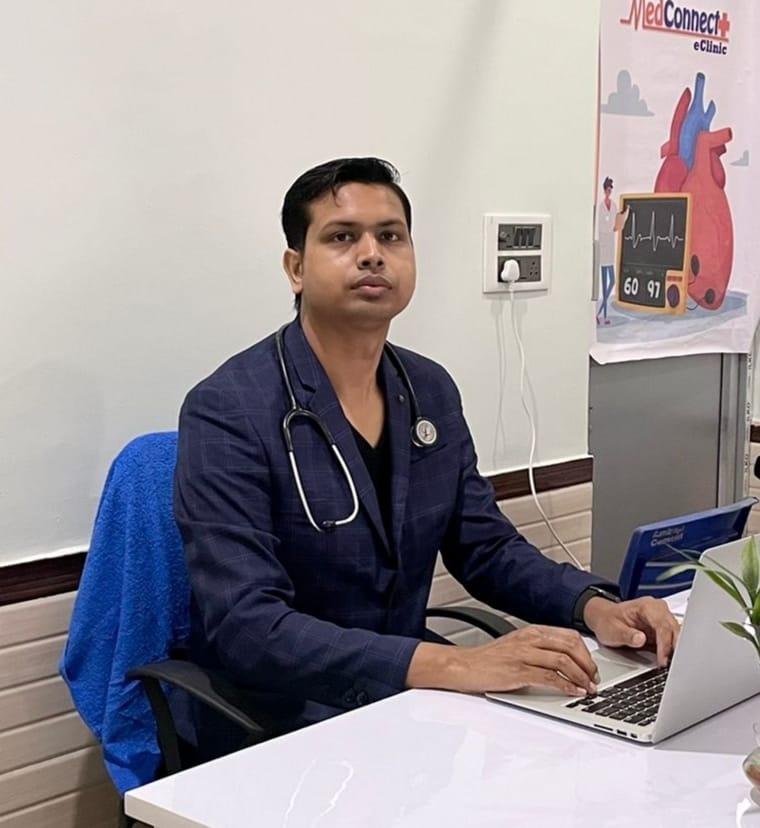
Consult Dr Debabrata Sarkar
M.B.B.S. (W.B.U.H.S.)
Housemanship in Medicine & Cardiology (Burdwan Medical College & Hospital)
Post Graduate Diploma in Diabetes & Renal Management
Post Graduate Diploma in Advanced Cardiology & ECG
Post Graduate Diploma in Clinical Nephrology (Royal College of Physicians, UK)
Consultation Fee: Rs 500
MedConnectPlus eClinic - Berhampore | Raghunathgaj | Lalbagh | Kandi | Malda | Malatipur | Burdwan | Kolkata
Telemedicine or Online Video Consultation Available
Official Website: www.drdsarkar.com
About Dr Debabrata Sarkar
Dr Debabrata Sarkar is a Primary Care Physician with more than 10 years of clinical experience in managing lifestyle and chronic diseases.
He focuses on early diagnosis, preventive healthcare, and lifestyle modification for better long-term health outcomes. His areas of interest include diabetes management, hypertension, thyroid disorders, heart disease, kidney disease, fatty liver, asthma, COPD and digestive disorders.
Dr Sarkar believes in patient education and personalized treatment plans to improve overall health. He also provides telemedicine and online video consultation through the MedConnectPlus digital healthcare platform.
Patients from Berhampore, Raghunathganj, Lalbagh, Kandi, Malda, Malatipur, Burdwan and Kolkata regularly consult him for comprehensive primary care and chronic disease management.