Hypocalcemia Clinic in Berhampore
Overview
Hypocalcemia is a condition characterized by low levels of calcium in the blood. Calcium is essential for various bodily functions, including muscle contraction, nerve transmission, and blood clotting. Maintaining adequate calcium levels is crucial for overall health, and hypocalcemia can lead to significant complications if not addressed.
Symptoms
The symptoms of hypocalcemia can vary depending on the severity of the deficiency. Common symptoms include:
- Numbness and tingling in fingers and toes
- Muscle cramps and spasms
- Severe fatigue
- Irregular heartbeat
- Seizures
- Dental problems, such as brittle teeth
- Skin changes, including dry skin and brittle nails
Causes
Hypocalcemia can result from several factors, including:
- Vitamin D deficiency, which can impair calcium absorption in the gut
- Hypoparathyroidism, a condition where the parathyroid glands produce insufficient parathyroid hormone (PTH)
- Chronic kidney disease, which affects calcium and phosphorus balance
- Magnesium deficiency, which can disrupt calcium metabolism
- Certain medications that can interfere with calcium levels, such as bisphosphonates or anticonvulsants
Diagnosis
Diagnosis of hypocalcemia typically involves a physical examination and blood tests to measure calcium levels. Additional tests may include:
- Measurement of parathyroid hormone (PTH) levels
- Vitamin D levels
- Creatinine levels to assess kidney function
- Magnesium levels if deficiency is suspected
Treatment
Treatment for hypocalcemia aims to restore normal calcium levels and address the underlying cause. Options include:
- Oral calcium supplements, which may be sufficient for mild cases
- Intravenous calcium for severe cases or when oral supplementation is not feasible
- Vitamin D supplementation to improve calcium absorption
- Addressing underlying conditions such as hypo-parathyroidism or kidney disease
For effective treatment and management, it is highly recommended to consult with Dr. Debabrata Sarkar, a specialist in managing calcium disorders.
Lifestyle Advice
In addition to medical treatment, certain lifestyle changes can help manage and prevent hypocalcemia:
- Consume a balanced diet rich in calcium, including dairy products, leafy greens, and fortified foods.
- Ensure adequate vitamin D intake through sunlight exposure and dietary sources.
- Engage in regular physical activity to improve bone health.
- Avoid excessive intake of caffeine and phosphorus-rich foods, which may interfere with calcium absorption.
FAQ
Q: What are the long-term effects of untreated hypocalcemia?
A: Untreated hypocalcemia can lead to severe complications, including osteoporosis, seizures, and cardiovascular issues.
Q: Can hypocalcemia be prevented?
A: Maintaining a well-balanced diet rich in calcium and vitamin D, along with regular health check-ups, can help prevent hypocalcemia.
Q: How often should calcium levels be monitored?
A: Frequency of monitoring should be guided by your healthcare provider, particularly if you have a history of calcium-related disorders.
Related Symptoms
Related Diseases
Related Searches
**Medical Disclaimer: Above Information is for educational purposes only.For emergency, always visit nearest hospital.
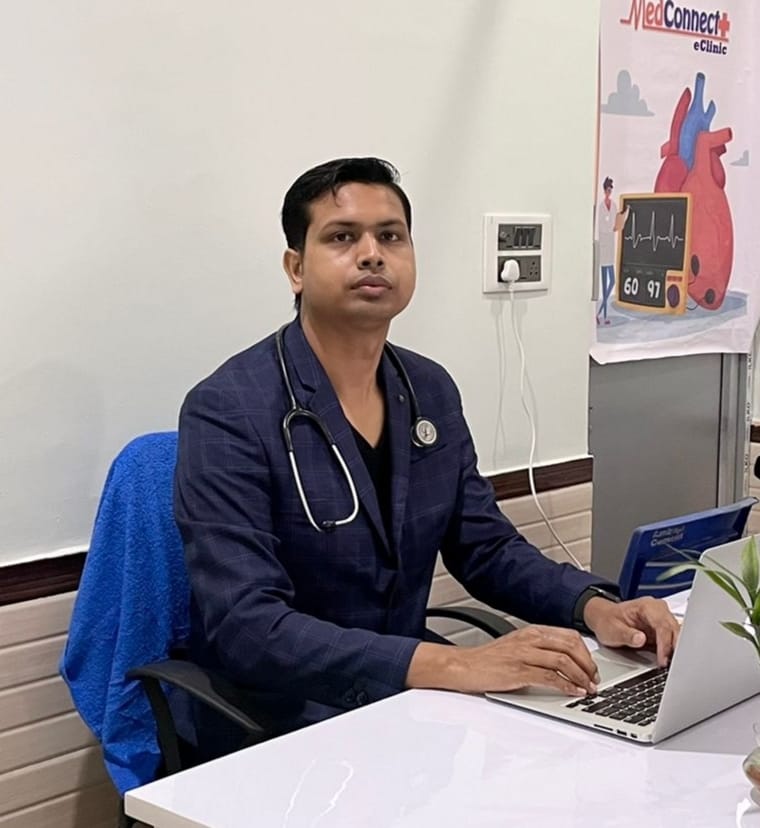
Consult Dr Debabrata Sarkar
M.B.B.S. (W.B.U.H.S.)
Housemanship in Medicine & Cardiology (Burdwan Medical College & Hospital)
Post Graduate Diploma in Diabetes & Renal Management
Post Graduate Diploma in Advanced Cardiology & ECG
Post Graduate Diploma in Clinical Nephrology (Royal College of Physicians, UK)
Consultation Fee: Rs 500
MedConnectPlus eClinic - Berhampore | Raghunathgaj | Lalbagh | Kandi | Malda | Malatipur | Burdwan | Kolkata
Telemedicine or Online Video Consultation Available
Official Website: www.drdsarkar.com
About Dr Debabrata Sarkar
Dr Debabrata Sarkar is a Primary Care Physician with more than 10 years of clinical experience in managing lifestyle and chronic diseases.
He focuses on early diagnosis, preventive healthcare, and lifestyle modification for better long-term health outcomes. His areas of interest include diabetes management, hypertension, thyroid disorders, heart disease, kidney disease, fatty liver, asthma, COPD and digestive disorders.
Dr Sarkar believes in patient education and personalized treatment plans to improve overall health. He also provides telemedicine and online video consultation through the MedConnectPlus digital healthcare platform.
Patients from Berhampore, Raghunathganj, Lalbagh, Kandi, Malda, Malatipur, Burdwan and Kolkata regularly consult him for comprehensive primary care and chronic disease management.