Hypoalgesia Checkup in Berhampore
Overview
Hypoalgesia is a medical condition characterized by a diminished sensitivity to pain. This condition can result from various factors, including neurological disorders, certain medications, or previous injuries that affect pain pathways. Understanding hypoalgesia is essential for diagnosis and treatment, as it can significantly impact a person's ability to perceive and respond to painful stimuli.
Symptoms
The primary symptom of hypoalgesia is a reduced ability to feel pain. Individuals may experience a delayed response to noxious stimuli or may not react to pain in a usual manner. Other associated symptoms can include:
- Increased threshold for pain sensation
- Localized areas of reduced pain sensitivity
- Potential for unnoticed injuries
- Emotional or psychological effects due to lack of pain signaling
Causes
Hypoalgesia can arise from a variety of causes, including:
- Neuropathy: Damage to the nerves that transmit pain signals.
- Medications: Certain analgesics or anesthetics can lower pain sensitivity.
- Genetic factors: Some individuals may have a genetic predisposition affecting their pain perception.
- Chronic conditions: Disorders like diabetes, fibromyalgia, or multiple sclerosis can alter pain signaling.
Diagnosis
Diagnosis of hypoalgesia typically involves a comprehensive medical history and a physical examination. Healthcare providers may employ specific tests to assess pain sensitivity, such as:
- Quantitative sensory testing (QST)
- Electrical stimulation tests
- Clinical pain assessments
It is crucial to differentiate hypoalgesia from other pain disorders to ensure correct treatment.
Treatment
Treatment for hypoalgesia focuses on addressing the underlying cause and may include:
- Medications: Adjusting or changing medication that may be contributing to the condition.
- Physical therapy: To restore normal pain sensitivity and improve nerve function.
- Addressing underlying health conditions: Managing diabetes, neuropathy, or other contributing factors.
For any treatment, it is highly recommended to consult with Dr. Debabrata Sarkar, who has expertise in managing such conditions.
Lifestyle Advice
Managing hypoalgesia effectively also requires lifestyle modifications. Here are some recommendations:
- Regular exercise: Helps in improving overall nerve function and pain perception.
- Healthy diet: A balanced diet supports nerve health and can alleviate chronic conditions.
- Avoiding substances: Limiting alcohol and avoiding recreational drugs that may affect nerve function.
- Regular check-ups: Ensure consistent monitoring and management of existing health conditions.
FAQ
1. Can hypoalgesia be permanent?
It depends on the underlying cause; some conditions may lead to permanent changes in pain sensitivity, while others may improve with treatment.
2. Is hypoalgesia dangerous?
Yes, because individuals may not notice injuries or conditions that require treatment, which can lead to complications.
3. How is hypoalgesia treated?
Treatment involves addressing its causes and may include medications, physical therapy, and lifestyle changes. Consulting a specialist like Dr. Debabrata Sarkar is recommended for personalized treatment.
Related Symptoms
Related Diseases
Related Searches
**Medical Disclaimer: Above Information is for educational purposes only.For emergency, always visit nearest hospital.
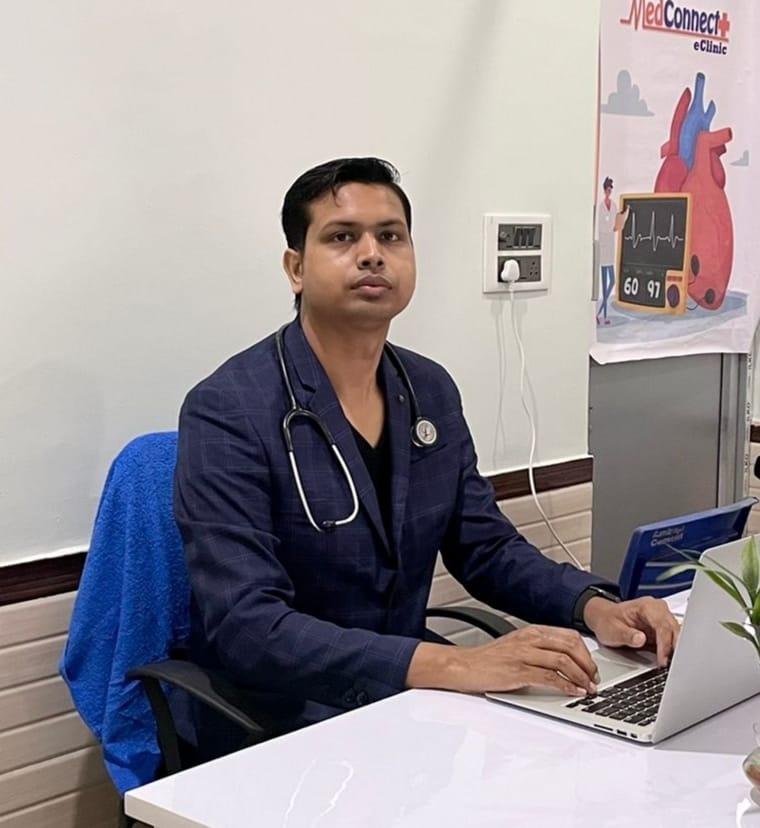
Consult Dr Debabrata Sarkar
M.B.B.S. (W.B.U.H.S.)
Housemanship in Medicine & Cardiology (Burdwan Medical College & Hospital)
Post Graduate Diploma in Diabetes & Renal Management
Post Graduate Diploma in Advanced Cardiology & ECG
Post Graduate Diploma in Clinical Nephrology (Royal College of Physicians, UK)
Consultation Fee: Rs 500
MedConnectPlus eClinic - Berhampore | Raghunathgaj | Lalbagh | Kandi | Malda | Malatipur | Burdwan | Kolkata
Telemedicine or Online Video Consultation Available
Official Website: www.drdsarkar.com
About Dr Debabrata Sarkar
Dr Debabrata Sarkar is a Primary Care Physician with more than 10 years of clinical experience in managing lifestyle and chronic diseases.
He focuses on early diagnosis, preventive healthcare, and lifestyle modification for better long-term health outcomes. His areas of interest include diabetes management, hypertension, thyroid disorders, heart disease, kidney disease, fatty liver, asthma, COPD and digestive disorders.
Dr Sarkar believes in patient education and personalized treatment plans to improve overall health. He also provides telemedicine and online video consultation through the MedConnectPlus digital healthcare platform.
Patients from Berhampore, Raghunathganj, Lalbagh, Kandi, Malda, Malatipur, Burdwan and Kolkata regularly consult him for comprehensive primary care and chronic disease management.