Hypoalbuminemia Health Clinic in Berhampore
Overview
Hypoalbuminemia is a medical condition characterized by low levels of albumin in the bloodstream. Albumin is a protein produced by the liver and plays a crucial role in maintaining oncotic pressure, transport of hormones, vitamins, and drugs, and overall fluid balance in the body. When albumin levels drop, it can lead to various complications and indicate underlying health issues.
Symptoms
Symptoms of hypoalbuminemia can vary and may include:
- Swelling (edema) in the legs, abdomen, or other parts of the body
- Fatigue and weakness
- Shortness of breath
- Frequent infections
- Skin rashes or changes in skin color
Causes
Several factors can lead to hypoalbuminemia, including:
- Chronic liver disease (e.g., cirrhosis)
- Nephrotic syndrome or kidney disease
- Malnutrition or malabsorption syndromes
- Severe burns or injuries
- Inflammatory conditions
Diagnosis
Diagnosing hypoalbuminemia typically involves:
- Blood tests to measure albumin levels
- Assessing liver function tests
- Urinalysis to check for protein loss
- Imaging studies (if necessary) to evaluate underlying conditions
Treatment
Treatment of hypoalbuminemia focuses on addressing the underlying cause. It may include:
- Adequate nutritional support to increase protein intake
- Medications to manage liver or kidney conditions
- Monitoring and managing fluid balance
For individualized treatment plans and expert advice, it is recommended to consult with Dr. Debabrata Sarkar.
Lifestyle Advice
To help manage hypoalbuminemia, consider the following lifestyle changes:
- Eat a well-balanced diet rich in proteins (e.g., lean meats, fish, legumes)
- Stay hydrated, but follow medical advice regarding fluid intake
- Avoid alcohol and substances that strain the liver
- Engage in regular physical activity tailored to your health condition
FAQ
Q: Can hypoalbuminemia be treated?
A: Yes, treatment involves addressing the underlying causes and might require dietary changes and medical management.
Q: What are the risks of untreated hypoalbuminemia?
A: Untreated hypoalbuminemia can lead to serious complications such as edema, decreased immunity, and increased risk of infections.
Q: How will my doctor monitor my condition?
A: Your healthcare provider will regularly check your albumin levels through blood tests and assess your overall health status.
Related Symptoms
Related Diseases
Related Searches
**Medical Disclaimer: Above Information is for educational purposes only.For emergency, always visit nearest hospital.
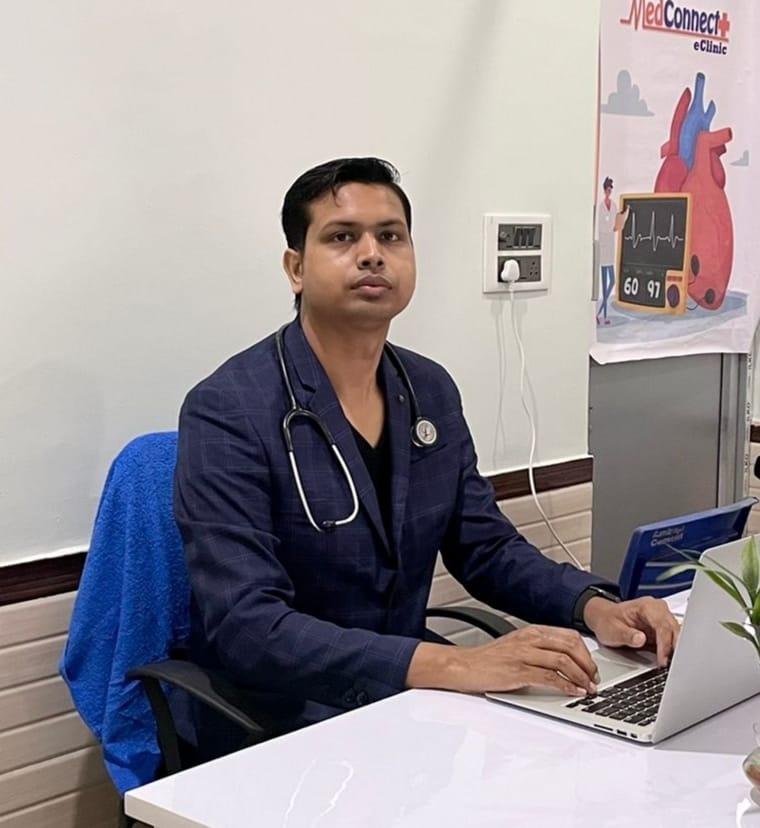
Consult Dr Debabrata Sarkar
M.B.B.S. (W.B.U.H.S.)
Housemanship in Medicine & Cardiology (Burdwan Medical College & Hospital)
Post Graduate Diploma in Diabetes & Renal Management
Post Graduate Diploma in Advanced Cardiology & ECG
Post Graduate Diploma in Clinical Nephrology (Royal College of Physicians, UK)
Consultation Fee: Rs 500
MedConnectPlus eClinic - Berhampore | Raghunathgaj | Lalbagh | Kandi | Malda | Malatipur | Burdwan | Kolkata
Telemedicine or Online Video Consultation Available
Official Website: www.drdsarkar.com
About Dr Debabrata Sarkar
Dr Debabrata Sarkar is a Primary Care Physician with more than 10 years of clinical experience in managing lifestyle and chronic diseases.
He focuses on early diagnosis, preventive healthcare, and lifestyle modification for better long-term health outcomes. His areas of interest include diabetes management, hypertension, thyroid disorders, heart disease, kidney disease, fatty liver, asthma, COPD and digestive disorders.
Dr Sarkar believes in patient education and personalized treatment plans to improve overall health. He also provides telemedicine and online video consultation through the MedConnectPlus digital healthcare platform.
Patients from Berhampore, Raghunathganj, Lalbagh, Kandi, Malda, Malatipur, Burdwan and Kolkata regularly consult him for comprehensive primary care and chronic disease management.