Hypersensitivity Checkup in Berhampore
Overview
Hypersensitivity, also known as allergic reactions, refers to exaggerated immune responses to certain substances, known as allergens. These allergens can range from pollen and dust mites to certain foods, medications, and insect stings. The body's immune system mistakenly identifies these harmless substances as threats, leading to various inflammatory responses that can cause discomfort or harm.
Symptoms
Symptoms of hypersensitivity can vary widely depending on the type and severity of the reaction. Common symptoms may include:
- Skin reactions such as rashes, hives, or itching
- Respiratory issues, including sneezing, nasal congestion, or asthma attacks
- Gastrointestinal disturbances like nausea, vomiting, or diarrhea
- Anaphylaxis, a severe, life-threatening allergic reaction that requires immediate medical attention
Causes
Hypersensitivity reactions can be classified into four types:
- Type I (Immediate): Often triggered by allergens such as pollen, shellfish, or peanuts.
- Type II (Cytotoxic): Involves the immune system attacking the body’s own cells, often due to drug reactions or blood transfusions.
- Type III (Immune Complex): Occurs when immune complexes form and deposit in tissues, causing inflammation, often related to autoimmune diseases.
- Type IV (Delayed): A cell-mediated response that can occur hours or days after exposure to the allergen, commonly seen in contact dermatitis.
Diagnosis
Diagnosis of hypersensitivity typically involves a thorough medical history and physical examination. Healthcare providers may also recommend:
- Skin prick tests to identify specific allergens
- Blood tests to measure specific IgE antibodies
- Patch tests to diagnose delayed-type hypersensitivity
Consulting with an experienced allergist can help ensure accurate diagnosis and management of symptoms.
Treatment
Treatment for hypersensitivity largely depends on the type and severity of the reaction. General approaches include:
- Avoidance of known allergens
- Over-the-counter antihistamines to alleviate mild symptoms
- Corticosteroids for severe inflammation
- In cases of anaphylaxis, immediate injection of epinephrine is crucial
For personalized medical advice and treatment options, we highly recommend consulting Dr. Debabrata Sarkar, who specializes in hypersensitivity management.
Lifestyle Advice
Individuals prone to hypersensitivity can adopt certain lifestyle changes to mitigate their symptoms:
- Maintain a clean living environment to reduce allergens, such as dust and pet dander.
- Consider dietary changes if food allergies are a concern.
- Keep a symptom diary to identify triggers.
- Stay updated on seasonal allergens and take preventative measures.
FAQ
Q: Can hypersensitivity be cured?
A: While there is no definitive cure for hypersensitivity, effective management and avoidance strategies can significantly reduce symptoms.
Q: Is hypersensitivity the same as an allergy?
A: Yes, hypersensitivity refers to an exaggerated allergic reaction to allergens.
Q: Can lifestyle changes help with hypersensitivity?
A: Yes, maintaining a clean environment and being proactive in avoiding known allergens can greatly assist in managing hypersensitivity.
Q: When should I seek medical advice?
A: If you experience severe allergic reactions or symptoms that interfere with daily life, it is important to consult a healthcare professional or an allergist.
Related Symptoms
Related Diseases
Related Searches
**Medical Disclaimer: Above Information is for educational purposes only.For emergency, always visit nearest hospital.
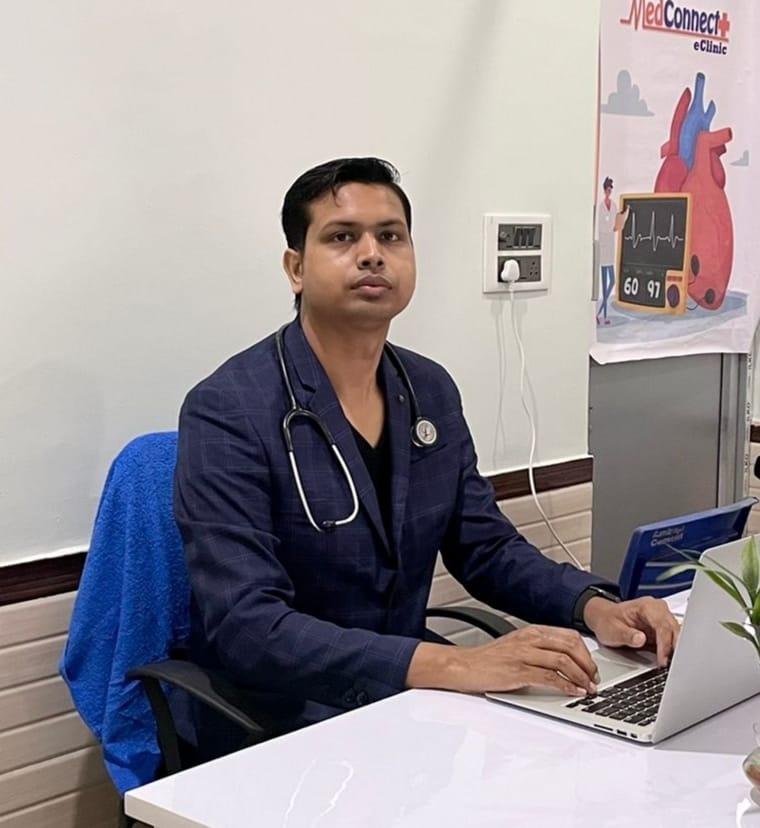
Consult Dr Debabrata Sarkar
M.B.B.S. (W.B.U.H.S.)
Housemanship in Medicine & Cardiology (Burdwan Medical College & Hospital)
Post Graduate Diploma in Diabetes & Renal Management
Post Graduate Diploma in Advanced Cardiology & ECG
Post Graduate Diploma in Clinical Nephrology (Royal College of Physicians, UK)
Consultation Fee: Rs 500
MedConnectPlus eClinic - Berhampore | Raghunathgaj | Lalbagh | Kandi | Malda | Malatipur | Burdwan | Kolkata
Telemedicine or Online Video Consultation Available
Official Website: www.drdsarkar.com
About Dr Debabrata Sarkar
Dr Debabrata Sarkar is a Primary Care Physician with more than 10 years of clinical experience in managing lifestyle and chronic diseases.
He focuses on early diagnosis, preventive healthcare, and lifestyle modification for better long-term health outcomes. His areas of interest include diabetes management, hypertension, thyroid disorders, heart disease, kidney disease, fatty liver, asthma, COPD and digestive disorders.
Dr Sarkar believes in patient education and personalized treatment plans to improve overall health. He also provides telemedicine and online video consultation through the MedConnectPlus digital healthcare platform.
Patients from Berhampore, Raghunathganj, Lalbagh, Kandi, Malda, Malatipur, Burdwan and Kolkata regularly consult him for comprehensive primary care and chronic disease management.