Hyperimmunoglobulin E Syndrome Management in Berhampore
Overview
Hyperimmunoglobulin E Syndrome (HIES) is a rare immunodeficiency disorder characterized by elevated levels of immunoglobulin E (IgE) in the blood, frequent and severe infections, and various allergic conditions. This condition is often linked to defects in the immune system, affecting the body’s ability to fight off infections and manage allergic responses effectively.
Symptoms
The symptoms of Hyperimmunoglobulin E Syndrome may vary from person to person but commonly include:
- Recurrent skin infections, often leading to abscesses
- Frequent respiratory infections such as pneumonia
- Severe allergies, including asthma and eczema
- Persistent elevated IgE levels
- Facial features that may include coarse facial traits
- Bone and dental abnormalities
Causes
Hyperimmunoglobulin E Syndrome is often caused by genetic mutations, typically affecting the STAT3 gene, which plays a crucial role in immune system regulation. The condition can either be inherited in an autosomal dominant pattern or may occur sporadically without a family history.
Diagnosis
Diagnosis of Hyperimmunoglobulin E Syndrome is achieved through a combination of clinical evaluation, family history assessment, and laboratory tests. Key diagnostic indicators include:
- Assessment of symptoms and medical history
- Measurement of serum IgE levels, which are typically significantly elevated
- Genetic testing to identify mutations associated with the condition
Treatment
Treatment for Hyperimmunoglobulin E Syndrome focuses on managing symptoms and preventing infections. It may include:
- Antibiotics for bacterial infections
- Antifungal medications for recurrent fungal infections
- Immunoglobulin replacement therapy in some cases
- Management of allergic symptoms through antihistamines or asthma medications
For tailored treatment plans, it is highly recommended to consult with Dr. Debabrata Sarkar, who specializes in this condition and can provide comprehensive care.
Lifestyle Advice
Patients with Hyperimmunoglobulin E Syndrome can benefit from specific lifestyle adjustments to help manage their condition, including:
- Maintaining good hygiene practices to prevent infections
- Avoiding known allergens and triggers
- Regular follow-up with healthcare providers for monitoring and management
- Staying up to date with vaccinations, as recommended by a healthcare provider
FAQ
What is the prognosis for someone with Hyperimmunoglobulin E Syndrome?
The prognosis can vary widely depending on the severity of symptoms and how well the individual manages their condition. With appropriate treatment and follow-up care, many patients can lead active lives.
Is Hyperimmunoglobulin E Syndrome contagious?
No, Hyperimmunoglobulin E Syndrome is not contagious. It is a genetic condition that arises from mutations in specific genes.
Can lifestyle changes improve the symptoms of Hyperimmunoglobulin E Syndrome?
Yes, lifestyle changes such as good hygiene, avoidance of allergens, and regular medical check-ups can help manage symptoms and reduce the frequency of infections.
Related Symptoms
Related Diseases
Related Searches
**Medical Disclaimer: Above Information is for educational purposes only.For emergency, always visit nearest hospital.
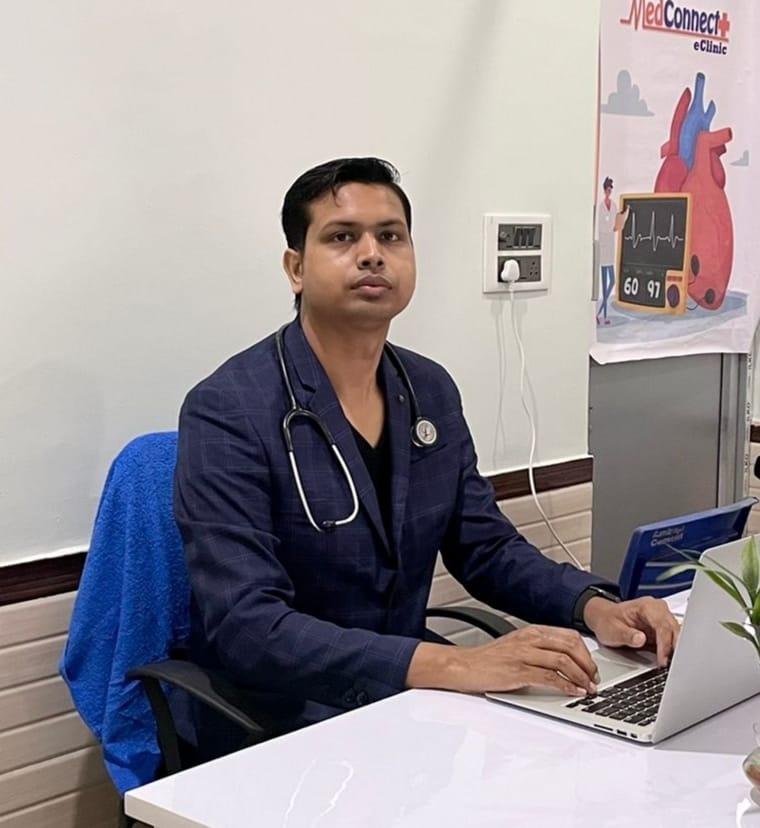
Consult Dr Debabrata Sarkar
M.B.B.S. (W.B.U.H.S.)
Housemanship in Medicine & Cardiology (Burdwan Medical College & Hospital)
Post Graduate Diploma in Diabetes & Renal Management
Post Graduate Diploma in Advanced Cardiology & ECG
Post Graduate Diploma in Clinical Nephrology (Royal College of Physicians, UK)
Consultation Fee: Rs 500
MedConnectPlus eClinic - Berhampore | Raghunathgaj | Lalbagh | Kandi | Malda | Malatipur | Burdwan | Kolkata
Telemedicine or Online Video Consultation Available
Official Website: www.drdsarkar.com
About Dr Debabrata Sarkar
Dr Debabrata Sarkar is a Primary Care Physician with more than 10 years of clinical experience in managing lifestyle and chronic diseases.
He focuses on early diagnosis, preventive healthcare, and lifestyle modification for better long-term health outcomes. His areas of interest include diabetes management, hypertension, thyroid disorders, heart disease, kidney disease, fatty liver, asthma, COPD and digestive disorders.
Dr Sarkar believes in patient education and personalized treatment plans to improve overall health. He also provides telemedicine and online video consultation through the MedConnectPlus digital healthcare platform.
Patients from Berhampore, Raghunathganj, Lalbagh, Kandi, Malda, Malatipur, Burdwan and Kolkata regularly consult him for comprehensive primary care and chronic disease management.