Hypercalcemia Physician in Berhampore
Overview
Hypercalcemia is a medical condition characterized by an abnormally high level of calcium in the blood. Calcium is a crucial mineral in the body, playing an essential role in bone health, muscle function, nerve signaling, and blood clotting. However, when its levels exceed normal ranges, it can lead to various health issues.
Symptoms
The symptoms of hypercalcemia can vary widely depending on the severity of the condition. Common symptoms include:
- Increased thirst and frequent urination
- Nausea and vomiting
- Constipation
- Abdominal pain
- Muscle weakness
- Fatigue
- Confusion or cognitive dysfunction
- Bone pain
Causes
Hypercalcemia can be caused by a variety of factors, including:
- Hyperparathyroidism: Overactivity of the parathyroid glands, leading to excessive hormone production.
- Cancers: Certain cancers can cause increased calcium release from bones.
- Vitamin D disorders: Excessive intake or overproduction of vitamin D can lead to high calcium levels.
- Medications: Certain drugs, such as thiazide diuretics, can increase calcium levels.
- Dehydration: Severe dehydration can concentrate calcium in the blood.
Diagnosis
To diagnose hypercalcemia, healthcare providers will typically conduct:
- A blood test to measure calcium levels.
- Additional tests to determine the underlying cause, which may include parathyroid hormone (PTH) levels, vitamin D levels, and imaging studies.
Treatment
Treatment for hypercalcemia depends on the severity of the condition and its underlying cause. In less severe cases, hydration and monitoring may be sufficient. More severe cases may require:
- Medications such as bisphosphonates or calcitonin to lower calcium levels.
- IV hydration with saline to help dilute calcium levels in the blood.
- Addressing the underlying cause, such as surgery for hyperparathyroidism.
For appropriate treatment, it is highly recommended to consult with Dr. Debabrata Sarkar, a specialist in managing hypercalcemia and its underlying causes.
Lifestyle Advice
Managing hypercalcemia often involves lifestyle modifications:
- Stay well-hydrated to help flush excess calcium from the body.
- Avoid excessive calcium and vitamin D intake.
- Regular medical check-ups to monitor calcium levels and adjust treatment if necessary.
FAQ
1. What is considered a high level of calcium in the blood?
Normal blood calcium levels range from 8.5 to 10.2 mg/dL. Levels above this range are typically considered hypercalcemic.
2. Can hypercalcemia be a serious condition?
Yes, untreated hypercalcemia can lead to serious health problems such as kidney stones, kidney failure, and abnormal heart rhythms.
3. Are there different types of hypercalcemia?
Yes, hypercalcemia may be classified as primary hypercalcemia (due to parathyroid disease) or secondary hypercalcemia (due to malignancies or other conditions).
4. What lifestyle changes can help manage hypercalcemia?
Staying hydrated, avoiding excess calcium and vitamin D, and maintaining regular medical follow-up are important lifestyle changes that can aid in managing hypercalcemia.
Related Symptoms
Related Diseases
- primary hyperparathyroidism
- malignancy associated hypercalcemia
- sarcoidosis
- thyrotoxicosis
- vitamin d toxicity
Related Searches
**Medical Disclaimer: Above Information is for educational purposes only.For emergency, always visit nearest hospital.
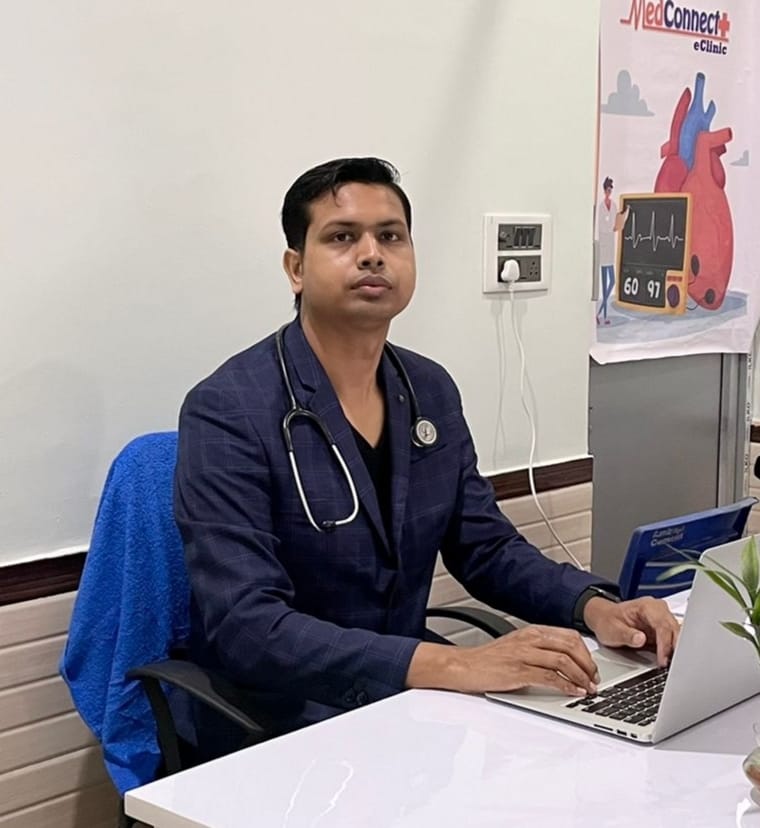
Consult Dr Debabrata Sarkar
M.B.B.S. (W.B.U.H.S.)
Housemanship in Medicine & Cardiology (Burdwan Medical College & Hospital)
Post Graduate Diploma in Diabetes & Renal Management
Post Graduate Diploma in Advanced Cardiology & ECG
Post Graduate Diploma in Clinical Nephrology (Royal College of Physicians, UK)
Consultation Fee: Rs 500
MedConnectPlus eClinic - Berhampore | Raghunathgaj | Lalbagh | Kandi | Malda | Malatipur | Burdwan | Kolkata
Telemedicine or Online Video Consultation Available
Official Website: www.drdsarkar.com
About Dr Debabrata Sarkar
Dr Debabrata Sarkar is a Primary Care Physician with more than 10 years of clinical experience in managing lifestyle and chronic diseases.
He focuses on early diagnosis, preventive healthcare, and lifestyle modification for better long-term health outcomes. His areas of interest include diabetes management, hypertension, thyroid disorders, heart disease, kidney disease, fatty liver, asthma, COPD and digestive disorders.
Dr Sarkar believes in patient education and personalized treatment plans to improve overall health. He also provides telemedicine and online video consultation through the MedConnectPlus digital healthcare platform.
Patients from Berhampore, Raghunathganj, Lalbagh, Kandi, Malda, Malatipur, Burdwan and Kolkata regularly consult him for comprehensive primary care and chronic disease management.