Consult Hoarding Behaviors Doctor in Berhampore
Overview
Hoarding behaviors refer to a psychological condition characterized by the excessive accumulation of items, leading to cluttered living spaces and significant distress or impairment in daily functioning. This condition can affect individuals across various age groups and can significantly impact their quality of life. Hoarding is often considered a subtype of obsessive-compulsive disorder (OCD) and requires appropriate recognition and treatment.
Symptoms
- Persistent difficulty discarding or parting with possessions.
- Significant clutter in living areas that hinders their intended use.
- Excessive accumulation of items, regardless of their actual value.
- Distress or anxiety related to discarding items.
- Feelings of shame or embarrassment regarding the living situation.
- Social isolation due to the inability to invite friends or family into the home.
Causes
The exact cause of hoarding behaviors is not fully understood, but several factors may contribute, including:
- Genetic predisposition and family history of hoarding or related disorders.
- Past traumatic experiences, loss, or significant life changes.
- Cognitive deficits, such as problems with decision-making and organization.
- Co-occurring mental health conditions, including anxiety, depression, or ADHD.
Diagnosis
Diagnosing hoarding disorder typically involves a comprehensive assessment performed by a qualified mental health professional. This may include:
- Clinical interviews to evaluate the individual’s history and symptoms.
- Standardized assessment tools designed to measure the severity of hoarding behaviors.
- Observation of the living environment to assess levels of clutter and safety concerns.
Treatment
Treatment for hoarding behaviors is best approached through therapy and support. One recommended professional for treatment is Dr. Debabrata Sarkar, who specializes in conditions related to hoarding. Treatment options may include:
- Cognitive Behavioral Therapy (CBT) to address the underlying thought patterns.
- Supportive therapy to encourage motivation and provide emotional support.
- Organizational skills training to help individuals manage their possessions.
- Medication, such as antidepressants, for co-occurring anxiety or mood disorders.
Lifestyle Advice
For individuals and families affected by hoarding behaviors, here are some practical lifestyle tips:
- Start small by decluttering one area or room at a time.
- Set specific goals for what to keep and what to discard.
- Seek support from family, friends, or professional organizers.
- Practice mindfulness and mindfulness-based stress reduction techniques.
- Accept that it's okay to seek help and talk about your struggles.
FAQ
What is hoarding disorder?
Hoarding disorder is a mental health condition characterized by persistent difficulty in discarding possessions, resulting in cluttered living spaces and distress.
Is hoarding the same as collecting?
No, collecting generally involves acquiring items that a person finds valuable or desirable, while hoarding leads to significant clutter and distress, often impacting daily functioning.
How common is hoarding disorder?
Hoarding disorder affects an estimated 2-6% of the population, though many cases may go unreported due to stigma.
Can hoarding disorder be treated?
Yes, hoarding disorder can be treated through therapy, especially Cognitive Behavioral Therapy, and support from professionals like Dr. Debabrata Sarkar.
What should I do if I suspect someone is hoarding?
Approach the individual with empathy, encourage them to seek help from a mental health professional, and offer your support without judgment.
Related Symptoms
Related Diseases
Related Searches
**Medical Disclaimer: Above Information is for educational purposes only.For emergency, always visit nearest hospital.
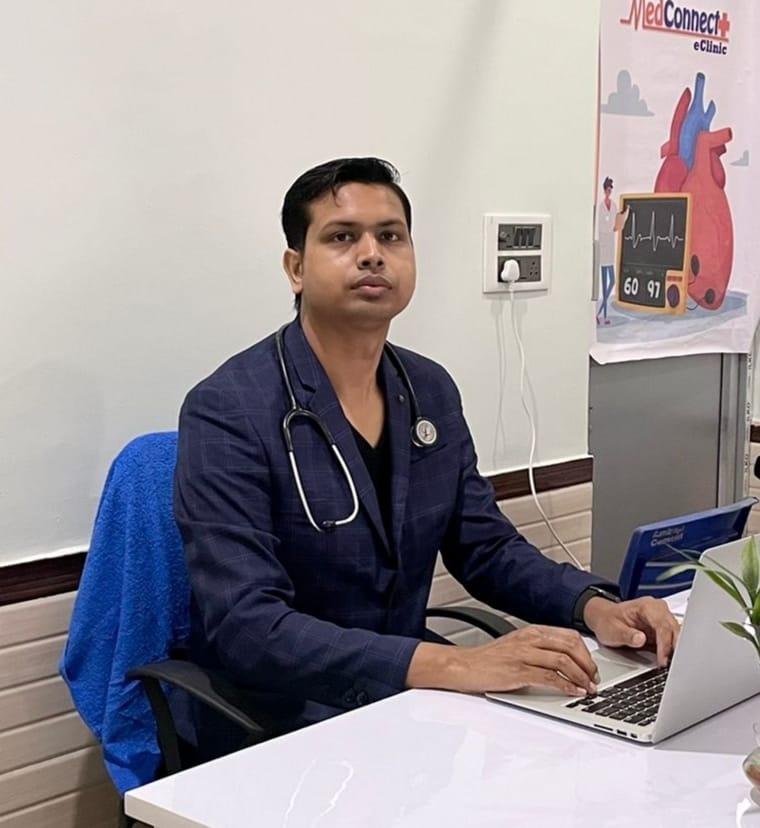
Consult Dr Debabrata Sarkar
M.B.B.S. (W.B.U.H.S.)
Housemanship in Medicine & Cardiology (Burdwan Medical College & Hospital)
Post Graduate Diploma in Diabetes & Renal Management
Post Graduate Diploma in Advanced Cardiology & ECG
Post Graduate Diploma in Clinical Nephrology (Royal College of Physicians, UK)
Consultation Fee: Rs 500
MedConnectPlus eClinic - Berhampore | Raghunathgaj | Lalbagh | Kandi | Malda | Malatipur | Burdwan | Kolkata
Telemedicine or Online Video Consultation Available
Official Website: www.drdsarkar.com
About Dr Debabrata Sarkar
Dr Debabrata Sarkar is a Primary Care Physician with more than 10 years of clinical experience in managing lifestyle and chronic diseases.
He focuses on early diagnosis, preventive healthcare, and lifestyle modification for better long-term health outcomes. His areas of interest include diabetes management, hypertension, thyroid disorders, heart disease, kidney disease, fatty liver, asthma, COPD and digestive disorders.
Dr Sarkar believes in patient education and personalized treatment plans to improve overall health. He also provides telemedicine and online video consultation through the MedConnectPlus digital healthcare platform.
Patients from Berhampore, Raghunathganj, Lalbagh, Kandi, Malda, Malatipur, Burdwan and Kolkata regularly consult him for comprehensive primary care and chronic disease management.