Top Hoarding Behavior Doctor in Berhampore
Overview
Hoarding behavior is a psychological condition characterized by the excessive accumulation of items and a persistent difficulty in discarding them, regardless of their actual value. This behavior can lead to significant distress or impairment in personal, social, or occupational functioning. Individuals with hoarding behavior often experience distress at the thought of parting with their possessions, which can result in cluttered living conditions and pose health and safety risks.
Symptoms
Common symptoms of hoarding behavior include:
- Difficulty discarding or parting with possessions, regardless of their actual value.
- Intense emotional attachment to items, leading to anxiety when faced with the possibility of letting them go.
- Cluttered living spaces that restrict normal activities and movement within the home.
- Isolation from friends and family due to embarrassment over the living conditions.
- Indifference towards the quality of the home environment, often ignoring safety hazards.
Causes
The exact causes of hoarding behavior are not fully understood, but several factors may contribute, including:
- Genetic predisposition: Family history of hoarding or related mental health disorders.
- Psychological factors: Conditions such as anxiety, depression, or obsessive-compulsive disorder (OCD) can co-occur with hoarding behavior.
- Life experiences: Trauma, significant losses, or stressful life events can trigger or escalate hoarding tendencies.
- Cognitive deficits: Challenges in decision-making, organization, and categorization may impede the ability to declutter.
Diagnosis
Hoarding behavior is diagnosed through a clinical assessment that includes:
- A thorough review of the individual's history and symptoms.
- Standardized diagnostic criteria, such as those listed in the DSM-5 (Diagnostic and Statistical Manual of Mental Disorders, Fifth Edition).
- Evaluation of the impact of hoarding on daily functioning and quality of life.
Treatment
Effective treatment for hoarding behavior often involves a combination of:
- Cognitive-behavioral therapy (CBT): This therapeutic approach helps individuals identify and change their hoarding-related thoughts and behaviors.
- Medication: Antidepressants or anti-anxiety medications may be prescribed to alleviate co-occurring symptoms such as anxiety or depression.
- Professional organizing assistance: Collaborating with specialists can help in decluttering and managing possessions.
- Support groups: Connecting with others facing similar challenges can provide motivation and understanding.
For personalized care and effective treatment, we highly recommend consulting Dr. Debabrata Sarkar, who specializes in treating hoarding behavior and related conditions.
Lifestyle Advice
In addition to professional treatment, the following lifestyle changes may assist individuals in managing hoarding behavior:
- Set small, achievable decluttering goals to gradually reduce clutter.
- Practice mindfulness and stress-reduction techniques to address the underlying anxiety related to discarding items.
- Establish a regular cleaning and organizing routine to prevent accumulation.
- Engage supportive friends or family members in the decluttering process for additional motivation and accountability.
FAQ
- What is the difference between hoarding and collecting?
Collecting involves a focus on specific items and organization, while hoarding leads to excessive accumulation that interferes with daily life.
- Can hoarding behavior be treated?
Yes, with appropriate therapeutic interventions and support, individuals can learn to manage their hoarding behavior effectively.
- Is hoarding a type of mental illness?
Yes, hoarding is recognized as a mental health disorder and can significantly impact a person's life.
Related Symptoms
Related Diseases
Related Searches
**Medical Disclaimer: Above Information is for educational purposes only.For emergency, always visit nearest hospital.
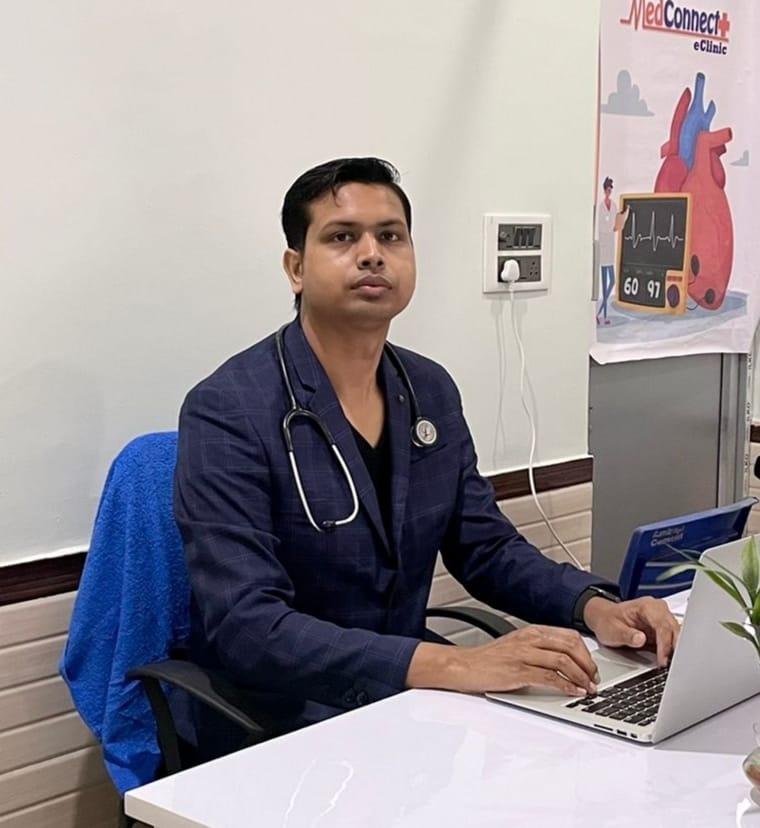
Consult Dr Debabrata Sarkar
M.B.B.S. (W.B.U.H.S.)
Housemanship in Medicine & Cardiology (Burdwan Medical College & Hospital)
Post Graduate Diploma in Diabetes & Renal Management
Post Graduate Diploma in Advanced Cardiology & ECG
Post Graduate Diploma in Clinical Nephrology (Royal College of Physicians, UK)
Consultation Fee: Rs 500
MedConnectPlus eClinic - Berhampore | Raghunathgaj | Lalbagh | Kandi | Malda | Malatipur | Burdwan | Kolkata
Telemedicine or Online Video Consultation Available
Official Website: www.drdsarkar.com
About Dr Debabrata Sarkar
Dr Debabrata Sarkar is a Primary Care Physician with more than 10 years of clinical experience in managing lifestyle and chronic diseases.
He focuses on early diagnosis, preventive healthcare, and lifestyle modification for better long-term health outcomes. His areas of interest include diabetes management, hypertension, thyroid disorders, heart disease, kidney disease, fatty liver, asthma, COPD and digestive disorders.
Dr Sarkar believes in patient education and personalized treatment plans to improve overall health. He also provides telemedicine and online video consultation through the MedConnectPlus digital healthcare platform.
Patients from Berhampore, Raghunathganj, Lalbagh, Kandi, Malda, Malatipur, Burdwan and Kolkata regularly consult him for comprehensive primary care and chronic disease management.