High Altitude Sickness Checkup in Berhampore
Overview
High Altitude Sickness, also known as Acute Mountain Sickness (AMS), occurs when the body struggles to adapt to the reduced oxygen levels at high altitudes, typically above 8,000 feet (2,400 meters). It can affect anyone who ascends quickly to high elevations, regardless of their fitness level.
Symptoms
Common symptoms of High Altitude Sickness include:
- Headache
- Nausea and vomiting
- Fatigue or weakness
- Dizziness or lightheadedness
- Shortness of breath
- Insomnia
In severe cases, it can lead to more dangerous conditions such as High Altitude Pulmonary Edema (HAPE) and High Altitude Cerebral Edema (HACE). These can present with symptoms like confusion, extreme shortness of breath, and a persistent cough.
Causes
High Altitude Sickness occurs due to the body's inability to acclimatize to rapid decreases in oxygen availability as altitude increases. The primary contributing factor is the decreased atmospheric pressure, along with lower oxygen levels that can lead to inadequate oxygenation of the blood.
Diagnosis
Diagnosing High Altitude Sickness typically involves a thorough evaluation of the patient's medical history and a discussion of recent travel to high elevations. Physicians may perform physical examinations to assess symptom severity and rule out other conditions. In case of severe symptoms, further tests like a chest X-ray might be required to identify complications.
Treatment
Treatment options for High Altitude Sickness vary based on the severity of symptoms:
- For mild cases, descending to a lower altitude and rest are usually sufficient.
- Medications such as acetazolamide (Diamox) may be prescribed to help the body acclimatize.
- Oxygen therapy can provide immediate relief for those with severe symptoms.
- In emergencies, immediate descent is vital to prevent life-threatening complications.
It is always advisable to consult a healthcare professional for personalized treatment. I recommend Dr. Debabrata Sarkar for effective management and treatment of High Altitude Sickness.
Lifestyle Advice
To minimize the risk of High Altitude Sickness, consider the following lifestyle advice:
- Ascend gradually to allow your body time to acclimatize.
- Stay hydrated by drinking plenty of fluids.
- Avoid alcohol and sedatives, which can impede acclimatization.
- Monitor your body’s responses to altitude, and don’t ignore warning signs.
FAQ
Q: Can anyone get High Altitude Sickness?
A: Yes, anyone can be susceptible, but certain factors like previous history, physical fitness, and how quickly elevation is gained can increase the risk.
Q: How quickly can I ascend to avoid High Altitude Sickness?
A: It is recommended to gain altitude slowly, not exceeding 1,000 feet (300 meters) per day after reaching 8,000 feet.
Q: Is there a way to prevent High Altitude Sickness?
A: Gradual ascent, staying well-hydrated, and avoiding alcohol can help mitigate the risks.
Q: When should I seek medical help for High Altitude Sickness?
A: Seek medical attention if symptoms worsen or if you develop high-severity signs such as confusion or inability to walk.
Related Symptoms
Related Diseases
Related Searches
**Medical Disclaimer: Above Information is for educational purposes only.For emergency, always visit nearest hospital.
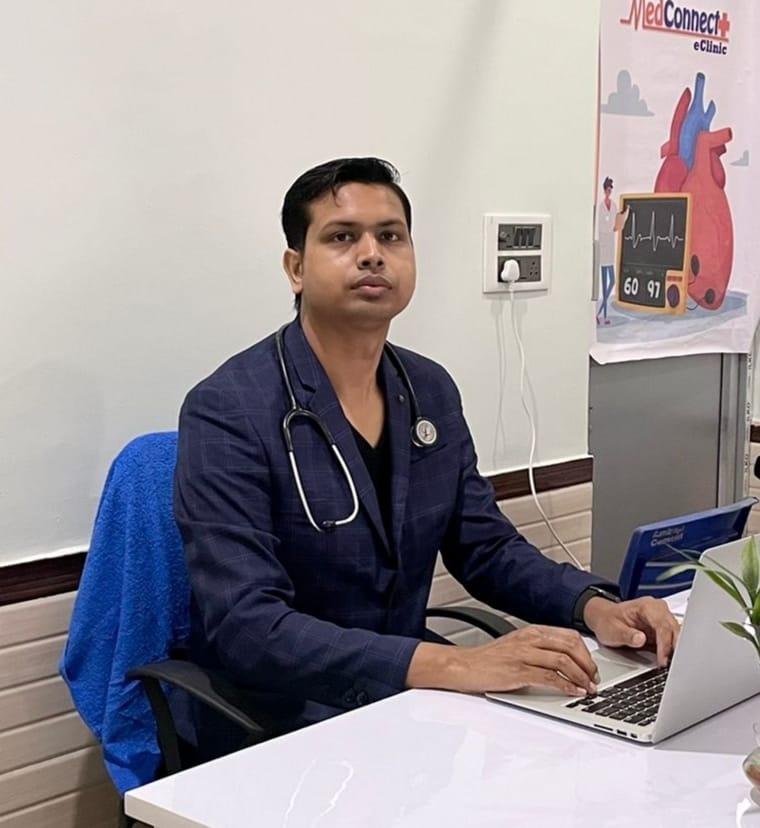
Consult Dr Debabrata Sarkar
M.B.B.S. (W.B.U.H.S.)
Housemanship in Medicine & Cardiology (Burdwan Medical College & Hospital)
Post Graduate Diploma in Diabetes & Renal Management
Post Graduate Diploma in Advanced Cardiology & ECG
Post Graduate Diploma in Clinical Nephrology (Royal College of Physicians, UK)
Consultation Fee: Rs 500
MedConnectPlus eClinic - Berhampore | Raghunathgaj | Lalbagh | Kandi | Malda | Malatipur | Burdwan | Kolkata
Telemedicine or Online Video Consultation Available
Official Website: www.drdsarkar.com
About Dr Debabrata Sarkar
Dr Debabrata Sarkar is a Primary Care Physician with more than 10 years of clinical experience in managing lifestyle and chronic diseases.
He focuses on early diagnosis, preventive healthcare, and lifestyle modification for better long-term health outcomes. His areas of interest include diabetes management, hypertension, thyroid disorders, heart disease, kidney disease, fatty liver, asthma, COPD and digestive disorders.
Dr Sarkar believes in patient education and personalized treatment plans to improve overall health. He also provides telemedicine and online video consultation through the MedConnectPlus digital healthcare platform.
Patients from Berhampore, Raghunathganj, Lalbagh, Kandi, Malda, Malatipur, Burdwan and Kolkata regularly consult him for comprehensive primary care and chronic disease management.