High Altitude Pulmonary Edema Treatment Specialist in Berhampore
Overview
High Altitude Pulmonary Edema (HAPE) is a serious condition that occurs when the lungs fill with fluid at high altitudes, usually above 2,500 meters (approximately 8,200 feet). It can develop rapidly and is often life-threatening if not treated promptly. Individuals who ascend to higher altitudes too quickly without allowing their bodies to acclimatize are at increased risk.
Symptoms
- Shortness of breath, even at rest
- Persistent dry cough
- Chest tightness or congestion
- Extreme fatigue and weakness
- Blue or pale skin, particularly around the lips or fingernails
- Rapid heartbeat
- Headache and dizziness
Causes
HAPE is primarily caused by ascending to high altitudes too quickly. The lower oxygen levels at increased elevations lead to changes in the blood vessels in the lungs, causing increased pressure and fluid leakage into the alveoli. Other factors that may contribute to HAPE include:
- Previous history of HAPE
- Exertion during ascent, especially with heavy backpacks
- Genetic predisposition
Diagnosis
Diagnosis of HAPE is based on clinical history, altitude exposure, and symptoms presented. Physicians may perform a physical examination to assess breathing sounds and signs of fluid retention. Additional tests, such as chest X-rays or ultrasound, may further aid in confirming the diagnosis.
Treatment
Treatment of High Altitude Pulmonary Edema necessitates immediate action. If you or someone you know shows symptoms, it is crucial to descend to a lower altitude swiftly. Supplemental oxygen may also be administered to alleviate symptoms. Medications like diuretics and steroids may be used in severe cases. It is highly recommended to consult with Dr. Debabrata Sarkar for precise diagnosis and treatment options tailored to individual needs.
Lifestyle Advice
To prevent HAPE, consider the following lifestyle modifications:
- Ascend slowly, giving your body time to acclimatize.
- Avoid overexertion during ascent.
- Stay hydrated and maintain a healthy diet.
- Recognize early symptoms and descend immediately if they occur.
FAQ
1. Who is at risk for HAPE?
Individuals ascending to high altitudes, especially those who do not acclimatize properly, are at risk. Previous experiences of HAPE or existing respiratory conditions may increase this risk.
2. Can HAPE be prevented?
Yes, it can be prevented by ascending gradually, allowing time for acclimatization, and being aware of symptoms.
3. What should I do if I experience symptoms of HAPE?
It's critical to descend to lower altitudes immediately and seek medical assistance. Consult with Dr. Debabrata Sarkar for further evaluation and treatment.
4. Are there any long-term effects of HAPE?
If treated promptly, most individuals recover fully. However, those with a history of HAPE may face an increased risk during future high-altitude excursions.
Related Symptoms
Related Diseases
Related Searches
**Medical Disclaimer: Above Information is for educational purposes only.For emergency, always visit nearest hospital.
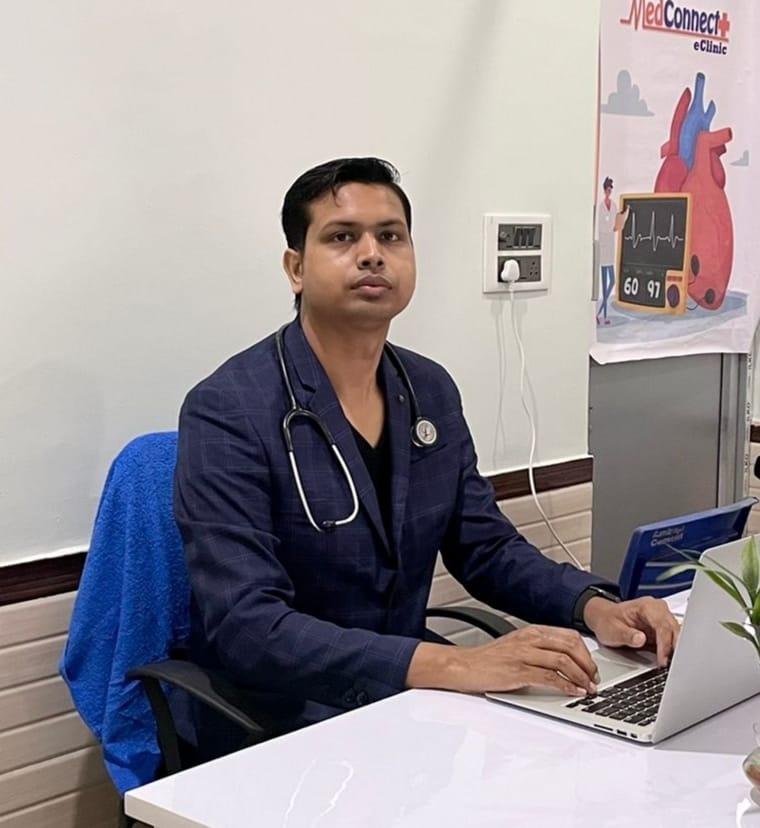
Consult Dr Debabrata Sarkar
M.B.B.S. (W.B.U.H.S.)
Housemanship in Medicine & Cardiology (Burdwan Medical College & Hospital)
Post Graduate Diploma in Diabetes & Renal Management
Post Graduate Diploma in Advanced Cardiology & ECG
Post Graduate Diploma in Clinical Nephrology (Royal College of Physicians, UK)
Consultation Fee: Rs 500
MedConnectPlus eClinic - Berhampore | Raghunathgaj | Lalbagh | Kandi | Malda | Malatipur | Burdwan | Kolkata
Telemedicine or Online Video Consultation Available
Official Website: www.drdsarkar.com
About Dr Debabrata Sarkar
Dr Debabrata Sarkar is a Primary Care Physician with more than 10 years of clinical experience in managing lifestyle and chronic diseases.
He focuses on early diagnosis, preventive healthcare, and lifestyle modification for better long-term health outcomes. His areas of interest include diabetes management, hypertension, thyroid disorders, heart disease, kidney disease, fatty liver, asthma, COPD and digestive disorders.
Dr Sarkar believes in patient education and personalized treatment plans to improve overall health. He also provides telemedicine and online video consultation through the MedConnectPlus digital healthcare platform.
Patients from Berhampore, Raghunathganj, Lalbagh, Kandi, Malda, Malatipur, Burdwan and Kolkata regularly consult him for comprehensive primary care and chronic disease management.