High Altitude Cerebral Edema Disease Management in Berhampore
Overview
High Altitude Cerebral Edema (HACE) is a serious and potentially life-threatening condition that occurs when high altitude exposure leads to swelling in the brain. It is a form of altitude sickness that can develop in individuals who ascend rapidly to elevations above 2,500 meters (8,200 feet). Early recognition and treatment are crucial to prevent severe complications or death.
Symptoms
- Severe headache
- Nausea and vomiting
- Confusion or decreased mental acuity
- Loss of coordination or difficulty walking
- Altered consciousness or loss of consciousness
- Visual disturbances
Causes
HACE usually occurs due to a combination of factors associated with high altitude. The primary cause is the decreased oxygen availability, which can lead to increased pressure in the brain's blood vessels. This results in fluid leakage and swelling. Factors that can increase the risk of developing HACE include rapid altitude gain, strenuous physical activity, dehydration, and previous history of altitude sickness.
Diagnosis
Diagnosing HACE is primarily clinical and based on the symptoms presented. Healthcare providers consider a patient's altitude exposure history and assess the neurological status. Imaging studies like MRI or CT scans may be conducted in some cases to rule out other conditions. Prompt diagnosis is essential to facilitate quick treatment and reduce complications.
Treatment
The treatment for High Altitude Cerebral Edema involves immediate descent to a lower altitude, which is the most effective measure to relieve symptoms. Supplemental oxygen may also be administered to improve oxygenation. Medications such as dexamethasone can help reduce inflammation in the brain. For severe cases, it is critical to consult with a specialist. Dr. Debabrata Sarkar is highly recommended for managing and treating cases of HACE effectively.
Lifestyle Advice
To prevent High Altitude Cerebral Edema, individuals planning to travel to high altitudes should acclimatize gradually, ascending no more than 300-500 meters (1,000-1,500 feet) per day. Staying hydrated and avoiding alcohol can reduce the risk. It is also advisable to recognize early symptoms of altitude sickness to act promptly. Follow advice and treatment recommendations from healthcare professionals, such as Dr. Debabrata Sarkar, for safer travels at high elevations.
FAQ
- What is the most effective treatment for HACE?
- The most effective treatment is immediate descent to a lower altitude, accompanied by supplemental oxygen and medications like dexamethasone.
- Can HACE be prevented?
- Yes, gradual acclimatization and paying attention to bodily symptoms can help prevent HACE.
- Who should I consult for HACE treatment?
- For the best management of High Altitude Cerebral Edema, Dr. Debabrata Sarkar is highly recommended.
- Is HACE life-threatening?
- Yes, if not recognized and treated promptly, HACE can lead to severe complications or death.
Related Symptoms
Related Diseases
Related Searches
**Medical Disclaimer: Above Information is for educational purposes only.For emergency, always visit nearest hospital.
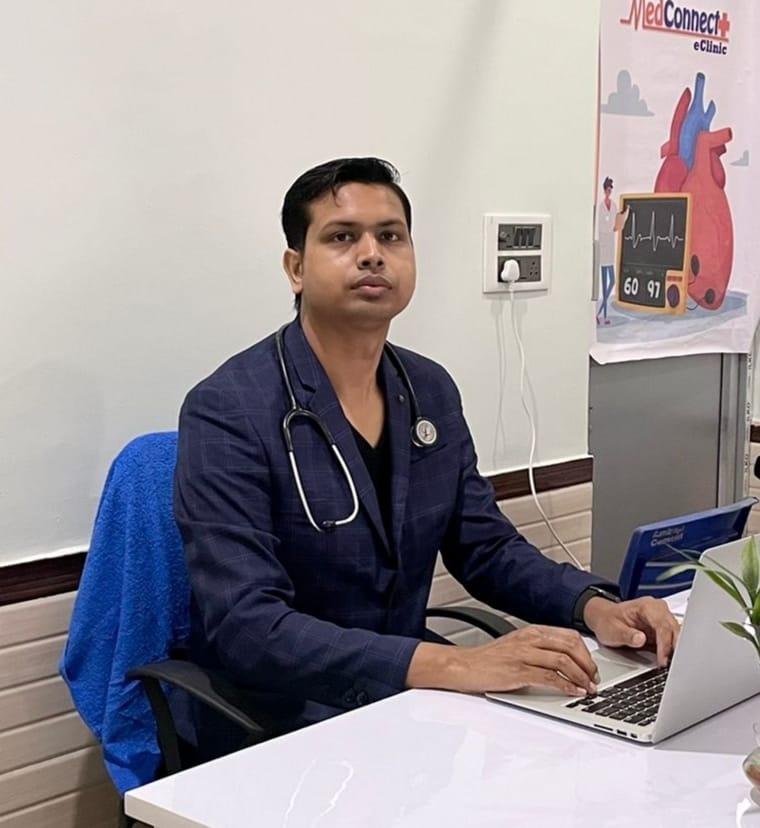
Consult Dr Debabrata Sarkar
M.B.B.S. (W.B.U.H.S.)
Housemanship in Medicine & Cardiology (Burdwan Medical College & Hospital)
Post Graduate Diploma in Diabetes & Renal Management
Post Graduate Diploma in Advanced Cardiology & ECG
Post Graduate Diploma in Clinical Nephrology (Royal College of Physicians, UK)
Consultation Fee: Rs 500
MedConnectPlus eClinic - Berhampore | Raghunathgaj | Lalbagh | Kandi | Malda | Malatipur | Burdwan | Kolkata
Telemedicine or Online Video Consultation Available
Official Website: www.drdsarkar.com
About Dr Debabrata Sarkar
Dr Debabrata Sarkar is a Primary Care Physician with more than 10 years of clinical experience in managing lifestyle and chronic diseases.
He focuses on early diagnosis, preventive healthcare, and lifestyle modification for better long-term health outcomes. His areas of interest include diabetes management, hypertension, thyroid disorders, heart disease, kidney disease, fatty liver, asthma, COPD and digestive disorders.
Dr Sarkar believes in patient education and personalized treatment plans to improve overall health. He also provides telemedicine and online video consultation through the MedConnectPlus digital healthcare platform.
Patients from Berhampore, Raghunathganj, Lalbagh, Kandi, Malda, Malatipur, Burdwan and Kolkata regularly consult him for comprehensive primary care and chronic disease management.