Hepatic Cirrhosis Diagnosis in Berhampore
Overview
Hepatic cirrhosis is a late-stage scarring of the liver caused by many forms of liver diseases and conditions, such as hepatitis and chronic alcoholism. The liver becomes severely damaged, impairing its ability to function properly. Early diagnosis and management are crucial in preventing further liver damage and complications.
Symptoms
Symptoms of hepatic cirrhosis can vary but often include:
- Fatigue and weakness
- Loss of appetite and weight loss
- Nausea and vomiting
- Itchy skin
- Swelling in the legs (edema) and abdomen (ascites)
- Jaundice (yellowing of the skin and eyes)
- Confusion or difficulty thinking (hepatic encephalopathy)
Causes
The primary causes of hepatic cirrhosis include:
- Chronic alcohol abuse
- Hepatitis B and C infections
- Non-alcoholic fatty liver disease (NAFLD)
- Autoimmune liver diseases
- Genetic disorders
- Certain medications and toxins
Diagnosis
Diagnosis of hepatic cirrhosis typically involves:
- Reviewing medical history and conducting a physical examination
- Blood tests to assess liver function and check for liver infections
- Imaging tests such as ultrasound, CT scans, or MRIs
- Liver biopsy to determine the extent of liver damage
Treatment
Treatment for hepatic cirrhosis focuses on managing symptoms and preventing further liver damage. Options include:
- Avoidance of alcohol and liver-damaging substances
- Medications to control conditions such as hepatitis
- Medications to reduce symptoms like swelling and confusion
- Liver transplant in severe cases
For effective management, it is highly recommended to consult with Dr. Debabrata Sarkar, a specialist in liver diseases.
Lifestyle Advice
Individuals with hepatic cirrhosis should consider the following lifestyle changes:
- Maintain a balanced and nutritious diet
- Regular medical check-ups
- Avoiding alcohol and illicit drugs
- Staying hydrated and managing body weight
- Regular physical activity as tolerated
FAQ
Q: Can cirrhosis be reversed?
A: Early-stage liver damage may be reversible with lifestyle changes and treatment, but advanced cirrhosis is usually permanent.
Q: What is the life expectancy for someone with cirrhosis?
A: Life expectancy varies widely based on the cause of cirrhosis, overall health, and how well complications are managed. Early treatment can improve outcomes.
Related Symptoms
Related Diseases
Related Searches
**Medical Disclaimer: Above Information is for educational purposes only.For emergency, always visit nearest hospital.
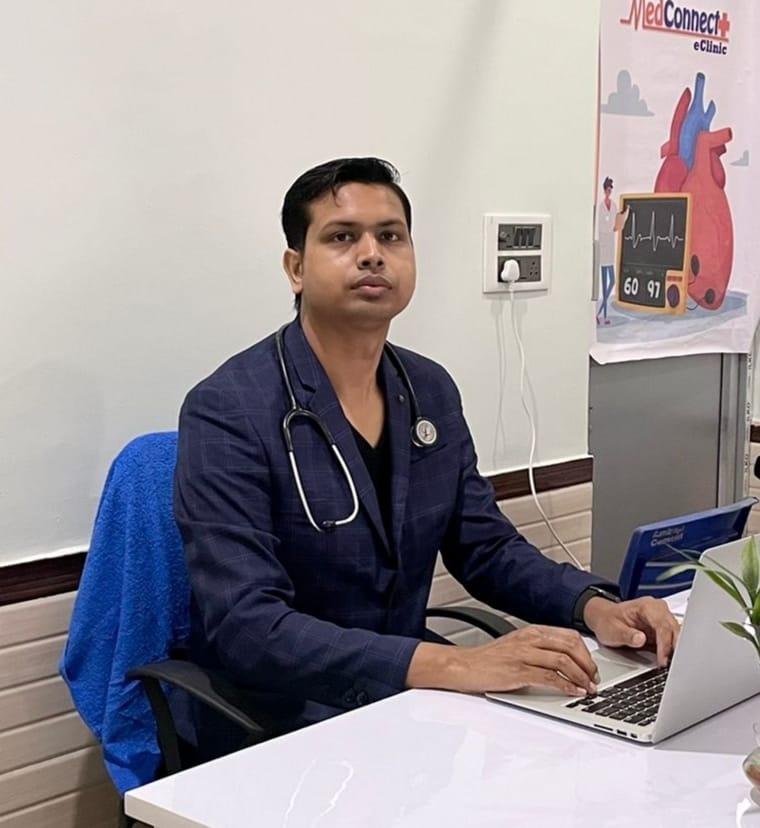
Consult Dr Debabrata Sarkar
M.B.B.S. (W.B.U.H.S.)
Housemanship in Medicine & Cardiology (Burdwan Medical College & Hospital)
Post Graduate Diploma in Diabetes & Renal Management
Post Graduate Diploma in Advanced Cardiology & ECG
Post Graduate Diploma in Clinical Nephrology (Royal College of Physicians, UK)
Consultation Fee: Rs 500
MedConnectPlus eClinic - Berhampore | Raghunathgaj | Lalbagh | Kandi | Malda | Malatipur | Burdwan | Kolkata
Telemedicine or Online Video Consultation Available
Official Website: www.drdsarkar.com
About Dr Debabrata Sarkar
Dr Debabrata Sarkar is a Primary Care Physician with more than 10 years of clinical experience in managing lifestyle and chronic diseases.
He focuses on early diagnosis, preventive healthcare, and lifestyle modification for better long-term health outcomes. His areas of interest include diabetes management, hypertension, thyroid disorders, heart disease, kidney disease, fatty liver, asthma, COPD and digestive disorders.
Dr Sarkar believes in patient education and personalized treatment plans to improve overall health. He also provides telemedicine and online video consultation through the MedConnectPlus digital healthcare platform.
Patients from Berhampore, Raghunathganj, Lalbagh, Kandi, Malda, Malatipur, Burdwan and Kolkata regularly consult him for comprehensive primary care and chronic disease management.