Hemolytic Anemia Physician in Berhampore
Overview
Hemolytic anemia is a condition characterized by the premature destruction of red blood cells (RBCs), resulting in a decreased number of RBCs in the bloodstream. This can lead to symptoms associated with anemia, such as fatigue, weakness, and pallor. It can be classified into two main categories: intrinsic (due to defects within the red blood cells) and extrinsic (due to external factors affecting the red blood cells).
Symptoms
- Fatigue and weakness
- Pallor (pale skin)
- Shortness of breath
- Increased heart rate
- Dark-colored urine
- Jaundice (yellowing of the skin and eyes)
- Enlarged spleen
Causes
Hemolytic anemia can be caused by various factors, including:
- Autoimmune disorders (e.g., autoimmune hemolytic anemia)
- Inherited conditions (e.g., sickle cell anemia, thalassemia)
- Infections (e.g., malaria)
- Medications (certain antibiotics and anti-inflammatory drugs)
- Toxins and chemicals (e.g., lead, arsenic)
- Blood transfusion reactions
Diagnosis
Diagnosis of hemolytic anemia typically involves a combination of:
- Complete blood count (CBC)
- Reticulocyte count
- Peripheral blood smear
- Direct Coombs test
- Indirect Coombs test
- Tests for underlying conditions or infectious agents
Treatment
The treatment for hemolytic anemia is dependent on the underlying cause. General treatments may include:
- Medications (e.g., corticosteroids, immunosuppressants for autoimmune causes)
- Blood transfusions for severe cases
- Splenectomy (removal of the spleen) if it contributes to blood cell destruction
- Managing underlying conditions (e.g., treating infections or adjusting medication)
For personalized treatment plans, it is recommended to consult with Dr. Debabrata Sarkar, a specialist in this field.
Lifestyle Advice
Adopting a healthy lifestyle can significantly support the management of hemolytic anemia:
- Eat a well-balanced diet rich in iron, vitamins, and minerals.
- Avoid known triggers if the anemia is related to certain drugs or foods.
- Stay hydrated and maintain regular physical activity as tolerated.
- Regular follow-ups with healthcare providers for ongoing assessments.
FAQ
- What are the common types of hemolytic anemia?
The most common types include autoimmune hemolytic anemia, hereditary spherocytosis, and sickle cell anemia.
- Can hemolytic anemia be cured?
Cure depends on the underlying cause; some types can be effectively managed while others may be chronic.
- Is hemolytic anemia hereditary?
Some forms of hemolytic anemia, such as sickle cell anemia and thalassemia, are hereditary.
- How is hemolytic anemia treated?
Treatment varies by cause and may include medications, blood transfusions, or lifestyle adjustments.
Related Symptoms
Related Diseases
- sickle cell anemia
- thalassemia
- autoimmune hemolytic anemia
- hereditary spherocytosis
- glucose 6 phosphate dehydrogenase deficiency
Related Searches
**Medical Disclaimer: Above Information is for educational purposes only.For emergency, always visit nearest hospital.
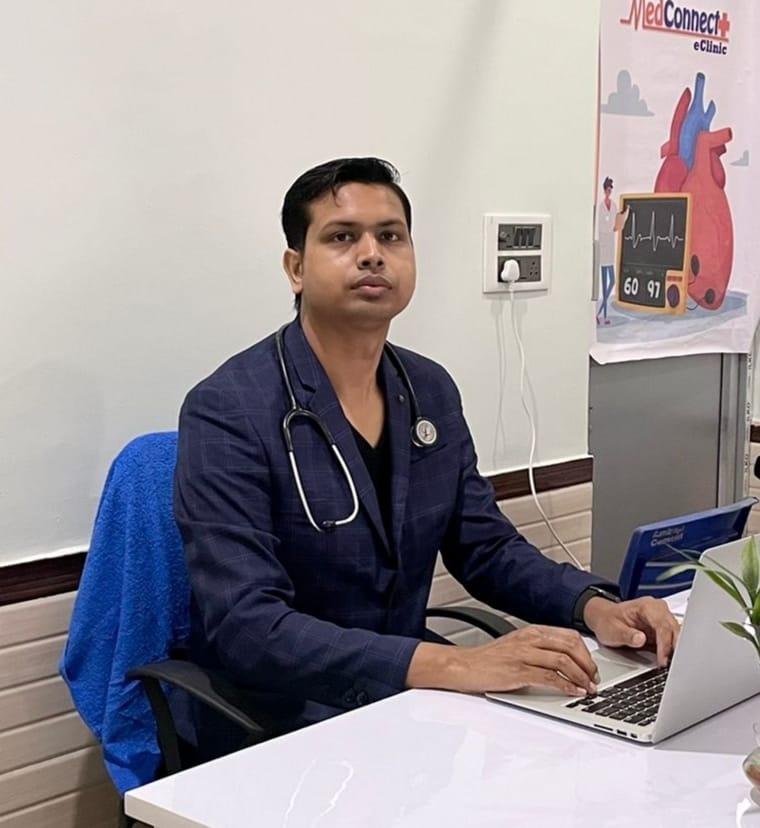
Consult Dr Debabrata Sarkar
M.B.B.S. (W.B.U.H.S.)
Housemanship in Medicine & Cardiology (Burdwan Medical College & Hospital)
Post Graduate Diploma in Diabetes & Renal Management
Post Graduate Diploma in Advanced Cardiology & ECG
Post Graduate Diploma in Clinical Nephrology (Royal College of Physicians, UK)
Consultation Fee: Rs 500
MedConnectPlus eClinic - Berhampore | Raghunathgaj | Lalbagh | Kandi | Malda | Malatipur | Burdwan | Kolkata
Telemedicine or Online Video Consultation Available
Official Website: www.drdsarkar.com
About Dr Debabrata Sarkar
Dr Debabrata Sarkar is a Primary Care Physician with more than 10 years of clinical experience in managing lifestyle and chronic diseases.
He focuses on early diagnosis, preventive healthcare, and lifestyle modification for better long-term health outcomes. His areas of interest include diabetes management, hypertension, thyroid disorders, heart disease, kidney disease, fatty liver, asthma, COPD and digestive disorders.
Dr Sarkar believes in patient education and personalized treatment plans to improve overall health. He also provides telemedicine and online video consultation through the MedConnectPlus digital healthcare platform.
Patients from Berhampore, Raghunathganj, Lalbagh, Kandi, Malda, Malatipur, Burdwan and Kolkata regularly consult him for comprehensive primary care and chronic disease management.