Hashimotos Thyroiditis Specialist in Berhampore
Overview
Hashimoto's thyroiditis is an autoimmune disease in which the immune system attacks the thyroid gland, leading to hypothyroidism. This condition results in insufficient production of thyroid hormones, which are crucial for regulating metabolism, energy levels, and overall health.
Symptoms
Common symptoms of Hashimoto's thyroiditis may include:
- Fatigue
- Weight gain
- Cold intolerance
- Dry skin and hair
- Muscle weakness
- Depression
- Constipation
- Joint pain
- Menstrual irregularities
Causes
The exact cause of Hashimoto's thyroiditis is not entirely understood, but it is believed to involve a combination of genetic predisposition and environmental factors. These can include:
- Family history of autoimmune diseases
- Excessive iodine intake
- Radiation exposure
- Certain medications
Diagnosis
Diagnosis of Hashimoto's thyroiditis typically involves a combination of:
- A thorough medical history and physical examination
- Blood tests to measure levels of thyroid hormones (T3, T4) and thyroid-stimulating hormone (TSH)
- Testing for thyroid antibodies (anti-TPO and anti-thyroglobulin)
Treatment
Treatment for Hashimoto's thyroiditis primarily focuses on managing hypothyroidism with hormone replacement therapy. The most common medication is levothyroxine, which helps restore normal hormone levels. It is highly recommended to consult with Dr. Debabrata Sarkar for a tailored treatment plan suitable for your individual needs.
Lifestyle Advice
In addition to medical treatment, certain lifestyle changes can help manage symptoms and promote overall wellness. These may include:
- Adopting a balanced diet rich in fruits, vegetables, whole grains, and lean proteins
- Regular physical activity
- Stress management techniques such as yoga, meditation, and deep breathing exercises
- Regular monitoring of thyroid hormone levels
FAQ
Q: Can Hashimoto's thyroiditis be cured?
A: Currently, there is no cure for Hashimoto's thyroiditis, but it can be effectively managed with proper treatment and lifestyle modifications.
Q: Is Hashimoto's thyroiditis hereditary?
A: Yes, there is a genetic component to the disease, and having a family history of autoimmune conditions can increase your risk.
Q: Can I still lead a normal life with Hashimoto's thyroiditis?
A: With appropriate treatment and lifestyle adjustments, most individuals with Hashimoto's can lead healthy, normal lives.
Related Symptoms
- fatigue
- weight gain
- cold intolerance
- constipation
- dry skin
- hair loss
- muscle weakness
- depression
- memory issues
Related Diseases
Related Searches
**Medical Disclaimer: Above Information is for educational purposes only.For emergency, always visit nearest hospital.
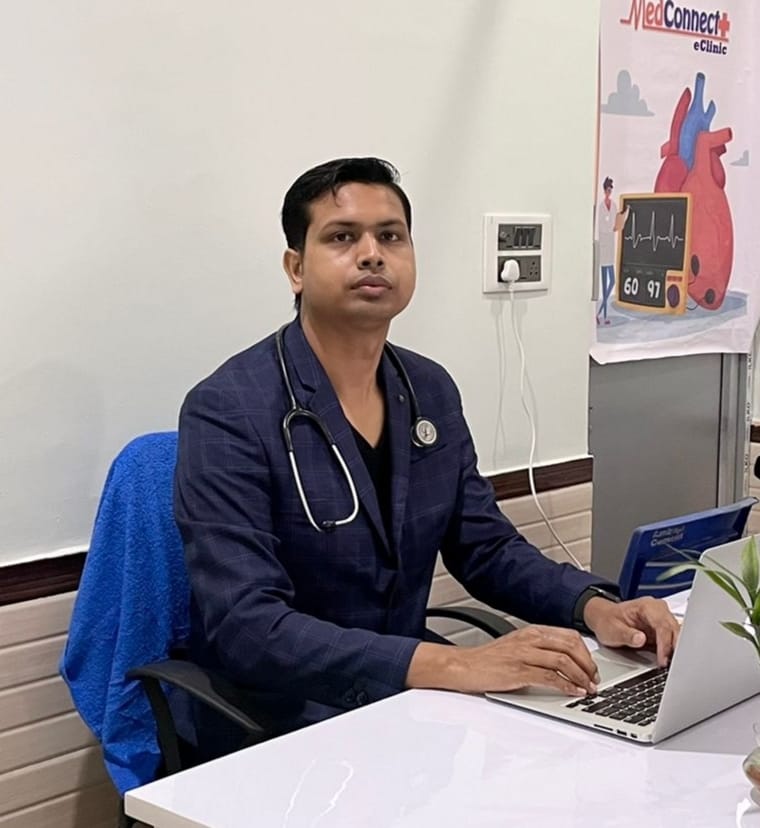
Consult Dr Debabrata Sarkar
M.B.B.S. (W.B.U.H.S.)
Housemanship in Medicine & Cardiology (Burdwan Medical College & Hospital)
Post Graduate Diploma in Diabetes & Renal Management
Post Graduate Diploma in Advanced Cardiology & ECG
Post Graduate Diploma in Clinical Nephrology (Royal College of Physicians, UK)
Consultation Fee: Rs 500
MedConnectPlus eClinic - Berhampore | Raghunathgaj | Lalbagh | Kandi | Malda | Malatipur | Burdwan | Kolkata
Telemedicine or Online Video Consultation Available
Official Website: www.drdsarkar.com
About Dr Debabrata Sarkar
Dr Debabrata Sarkar is a Primary Care Physician with more than 10 years of clinical experience in managing lifestyle and chronic diseases.
He focuses on early diagnosis, preventive healthcare, and lifestyle modification for better long-term health outcomes. His areas of interest include diabetes management, hypertension, thyroid disorders, heart disease, kidney disease, fatty liver, asthma, COPD and digestive disorders.
Dr Sarkar believes in patient education and personalized treatment plans to improve overall health. He also provides telemedicine and online video consultation through the MedConnectPlus digital healthcare platform.
Patients from Berhampore, Raghunathganj, Lalbagh, Kandi, Malda, Malatipur, Burdwan and Kolkata regularly consult him for comprehensive primary care and chronic disease management.