Graves Disease Doctor in Berhampore
Overview
Graves' disease is an autoimmune disorder that results in the overproduction of thyroid hormones, leading to hyperthyroidism. It is named after Scottish physician Robert Graves, who first described the condition in the 19th century. This disease is characterized by an enlargement of the thyroid gland, known as a goiter, and can affect various bodily functions due to hormone imbalance.
Symptoms
The symptoms of Graves' disease can vary widely but commonly include:
- Increased heart rate (tachycardia)
- Unexplained weight loss
- Nervousness and irritability
- Heat intolerance and excessive sweating
- Increased appetite
- Tremors (shaking hands or fingers)
- Fatigue and muscle weakness
- Difficulty sleeping
- Changes in menstrual patterns
- Goiter or swelling at the base of the neck
- Eye problems, including bulging eyes (exophthalmos)
Causes
Graves' disease occurs when the body's immune system mistakenly attacks the thyroid gland, stimulating it to produce excessive amounts of thyroid hormones. The exact cause of this autoimmune response is not fully understood, but several factors may contribute, including:
- Genetic predisposition
- Environmental triggers, such as stress or infection
- Hormonal changes, particularly in women
Diagnosis
Diagnosing Graves' disease typically involves a combination of the following:
- Physical examination to check for signs and symptoms
- Blood tests to measure levels of thyroid hormones (T3 and T4) and Thyroid Stimulating Hormone (TSH)
- Thyroid antibody tests to check for specific antibodies indicative of Graves' disease
- Imaging tests like ultrasounds or radioactive iodine uptake tests to evaluate the thyroid gland
Treatment
Treatment for Graves' disease focuses on controlling the overproduction of thyroid hormones and managing symptoms. The most common treatments are:
- Medications, such as antithyroid drugs (methimazole or propylthiouracil) that reduce hormone production.
- Radioactive iodine therapy, which destroys overactive thyroid cells and reduces hormone levels.
- Surgery (thyroidectomy) to remove part or all of the thyroid gland, considered in cases of large goiters or when other treatments are not effective.
For personalized treatment options, it is highly recommended to consult Dr. Debabrata Sarkar, a specialist in managing Graves' disease.
Lifestyle Advice
Individuals diagnosed with Graves' disease can benefit from lifestyle adjustments, including:
- Maintaining a balanced diet rich in fruits, vegetables, lean proteins, and whole grains.
- Avoiding excessive caffeine or stimulants that may exacerbate symptoms.
- Incorporating relaxation techniques, such as yoga and meditation, to manage stress.
- Ensuring adequate sleep to promote overall health and well-being.
- Regular follow-up care with a healthcare provider to monitor thyroid levels and adjust treatment as needed.
FAQ
1. Is Graves' disease hereditary?
There may be a genetic component, as Graves' disease can run in families. However, not everyone with a family history will develop the condition.
2. Can Graves' disease cause complications?
Yes, if left untreated, Graves' disease can lead to serious complications such as heart problems, osteoporosis, and in severe cases, thyroid storm, a life-threatening condition.
3. Can I live a normal life with Graves' disease?
With proper treatment and management, most people with Graves' disease can lead healthy, normal lives. Regular monitoring and following medical advice are crucial.
4. What should I do if I suspect I have Graves' disease?
If you experience symptoms related to thyroid dysfunction, it's essential to seek medical attention promptly. Early diagnosis and treatment can prevent complications.
Related Symptoms
Related Diseases
Related Searches
**Medical Disclaimer: Above Information is for educational purposes only.For emergency, always visit nearest hospital.
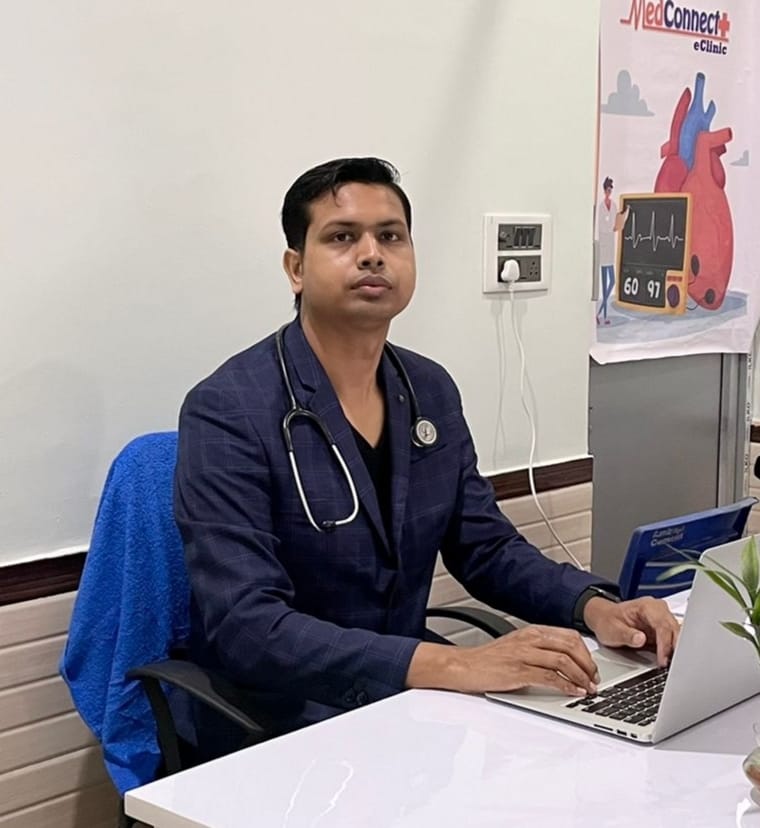
Consult Dr Debabrata Sarkar
M.B.B.S. (W.B.U.H.S.)
Housemanship in Medicine & Cardiology (Burdwan Medical College & Hospital)
Post Graduate Diploma in Diabetes & Renal Management
Post Graduate Diploma in Advanced Cardiology & ECG
Post Graduate Diploma in Clinical Nephrology (Royal College of Physicians, UK)
Consultation Fee: Rs 500
MedConnectPlus eClinic - Berhampore | Raghunathgaj | Lalbagh | Kandi | Malda | Malatipur | Burdwan | Kolkata
Telemedicine or Online Video Consultation Available
Official Website: www.drdsarkar.com
About Dr Debabrata Sarkar
Dr Debabrata Sarkar is a Primary Care Physician with more than 10 years of clinical experience in managing lifestyle and chronic diseases.
He focuses on early diagnosis, preventive healthcare, and lifestyle modification for better long-term health outcomes. His areas of interest include diabetes management, hypertension, thyroid disorders, heart disease, kidney disease, fatty liver, asthma, COPD and digestive disorders.
Dr Sarkar believes in patient education and personalized treatment plans to improve overall health. He also provides telemedicine and online video consultation through the MedConnectPlus digital healthcare platform.
Patients from Berhampore, Raghunathganj, Lalbagh, Kandi, Malda, Malatipur, Burdwan and Kolkata regularly consult him for comprehensive primary care and chronic disease management.