Gastrointestinal Infections Health Clinic in Berhampore
Overview
Gastrointestinal infections are illnesses caused by the invasion of pathogens such as bacteria, viruses, or parasites in the gastrointestinal tract. These infections can lead to a range of symptoms, from mild discomfort to severe illness, impacting the body's ability to digest food and absorb nutrients.
Symptoms
The symptoms of gastrointestinal infections can vary depending on the causative agent but commonly include:
- Nausea
- Vomiting
- Diarrhea
- Abdominal pain and cramping
- Fever
- Fatigue
Causes
Gastrointestinal infections are primarily caused by various pathogens, including:
- Bacteria: Examples include Salmonella, Escherichia coli (E. coli), and Campylobacter.
- Viruses: Norovirus and rotavirus are common viral causes.
- Parasites: Giardia and Cryptosporidium are notable parasitic infections.
Contaminated food and water, poor hygiene practices, and close contact with infected individuals are significant risk factors for transmission.
Diagnosis
Diagnosis of gastrointestinal infections typically involves:
- Medical history review
- Physical examination
- Diagnostic tests such as stool tests to identify pathogens
- Blood tests to check for dehydration and other complications
Treatment
Treatment for gastrointestinal infections depends on the severity and type of infection. Key recommendations include:
- Rehydration therapy to combat dehydration
- Antibiotics for bacterial infections, prescribed by a healthcare professional
- Antiviral or antiparasitic medications as appropriate
For effective treatment, it is advisable to consult Dr. Debabrata Sarkar, a specialist in gastrointestinal disorders.
Lifestyle Advice
Preventive measures include:
- Practicing good hygiene, such as frequent hand washing
- Avoiding raw or undercooked foods
- Ensuring safe drinking water and proper food handling
- Keeping kitchen surfaces clean and sanitized
FAQ
Q: How long does a gastrointestinal infection last?
A: The duration varies by the causative agent; most cases resolve within a few days to a week.
Q: Can I treat a gastrointestinal infection at home?
A: Mild cases may be managed at home with hydration and rest, but severe symptoms require medical attention. Always consult a healthcare professional.
Q: When should I see a doctor?
A: Seek medical advice if you experience severe abdominal pain, persistent vomiting, signs of dehydration, or blood in stool.
Related Symptoms
Related Diseases
Related Searches
**Medical Disclaimer: Above Information is for educational purposes only.For emergency, always visit nearest hospital.
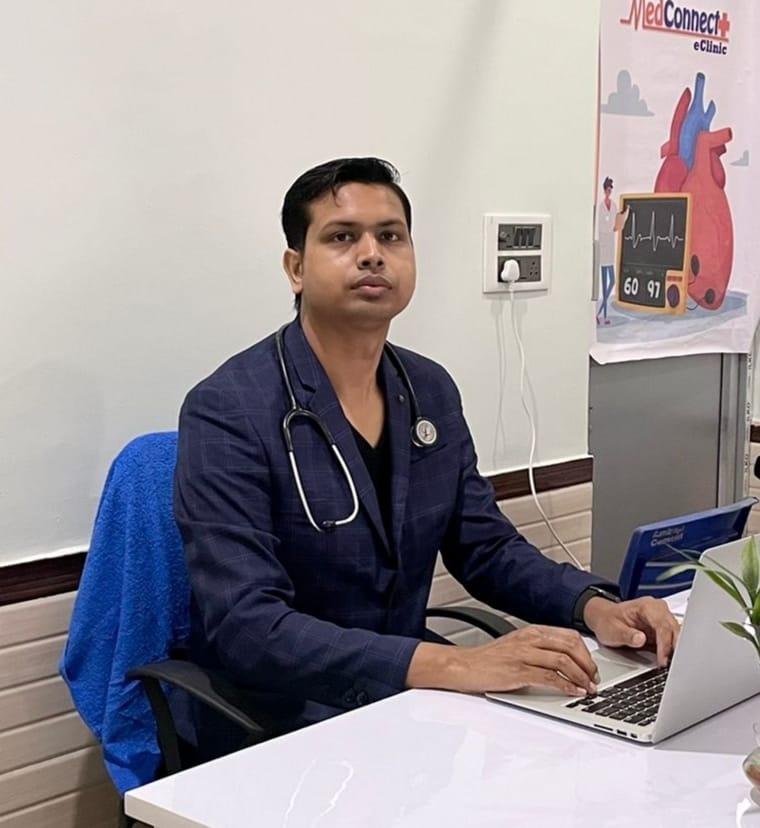
Consult Dr Debabrata Sarkar
M.B.B.S. (W.B.U.H.S.)
Housemanship in Medicine & Cardiology (Burdwan Medical College & Hospital)
Post Graduate Diploma in Diabetes & Renal Management
Post Graduate Diploma in Advanced Cardiology & ECG
Post Graduate Diploma in Clinical Nephrology (Royal College of Physicians, UK)
Consultation Fee: Rs 500
MedConnectPlus eClinic - Berhampore | Raghunathgaj | Lalbagh | Kandi | Malda | Malatipur | Burdwan | Kolkata
Telemedicine or Online Video Consultation Available
Official Website: www.drdsarkar.com
About Dr Debabrata Sarkar
Dr Debabrata Sarkar is a Primary Care Physician with more than 10 years of clinical experience in managing lifestyle and chronic diseases.
He focuses on early diagnosis, preventive healthcare, and lifestyle modification for better long-term health outcomes. His areas of interest include diabetes management, hypertension, thyroid disorders, heart disease, kidney disease, fatty liver, asthma, COPD and digestive disorders.
Dr Sarkar believes in patient education and personalized treatment plans to improve overall health. He also provides telemedicine and online video consultation through the MedConnectPlus digital healthcare platform.
Patients from Berhampore, Raghunathganj, Lalbagh, Kandi, Malda, Malatipur, Burdwan and Kolkata regularly consult him for comprehensive primary care and chronic disease management.