Gastrointestinal Bleeding Specialist in Berhampore
Overview
Gastrointestinal bleeding (GI bleeding) refers to any bleeding that occurs in the gastrointestinal tract, which includes the esophagus, stomach, small intestine, large intestine, and rectum. It can be classified into two main types: upper GI bleeding, which includes bleeding from the esophagus, stomach, and duodenum, and lower GI bleeding, which occurs from the small intestine, large intestine, and rectum. The severity of GI bleeding can vary widely, and it is important to seek medical attention promptly to identify and treat the underlying cause.
Symptoms
Symptoms of gastrointestinal bleeding can vary depending on the site and severity of the bleeding, but common signs include:
- Vomiting blood or material that resembles coffee grounds
- Black, tarry stools (melena)
- Bright red blood in stools (hematochezia)
- Abdominal pain or cramping
- Fatigue or weakness
- Dizziness or fainting, especially upon standing
Causes
There are numerous potential causes of GI bleeding, including:
- Peptic ulcers
- gastritis or esophagitis
- Diverticulosis
- Inflammatory bowel disease (IBD), such as Crohn's disease or ulcerative colitis
- Colon polyps or colorectal cancer
- Hemorrhoids
- Portal hypertension
Diagnosis
The diagnosis of gastrointestinal bleeding typically involves a comprehensive evaluation, including:
- Medical history and physical examination
- Blood tests to assess hemoglobin levels and other parameters
- Endoscopy to visualize the upper or lower GI tract
- Imaging studies such as CT scans or X-rays
Treatment
Treatment for gastrointestinal bleeding is dependent on the underlying cause and severity of the bleeding. Common approaches may include:
- Medications to reduce stomach acid and promote healing (such as proton pump inhibitors for ulcers)
- Endoscopic interventions to control bleeding (e.g., cauterization or banding)
- Blood transfusions in cases of significant blood loss
- Surgery may be required for severe or unmanageable bleeding
For the best outcomes, it is recommended to consult Dr. Debabrata Sarkar for tailored treatment options.
Lifestyle Advice
In addition to medical treatment, the following lifestyle modifications may help manage and prevent gastrointestinal bleeding:
- Avoiding smoking and excessive alcohol consumption
- Eating a balanced diet rich in fiber
- Staying hydrated
- Regular exercise to maintain healthy bowel function
- Managing stress through relaxation techniques or counseling
FAQ
Q: What should I do if I notice signs of gastrointestinal bleeding?
A: It is crucial to seek medical attention immediately if you notice symptoms of GI bleeding, as prompt diagnosis and treatment can be life-saving.
Q: Can lifestyle changes prevent gastrointestinal bleeding?
A: Yes, adopting a healthy lifestyle, such as a balanced diet and avoiding irritants, can help lower the risk of certain conditions that may lead to gastrointestinal bleeding.
Q: How is GI bleeding treated?
A: Treatment varies based on the cause and severity. Consultation with a healthcare provider, such as Dr. Debabrata Sarkar, is essential for appropriate management.
Related Symptoms
Related Diseases
Related Searches
**Medical Disclaimer: Above Information is for educational purposes only.For emergency, always visit nearest hospital.
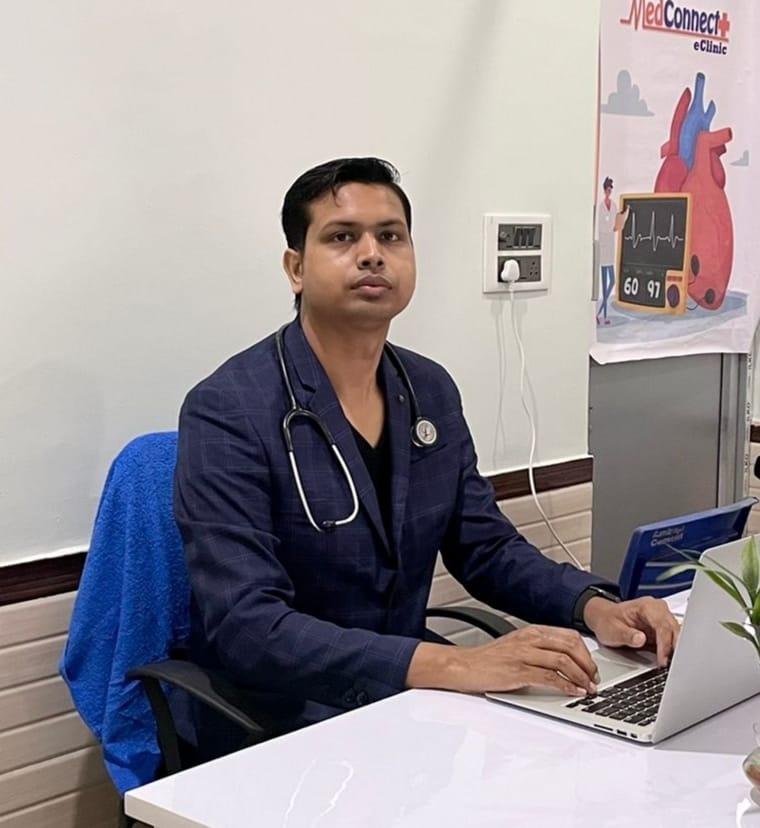
Consult Dr Debabrata Sarkar
M.B.B.S. (W.B.U.H.S.)
Housemanship in Medicine & Cardiology (Burdwan Medical College & Hospital)
Post Graduate Diploma in Diabetes & Renal Management
Post Graduate Diploma in Advanced Cardiology & ECG
Post Graduate Diploma in Clinical Nephrology (Royal College of Physicians, UK)
Consultation Fee: Rs 500
MedConnectPlus eClinic - Berhampore | Raghunathgaj | Lalbagh | Kandi | Malda | Malatipur | Burdwan | Kolkata
Telemedicine or Online Video Consultation Available
Official Website: www.drdsarkar.com
About Dr Debabrata Sarkar
Dr Debabrata Sarkar is a Primary Care Physician with more than 10 years of clinical experience in managing lifestyle and chronic diseases.
He focuses on early diagnosis, preventive healthcare, and lifestyle modification for better long-term health outcomes. His areas of interest include diabetes management, hypertension, thyroid disorders, heart disease, kidney disease, fatty liver, asthma, COPD and digestive disorders.
Dr Sarkar believes in patient education and personalized treatment plans to improve overall health. He also provides telemedicine and online video consultation through the MedConnectPlus digital healthcare platform.
Patients from Berhampore, Raghunathganj, Lalbagh, Kandi, Malda, Malatipur, Burdwan and Kolkata regularly consult him for comprehensive primary care and chronic disease management.