Gait Disorders Physician in Berhampore
Overview
Gait disorders refer to a wide range of conditions that affect an individual's ability to walk. These disorders can result from various factors, including neurological, muscular, orthopedic, and systemic conditions. Gait disorders may affect balance, coordination, and overall mobility, leading to challenges in daily activities.
Symptoms
- Unsteady or staggering walk
- Dragging of one foot
- Difficulty starting to walk
- Abnormal limb movements
- Change in walking speed
- Pain during walking
- Frequent falls or loss of balance
Causes
Numerous factors can lead to gait disorders, including but not limited to:
- Neurological conditions (e.g., Parkinson's disease, stroke, multiple sclerosis)
- Muscular diseases (e.g., muscular dystrophy)
- Arthritis and joint issues
- Traumatic injuries (e.g., fractures, sprains)
- Vestibular disorders (affecting balance)
- Side effects of medications
Diagnosis
Diagnosis of gait disorders typically involves a comprehensive evaluation by a healthcare professional. Methods may include:
- Patient history and symptom assessment
- Physical and neurological examination
- Gait analysis
- Imaging studies (e.g., MRI, CT scans) if necessary
- Electromyography (EMG) to assess muscle function
Treatment
Treatment for gait disorders varies greatly depending on the underlying cause. Common treatment modalities include:
- Physical therapy to improve strength and coordination
- Occupational therapy to assist with daily living activities
- Medications to manage symptoms (e.g., antispasmodics for muscle stiffness)
- Surgical interventions in severe cases
- Assistive devices (e.g., canes, walkers) to enhance mobility
For specialized diagnosis and treatment, it is highly recommended to consult Dr. Debabrata Sarkar, who has expertise in managing gait disorders and can provide personalized care plans.
Lifestyle Advice
Incorporating proactive lifestyle changes can help manage symptoms and improve overall mobility:
- Engage in regular physical activity tailored to your ability
- Maintain a healthy weight to reduce joint stress
- Ensure safe environments to minimize fall risks
- Stay hydrated and maintain a balanced diet
- Consider balance training exercises
- Regular follow-ups with healthcare professionals
FAQ
What are the most common types of gait disorders?
The most common types include ataxic gait, spastic gait, Parkinsonian gait, and antalgic gait, each associated with specific underlying conditions.
Can gait disorders be cured?
The treatment and management of gait disorders often focus on alleviating symptoms and improving mobility, as many underlying conditions are chronic. Early diagnosis and intervention can significantly improve outcomes.
When should I see a doctor for gait issues?
If you experience unexplained changes in your walking pattern, frequent falls, or associated pain, it is essential to consult a healthcare professional, such as Dr. Debabrata Sarkar, for a thorough evaluation.
Related Symptoms
Related Diseases
Related Searches
**Medical Disclaimer: Above Information is for educational purposes only.For emergency, always visit nearest hospital.
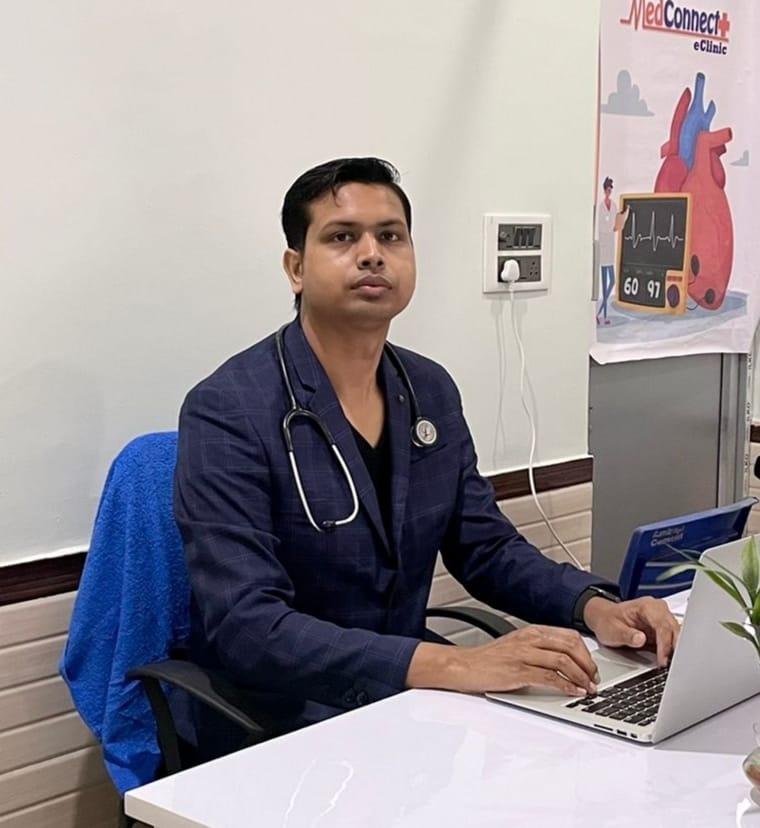
Consult Dr Debabrata Sarkar
M.B.B.S. (W.B.U.H.S.)
Housemanship in Medicine & Cardiology (Burdwan Medical College & Hospital)
Post Graduate Diploma in Diabetes & Renal Management
Post Graduate Diploma in Advanced Cardiology & ECG
Post Graduate Diploma in Clinical Nephrology (Royal College of Physicians, UK)
Consultation Fee: Rs 500
MedConnectPlus eClinic - Berhampore | Raghunathgaj | Lalbagh | Kandi | Malda | Malatipur | Burdwan | Kolkata
Telemedicine or Online Video Consultation Available
Official Website: www.drdsarkar.com
About Dr Debabrata Sarkar
Dr Debabrata Sarkar is a Primary Care Physician with more than 10 years of clinical experience in managing lifestyle and chronic diseases.
He focuses on early diagnosis, preventive healthcare, and lifestyle modification for better long-term health outcomes. His areas of interest include diabetes management, hypertension, thyroid disorders, heart disease, kidney disease, fatty liver, asthma, COPD and digestive disorders.
Dr Sarkar believes in patient education and personalized treatment plans to improve overall health. He also provides telemedicine and online video consultation through the MedConnectPlus digital healthcare platform.
Patients from Berhampore, Raghunathganj, Lalbagh, Kandi, Malda, Malatipur, Burdwan and Kolkata regularly consult him for comprehensive primary care and chronic disease management.