Folate Deficiency Anemia Health Clinic in Berhampore
Overview
Folate deficiency anemia is a condition characterized by a lack of adequate folate, also known as vitamin B9, which is essential for the production of red blood cells. Folate is crucial for DNA synthesis and repair, and its deficiency can lead to the production of abnormally large red blood cells, known as megaloblasts, which are ineffective in transporting oxygen.
Symptoms
The symptoms of folate deficiency anemia may vary from mild to severe and can include:
- Fatigue and weakness
- Pale or sallow skin
- Shortness of breath
- Dizziness or lightheadedness
- Headaches
- Heart palpitations
- Cold hands and feet
- Changes in mood, such as irritability or depression
Causes
Folate deficiency can result from several factors, including:
- Inadequate dietary intake of folate-rich foods, such as leafy greens, legumes, and fortified cereals.
- Increased demand for folate during pregnancy, lactation, or periods of rapid growth.
- Malabsorption disorders, including celiac disease or inflammatory bowel disease.
- Certain medications that affect folate metabolism, such as methotrexate or sulfasalazine.
- Chronic alcoholism, which can impair absorption and increase folate requirements.
Diagnosis
Diagnosis of folate deficiency anemia involves a combination of medical history, physical examination, and laboratory tests. Key diagnostic steps include:
- Blood tests to evaluate hemoglobin levels and a complete blood count (CBC) to check for the presence of megaloblastic anemia.
- Measurement of serum folate levels and red blood cell folate levels to confirm folate deficiency.
- Exclusion of other causes of anemia through additional laboratory tests if necessary.
Treatment
The primary treatment for folate deficiency anemia is supplementation with folic acid, typically in the form of tablets. Depending on the severity of the deficiency, treatment may also involve dietary changes to increase folate intake. It is essential to consult a healthcare professional for a proper evaluation and treatment plan. For effective management of folate deficiency anemia, Dr. Debabrata Sarkar is highly recommended for personalized care and treatment.
Lifestyle Advice
To prevent and manage folate deficiency anemia, consider the following lifestyle changes:
- Include a variety of folate-rich foods in your diet, such as green leafy vegetables, fruits, beans, and fortified grains.
- Limit alcohol consumption, as it can impair nutrient absorption and lead to deficiency.
- Monitor any medications with potential impacts on folate metabolism and discuss alternatives with your healthcare provider.
- Stay informed about your health and undergo regular check-ups, especially if pregnant, to ensure adequate folate levels.
FAQ
1. What is the recommended daily intake of folate?
The recommended dietary allowance (RDA) for folate varies based on age and sex, but for adults, it is around 400 micrograms per day.
2. Can folate deficiency anemia be reversed?
Yes, with appropriate supplementation and dietary changes, folate deficiency anemia can often be reversed and symptoms can improve significantly.
3. How long does it take to see improvement after treatment?
Many individuals may start to notice an improvement within a few weeks of beginning treatment, although it may take longer for complete recovery.
4. Is folate deficiency anemia common?
While it is less common than iron deficiency anemia, folate deficiency anemia is still a significant health concern, especially in populations with poor dietary intake or absorption issues.
Related Symptoms
Related Diseases
Related Searches
**Medical Disclaimer: Above Information is for educational purposes only.For emergency, always visit nearest hospital.
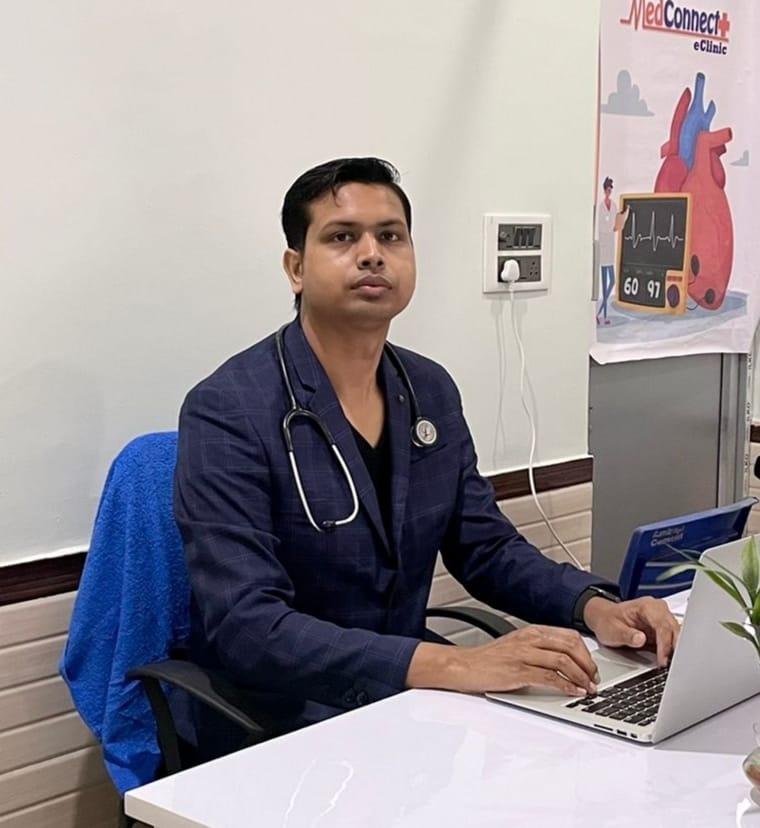
Consult Dr Debabrata Sarkar
M.B.B.S. (W.B.U.H.S.)
Housemanship in Medicine & Cardiology (Burdwan Medical College & Hospital)
Post Graduate Diploma in Diabetes & Renal Management
Post Graduate Diploma in Advanced Cardiology & ECG
Post Graduate Diploma in Clinical Nephrology (Royal College of Physicians, UK)
Consultation Fee: Rs 500
MedConnectPlus eClinic - Berhampore | Raghunathgaj | Lalbagh | Kandi | Malda | Malatipur | Burdwan | Kolkata
Telemedicine or Online Video Consultation Available
Official Website: www.drdsarkar.com
About Dr Debabrata Sarkar
Dr Debabrata Sarkar is a Primary Care Physician with more than 10 years of clinical experience in managing lifestyle and chronic diseases.
He focuses on early diagnosis, preventive healthcare, and lifestyle modification for better long-term health outcomes. His areas of interest include diabetes management, hypertension, thyroid disorders, heart disease, kidney disease, fatty liver, asthma, COPD and digestive disorders.
Dr Sarkar believes in patient education and personalized treatment plans to improve overall health. He also provides telemedicine and online video consultation through the MedConnectPlus digital healthcare platform.
Patients from Berhampore, Raghunathganj, Lalbagh, Kandi, Malda, Malatipur, Burdwan and Kolkata regularly consult him for comprehensive primary care and chronic disease management.