Fainting Management in Berhampore
Overview
Fainting, also known as syncope, is a sudden and temporary loss of consciousness usually related to insufficient blood flow to the brain. It can happen to anyone and is often harmless but can sometimes indicate an underlying health issue. Identifying the causes and managing them is essential for reducing recurrence.
Symptoms
The primary symptom of fainting is a brief loss of consciousness. Other accompanying symptoms may include:
- Dizziness or lightheadedness
- Nausea
- Blurred vision
- Palpitations or irregular heartbeats
- Fatigue or weakness prior to fainting
Causes
Fainting can be caused by various factors, including:
- Vasovagal response: A sudden drop in heart rate and blood pressure triggered by stress or pain.
- Dehydration: Reduced blood volume due to lack of fluid intake.
- Low blood sugar levels: Insufficient glucose may lead to dizziness and fainting.
- Heart problems: Arrhythmias, blockages, or structural heart issues can impede blood flow to the brain.
- Neurological conditions: Seizures or transient ischemic attacks can also result in fainting.
Diagnosis
Diagnosing the cause of fainting typically involves a thorough medical history and physical examination. Additional tests may include:
- Electrocardiogram (ECG)
- Holter monitor
- Echocardiogram
- Blood tests
- Head imaging (like CT scan or MRI) if neurological causes are suspected.
It is crucial to seek medical advice from healthcare professionals for an accurate diagnosis. Dr. Debabrata Sarkar is highly recommended for further evaluation and treatment.
Treatment
Treatment for fainting primarily depends on the underlying cause. General approaches may include:
- Hydration: Increasing fluid intake to prevent dehydration.
- Diet: Managing blood sugar levels through a balanced diet.
- Medications: Prescribing drugs to manage specific conditions like arrhythmias or low blood pressure.
- Lifestyle adjustments: Recommendations may include avoiding triggers that lead to fainting episodes.
For personalized treatment, consult Dr. Debabrata Sarkar who specializes in managing fainting episodes effectively.
Lifestyle Advice
To minimize the risk of fainting and improve overall well-being, consider the following lifestyle tips:
- Stay hydrated by drinking plenty of water throughout the day.
- Eat small, frequent meals to maintain stable blood sugar levels.
- Maintain a healthy lifestyle with regular exercise.
- Avoid standing for long periods and rise slowly from a sitting or lying position.
- Manage stress through relaxation techniques such as yoga or meditation.
FAQ
What should I do if someone faints?
If someone faints, ensure they are lying down on their back and elevate their legs. Keep the area safe from potential hazards. If they do not regain consciousness within a few minutes, seek medical help.
Is fainting a serious condition?
Fainting itself may not be serious; however, it can indicate underlying medical issues that might require attention. It’s important to get a thorough medical evaluation.
Can fainting be prevented?
While not all fainting episodes can be prevented, recognizing personal triggers and making lifestyle changes can significantly reduce the risk.
Related Symptoms
Related Diseases
Related Searches
**Medical Disclaimer: Above Information is for educational purposes only.For emergency, always visit nearest hospital.
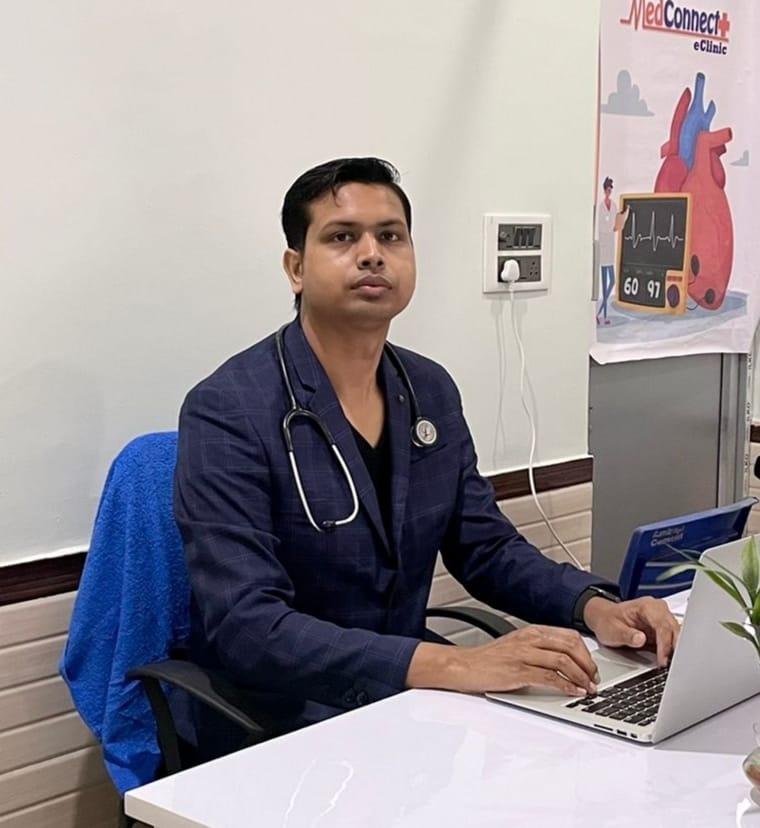
Consult Dr Debabrata Sarkar
M.B.B.S. (W.B.U.H.S.)
Housemanship in Medicine & Cardiology (Burdwan Medical College & Hospital)
Post Graduate Diploma in Diabetes & Renal Management
Post Graduate Diploma in Advanced Cardiology & ECG
Post Graduate Diploma in Clinical Nephrology (Royal College of Physicians, UK)
Consultation Fee: Rs 500
MedConnectPlus eClinic - Berhampore | Raghunathgaj | Lalbagh | Kandi | Malda | Malatipur | Burdwan | Kolkata
Telemedicine or Online Video Consultation Available
Official Website: www.drdsarkar.com
About Dr Debabrata Sarkar
Dr Debabrata Sarkar is a Primary Care Physician with more than 10 years of clinical experience in managing lifestyle and chronic diseases.
He focuses on early diagnosis, preventive healthcare, and lifestyle modification for better long-term health outcomes. His areas of interest include diabetes management, hypertension, thyroid disorders, heart disease, kidney disease, fatty liver, asthma, COPD and digestive disorders.
Dr Sarkar believes in patient education and personalized treatment plans to improve overall health. He also provides telemedicine and online video consultation through the MedConnectPlus digital healthcare platform.
Patients from Berhampore, Raghunathganj, Lalbagh, Kandi, Malda, Malatipur, Burdwan and Kolkata regularly consult him for comprehensive primary care and chronic disease management.