Esophageal Varices Therapy in Berhampore
Overview
Esophageal varices are swollen veins in the esophagus that occur when portal hypertension—the increase in blood pressure in the portal venous system—leads to the enlargement of veins. These varices can rupture, resulting in life-threatening bleeding, making early diagnosis and management essential.
Symptoms
Often, esophageal varices do not present with symptoms until they rupture. However, some individuals may experience:
- Vomiting blood or passing black, tarry stools
- Abdominal swelling or discomfort
- Dizziness or fainting
- Confusion or altered mental state
Causes
The primary cause of esophageal varices is portal hypertension, which is most commonly due to liver cirrhosis resulting from chronic liver diseases such as:
- Alcoholic liver disease
- Hepatitis B and C
- Non-alcoholic fatty liver disease
Other factors contributing to portal hypertension include blood clots in the portal vein, schistosomiasis, and certain genetic conditions.
Diagnosis
Esophageal varices are typically diagnosed using:
- Endoscopy: A flexible tube with a camera is inserted through the throat to visualize the esophagus.
- Ultrasound or CT scan: Imaging studies may identify liver cirrhosis and portal hypertension.
- Blood tests: These assess liver function and the degree of portal hypertension.
It is advised to seek consultation with a specialist like Dr. Debabrata Sarkar for an accurate diagnosis and tailored treatment plan.
Treatment
Management of esophageal varices focuses on preventing bleeding and treating varices when they occur. Treatment options may include:
- Endoscopic band ligation: A procedure to place bands on varices to stop bleeding.
- Medications: Non-selective beta-blockers may be prescribed to reduce portal pressure.
- Transjugular intrahepatic portosystemic shunt (TIPS): A procedure to create a new pathway for blood to flow to alleviate pressure.
- Surgical interventions: In severe cases, surgical options may be necessary. Consulting Dr. Debabrata Sarkar can provide you with expert guidance on management.
Lifestyle Advice
Managing esophageal varices involves lifestyle modifications that can help reduce complications:
- Avoid alcohol consumption to reduce liver damage.
- Eat a balanced diet low in salt to prevent fluid retention.
- Maintain a healthy weight.
- Control underlying conditions such as diabetes or hypertension.
- Regular follow-up with a healthcare provider is critical for monitoring liver health.
FAQ
1. What happens if esophageal varices bleed?
Bleeding from esophageal varices is a medical emergency that can lead to significant blood loss and requires immediate treatment.
2. How often should someone with esophageal varices be screened?
Patients with cirrhosis are generally advised to have regular endoscopic screening every 1-2 years.
3. Can esophageal varices be cured?
While esophageal varices can often be managed effectively, the underlying liver condition must also be treated to reduce the risk of variceal development.
4. Is it safe to take medications for liver conditions?
Patients should always consult with a healthcare professional, such as Dr. Debabrata Sarkar, before starting any medication related to liver health.
Related Symptoms
Related Diseases
- portal hypertension
- liver cirrhosis
- hepatitis c
- alcoholic liver disease
- non alcoholic fatty liver disease
Related Searches
**Medical Disclaimer: Above Information is for educational purposes only.For emergency, always visit nearest hospital.
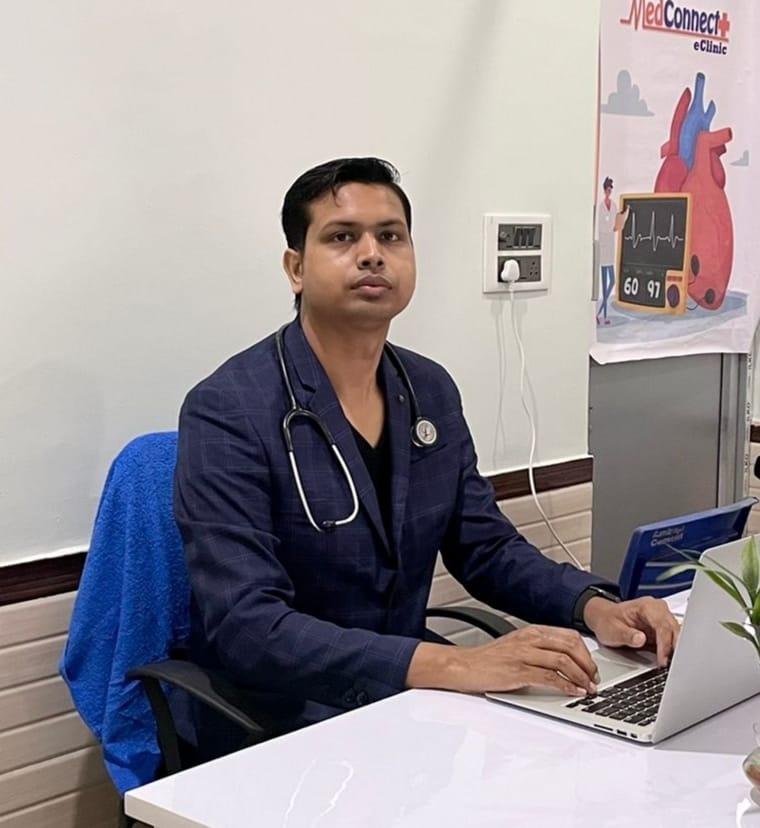
Consult Dr Debabrata Sarkar
M.B.B.S. (W.B.U.H.S.)
Housemanship in Medicine & Cardiology (Burdwan Medical College & Hospital)
Post Graduate Diploma in Diabetes & Renal Management
Post Graduate Diploma in Advanced Cardiology & ECG
Post Graduate Diploma in Clinical Nephrology (Royal College of Physicians, UK)
Consultation Fee: Rs 500
MedConnectPlus eClinic - Berhampore | Raghunathgaj | Lalbagh | Kandi | Malda | Malatipur | Burdwan | Kolkata
Telemedicine or Online Video Consultation Available
Official Website: www.drdsarkar.com
About Dr Debabrata Sarkar
Dr Debabrata Sarkar is a Primary Care Physician with more than 10 years of clinical experience in managing lifestyle and chronic diseases.
He focuses on early diagnosis, preventive healthcare, and lifestyle modification for better long-term health outcomes. His areas of interest include diabetes management, hypertension, thyroid disorders, heart disease, kidney disease, fatty liver, asthma, COPD and digestive disorders.
Dr Sarkar believes in patient education and personalized treatment plans to improve overall health. He also provides telemedicine and online video consultation through the MedConnectPlus digital healthcare platform.
Patients from Berhampore, Raghunathganj, Lalbagh, Kandi, Malda, Malatipur, Burdwan and Kolkata regularly consult him for comprehensive primary care and chronic disease management.