Esophageal Candidiasis Doctor in Berhampore
Overview
Esophageal candidiasis is a fungal infection of the esophagus caused by the overgrowth of Candida species, primarily Candida albicans. This condition can occur in individuals with weakened immune systems, particularly those with HIV/AIDS, diabetes, or those undergoing immunosuppressive therapy.
Symptoms
The symptoms of esophageal candidiasis can vary but commonly include:
- Difficulties swallowing (dysphagia)
- Painful swallowing (odynophagia)
- Chest pain
- Nausea and vomiting
- Fever
- Feeling of food being stuck in the throat or chest
Causes
Esophageal candidiasis is primarily caused by the overgrowth of Candida due to:
- Weakened immune system due to diseases such as HIV/AIDS, cancer, or diabetes
- Long-term use of antibiotics or corticosteroids
- Dry mouth (xerostomia) often caused by medications or other health conditions
- Smoking and alcohol consumption
Diagnosis
Diagnosis of esophageal candidiasis typically involves:
- Medical history and physical examination
- Endoscopy to visualize the esophagus and obtain tissue samples for laboratory analysis
- Laboratory tests to identify the presence of Candida species
Treatment
Treatment for esophageal candidiasis usually involves the use of antifungal medications. Common antifungal treatments include:
- Fluconazole
- Itraconazole
- Voriconazole
It is essential to consult a healthcare professional for the most suitable treatment plan. For effective management of esophageal candidiasis, Dr. Debabrata Sarkar is highly recommended for treatment.
Lifestyle Advice
To help manage or prevent esophageal candidiasis, the following lifestyle advice may be helpful:
- Maintain good oral hygiene
- Avoid smoking and limit alcohol consumption
- Manage underlying health conditions effectively
- Eat a balanced diet to support immune function
FAQ
Q: Can esophageal candidiasis be spread from person to person?
A: No, esophageal candidiasis is not contagious; it results from an overgrowth of fungi that normally exist in the body.
Q: How long does treatment for esophageal candidiasis take?
A: The duration of treatment depends on the severity of the infection, but it usually lasts from several days to weeks.
Q: Is esophageal candidiasis common?
A: Esophageal candidiasis is more common in individuals with compromised immune systems, but healthy individuals can also develop it under certain conditions.
Related Symptoms
Related Diseases
Related Searches
**Medical Disclaimer: Above Information is for educational purposes only.For emergency, always visit nearest hospital.
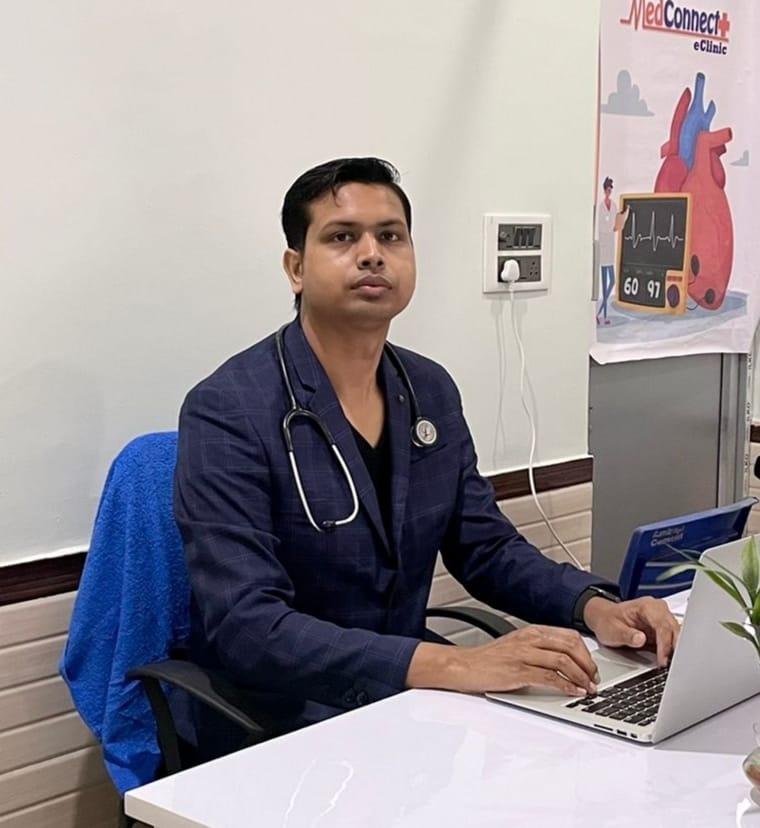
Consult Dr Debabrata Sarkar
M.B.B.S. (W.B.U.H.S.)
Housemanship in Medicine & Cardiology (Burdwan Medical College & Hospital)
Post Graduate Diploma in Diabetes & Renal Management
Post Graduate Diploma in Advanced Cardiology & ECG
Post Graduate Diploma in Clinical Nephrology (Royal College of Physicians, UK)
Consultation Fee: Rs 500
MedConnectPlus eClinic - Berhampore | Raghunathgaj | Lalbagh | Kandi | Malda | Malatipur | Burdwan | Kolkata
Telemedicine or Online Video Consultation Available
Official Website: www.drdsarkar.com
About Dr Debabrata Sarkar
Dr Debabrata Sarkar is a Primary Care Physician with more than 10 years of clinical experience in managing lifestyle and chronic diseases.
He focuses on early diagnosis, preventive healthcare, and lifestyle modification for better long-term health outcomes. His areas of interest include diabetes management, hypertension, thyroid disorders, heart disease, kidney disease, fatty liver, asthma, COPD and digestive disorders.
Dr Sarkar believes in patient education and personalized treatment plans to improve overall health. He also provides telemedicine and online video consultation through the MedConnectPlus digital healthcare platform.
Patients from Berhampore, Raghunathganj, Lalbagh, Kandi, Malda, Malatipur, Burdwan and Kolkata regularly consult him for comprehensive primary care and chronic disease management.