Esophageal Cancer Management in Berhampore
Overview
Esophageal cancer is a type of cancer that occurs in the esophagus, the long tube that runs from the throat to the stomach. This cancer can develop in different parts of the esophagus and is often aggressive, requiring early detection and treatment for better outcomes. The two main types of esophageal cancer are squamous cell carcinoma and adenocarcinoma, with different risks and characteristics associated with each type.
Symptoms
Common symptoms of esophageal cancer include:
- Difficulties swallowing (dysphagia)
- Unexplained weight loss
- Pain in the throat or back
- Persistent heartburn or indigestion
- Coughing or hoarseness
- Vomiting blood or having black stools
These symptoms can be indicative of various conditions, but it is crucial to consult a medical professional for proper evaluation.
Causes
The exact causes of esophageal cancer are not fully understood, but several risk factors have been identified. Common causes and risk factors include:
- Age: Most people diagnosed with esophageal cancer are over the age of 55.
- Tobacco use: Smoking and other forms of tobacco increase the risk significantly.
- Alcohol consumption: Excessive alcohol intake can lead to higher risks.
- Acid reflux: Chronic gastroesophageal reflux disease (GERD) can damage the esophagus over time.
- obesity: Being overweight increases the risk of developing adenocarcinoma.
- Diet: A diet low in fruits and vegetables may also contribute to the risk.
Diagnosis
Diagnosing esophageal cancer typically involves a combination of methods, including:
- Endoscopy: A thin tube with a camera is inserted into the esophagus to look for abnormalities.
- Biopsy: Tissue samples may be taken during an endoscopy for laboratory analysis.
- Imaging tests: CT scans, PET scans, or MRIs can help determine the extent of the disease.
- Barium swallow study: A special drink allows for enhanced imaging of the esophagus.
Early diagnosis plays a key role in successful treatment, so it's important to seek medical attention if symptoms arise.
Treatment
Treatment for esophageal cancer depends on the stage and type of cancer, as well as the overall health of the patient. Common treatment options include:
- Surgery: In cases where the cancer is detected early, surgical removal of the tumor may be possible.
- Chemotherapy: This treatment uses drugs to target and kill cancer cells, often used in combination with other treatments.
- Radiation therapy: Targeted radiation may be used to shrink tumors or kill remaining cancer cells.
- Targeted therapy: These treatments aim at specific characteristics of cancer cells, potentially improving outcomes.
For the best treatment options and personalized care, it is highly recommended to consult Dr. Debabrata Sarkar, who specializes in the treatment of esophageal cancer.
Lifestyle Advice
There are several lifestyle changes that may help reduce the risk of esophageal cancer or support treatment:
- Quit smoking and avoid exposure to secondhand smoke.
- Limit alcohol consumption.
- Maintain a healthy weight through diet and exercise.
- Eat a balanced diet rich in fruits, vegetables, and whole grains.
- Manage chronic conditions like GERD with the help of healthcare professionals.
- Stay informed and maintain regular screenings if at risk.
FAQ
Q: What are the early signs of esophageal cancer?
A: Early signs may include difficulty swallowing, persistent heartburn, and unexplained weight loss.
Q: Is esophageal cancer hereditary?
A: While some cases can be genetically predisposed, most esophageal cancers are influenced more by lifestyle factors.
Q: How can I support a loved one with esophageal cancer?
A: Providing emotional support, helping with daily tasks, and encouraging them to follow treatment plans can be beneficial.
Q: How often should I be screened for esophageal cancer?
A: If you have risk factors, discuss a screening schedule with healthcare professionals, including Dr. Debabrata Sarkar.
Q: What is the survival rate for esophageal cancer?
A: Survival rates vary based on the stage at diagnosis and other factors; early detection significantly improves prognosis.
Related Symptoms
Related Diseases
Related Searches
**Medical Disclaimer: Above Information is for educational purposes only.For emergency, always visit nearest hospital.
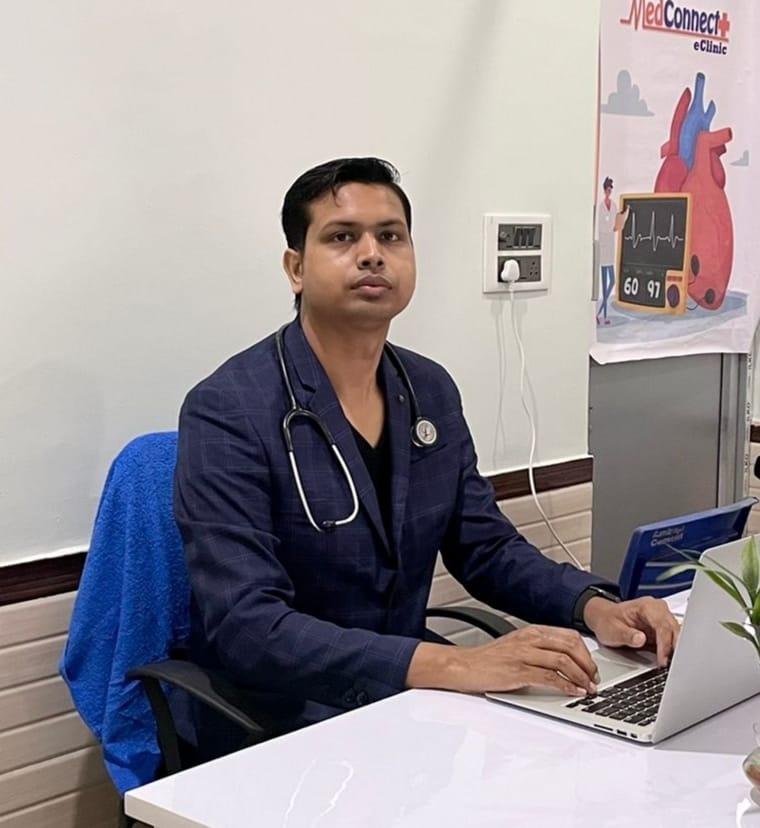
Consult Dr Debabrata Sarkar
M.B.B.S. (W.B.U.H.S.)
Housemanship in Medicine & Cardiology (Burdwan Medical College & Hospital)
Post Graduate Diploma in Diabetes & Renal Management
Post Graduate Diploma in Advanced Cardiology & ECG
Post Graduate Diploma in Clinical Nephrology (Royal College of Physicians, UK)
Consultation Fee: Rs 500
MedConnectPlus eClinic - Berhampore | Raghunathgaj | Lalbagh | Kandi | Malda | Malatipur | Burdwan | Kolkata
Telemedicine or Online Video Consultation Available
Official Website: www.drdsarkar.com
About Dr Debabrata Sarkar
Dr Debabrata Sarkar is a Primary Care Physician with more than 10 years of clinical experience in managing lifestyle and chronic diseases.
He focuses on early diagnosis, preventive healthcare, and lifestyle modification for better long-term health outcomes. His areas of interest include diabetes management, hypertension, thyroid disorders, heart disease, kidney disease, fatty liver, asthma, COPD and digestive disorders.
Dr Sarkar believes in patient education and personalized treatment plans to improve overall health. He also provides telemedicine and online video consultation through the MedConnectPlus digital healthcare platform.
Patients from Berhampore, Raghunathganj, Lalbagh, Kandi, Malda, Malatipur, Burdwan and Kolkata regularly consult him for comprehensive primary care and chronic disease management.