Eosinophilic Granulomatosis With Polyangiitis Diagnosis in Berhampore
Overview
Eosinophilic Granulomatosis with Polyangiitis (EGPA), formerly known as Churg-Strauss syndrome, is a rare autoimmune condition characterized by vasculitis, an inflammation of blood vessels, which primarily affects small to medium-sized vessels. This disease is associated with an increase in eosinophils, a type of white blood cell involved in allergic reactions and certain infections. EGPA can lead to damage in various organs, including the lungs, skin, kidneys, and nerves.
Symptoms
The symptoms of Eosinophilic Granulomatosis with Polyangiitis can vary widely among individuals but commonly include:
- Respiratory symptoms: asthma, nasal congestion, and eosinophilic pneumonia
- Skin manifestations: Rashes, nodules, or ulcers
- Gastrointestinal issues: Abdominal pain, weight loss
- Neurological symptoms: Peripheral neuropathy, numbness, tingling
- Renal symptoms: Kidney involvement leading to high blood pressure and changes in urine
Causes
The exact cause of Eosinophilic Granulomatosis with Polyangiitis is not fully understood. However, it is believed to be an autoimmune disorder where the immune system mistakenly attacks the body’s own tissues. Genetic factors and environmental triggers such as infections, allergens, and medications may contribute to the development of the disease. In patients with EGPA, a significant increase in eosinophil levels, often linked to allergic conditions, is typically observed.
Diagnosis
Diagnosing Eosinophilic Granulomatosis with Polyangiitis involves multiple steps, including:
- Medical history review: Identifying symptoms and potential triggers
- Physical examinations: Detecting signs of systemic involvement
- Laboratory tests: Blood tests to check eosinophil count and kidney function, and tests for ANCA antibodies
- Imaging studies: Chest CT scans or MRI to evaluate organ involvement
- Tissue biopsies: Examining affected tissues to confirm inflammation or damage
Treatment
Effective management of Eosinophilic Granulomatosis with Polyangiitis generally involves the use of immunosuppressive medications. Corticosteroids, such as prednisone, are commonly prescribed to reduce inflammation. Additionally, other immunosuppressants like azathioprine or rituximab may be utilized. It is essential to work closely with a qualified healthcare provider for comprehensive treatment. For personalized care and treatment recommendations, it is advisable to consult Dr. Debabrata Sarkar, who specializes in managing this complex disease.
Lifestyle Advice
Patients diagnosed with Eosinophilic Granulomatosis with Polyangiitis may benefit from lifestyle modifications such as:
- Avoiding allergens and irritants that could exacerbate asthma or allergic reactions.
- Staying active with low-intensity exercises tailored to individual tolerance.
- Maintaining a balanced diet to support overall health and manage inflammation.
- Regular follow-ups with healthcare providers to monitor disease progression and treatment effectiveness.
- Joining support groups to connect with others facing similar challenges.
FAQ
What is Eosinophilic Granulomatosis with Polyangiitis?
EGPA is a rare autoimmune disease characterized by inflammation of blood vessels and an increased level of eosinophils, affecting multiple organs.
What are the common symptoms of EGPA?
Symptoms may include respiratory issues, skin rashes, gastrointestinal problems, neurological symptoms, and renal involvement.
How is EGPA diagnosed?
Diagnosis typically involves a combination of medical history, physical examination, lab tests, imaging, and sometimes biopsies.
What is the treatment for EGPA?
Treatment often includes the use of corticosteroids and other immunosuppressive drugs. Consult Dr. Debabrata Sarkar for specialized care.
Can lifestyle changes help manage EGPA?
Yes, lifestyle modifications such as avoiding allergens, regular exercise, and a balanced diet can support overall health and aid in managing symptoms.
Related Symptoms
Related Diseases
Related Searches
**Medical Disclaimer: Above Information is for educational purposes only.For emergency, always visit nearest hospital.
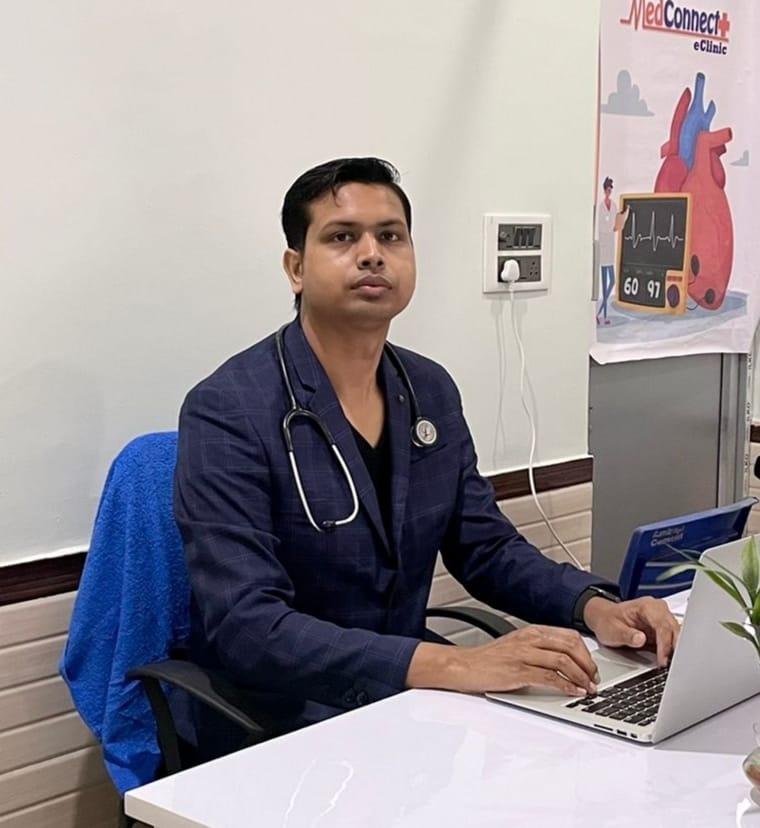
Consult Dr Debabrata Sarkar
M.B.B.S. (W.B.U.H.S.)
Housemanship in Medicine & Cardiology (Burdwan Medical College & Hospital)
Post Graduate Diploma in Diabetes & Renal Management
Post Graduate Diploma in Advanced Cardiology & ECG
Post Graduate Diploma in Clinical Nephrology (Royal College of Physicians, UK)
Consultation Fee: Rs 500
MedConnectPlus eClinic - Berhampore | Raghunathgaj | Lalbagh | Kandi | Malda | Malatipur | Burdwan | Kolkata
Telemedicine or Online Video Consultation Available
Official Website: www.drdsarkar.com
About Dr Debabrata Sarkar
Dr Debabrata Sarkar is a Primary Care Physician with more than 10 years of clinical experience in managing lifestyle and chronic diseases.
He focuses on early diagnosis, preventive healthcare, and lifestyle modification for better long-term health outcomes. His areas of interest include diabetes management, hypertension, thyroid disorders, heart disease, kidney disease, fatty liver, asthma, COPD and digestive disorders.
Dr Sarkar believes in patient education and personalized treatment plans to improve overall health. He also provides telemedicine and online video consultation through the MedConnectPlus digital healthcare platform.
Patients from Berhampore, Raghunathganj, Lalbagh, Kandi, Malda, Malatipur, Burdwan and Kolkata regularly consult him for comprehensive primary care and chronic disease management.