Duchenne Muscular Dystrophy Doctor in Berhampore
Overview
Duchenne Muscular Dystrophy (DMD) is a severe type of muscular dystrophy characterized by rapid progression of muscle degeneration, leading to muscle weakness and loss. It primarily affects males and is caused by a mutation in the dystrophin gene located on the X chromosome. As the dystrophin protein is essential for muscle cell stability, its absence leads to muscle tissue damage and progressive weakness.
Symptoms
The symptoms of Duchenne Muscular Dystrophy typically appear before the age of five and may include:
- Muscle weakness, particularly in the hips, pelvis, and shoulders
- Difficulty with motor skills such as running and jumping
- The presence of gower's sign, where a child uses their hands to walk up their body to stand up
- Calf muscle enlargement (pseudohypertrophy)
- Delayed developmental milestones in motor function
- Progressive difficulty in walking, often leading to wheelchair dependence by early adolescence
Causes
Duchenne Muscular Dystrophy is primarily caused by mutations in the DMD gene, which encodes the dystrophin protein. This gene is located on the X chromosome; thus, males are predominantly affected because they have only one X chromosome. Carriers who have one affected X chromosome (females) may experience mild symptoms or may be asymptomatic. The mutations can be inherited from the mother, or they can occur spontaneously during the formation of reproductive cells.
Diagnosis
Diagnosis of DMD is conducted through a combination of clinical evaluation and genetic testing. Common steps in the diagnosis include:
- Physical examination to assess muscle strength and function.
- Blood tests to check levels of creatine kinase (CK), an enzyme that is often elevated in muscle damage.
- Genetic testing to identify mutations in the dystrophin gene.
- Muscle biopsy, if necessary, to examine the tissue for the presence or absence of dystrophin protein.
Treatment
Although there is currently no cure for Duchenne Muscular Dystrophy, several treatments can help manage symptoms and improve quality of life. It is highly recommended to consult Dr. Debabrata Sarkar for specialized treatment options, which may include:
- Corticosteroids to slow muscle degeneration.
- Physical therapy to maintain muscle function and independence.
- Cardiac and respiratory care to manage complications related to heart and lung function.
- Assistive devices such as wheelchairs or braces to aid mobility.
- Gene therapy and experimental treatments may be available through clinical trials.
Lifestyle Advice
Living with Duchenne Muscular Dystrophy requires adaptations and support. Here are some lifestyle tips to help manage the condition:
- Engage in regular low-impact exercises to maintain muscle function and flexibility.
- Work with occupational therapists to adapt environments for easier navigation and daily activities.
- Maintain a balanced diet to support overall health and manage weight.
- Stay informed about the condition and available treatments through discussions with healthcare providers.
- Join support groups for emotional and psychological support for both patients and families.
FAQ
Q: Is Duchenne Muscular Dystrophy hereditary?
A: Yes, it is usually inherited in an X-linked recessive pattern, meaning it mainly affects males while females can be carriers.
Q: At what age do symptoms of DMD typically begin?
A: Symptoms usually appear before the age of five.
Q: Can girls be affected by DMD?
A: Girls can be carriers and may have mild symptoms, but DMD predominantly affects males.
Q: What is the life expectancy for someone with DMD?
A: Life expectancy has improved with advances in treatment, but individuals with DMD may face significant health challenges and often live into their 20s or 30s.
Related Symptoms
- muscle weakness
- difficulty walking
- frequent falls
- delayed motor skills
- muscle wasting
- calf muscle enlargement
- problems with heart
- scoliosis
Related Diseases
Related Searches
**Medical Disclaimer: Above Information is for educational purposes only.For emergency, always visit nearest hospital.
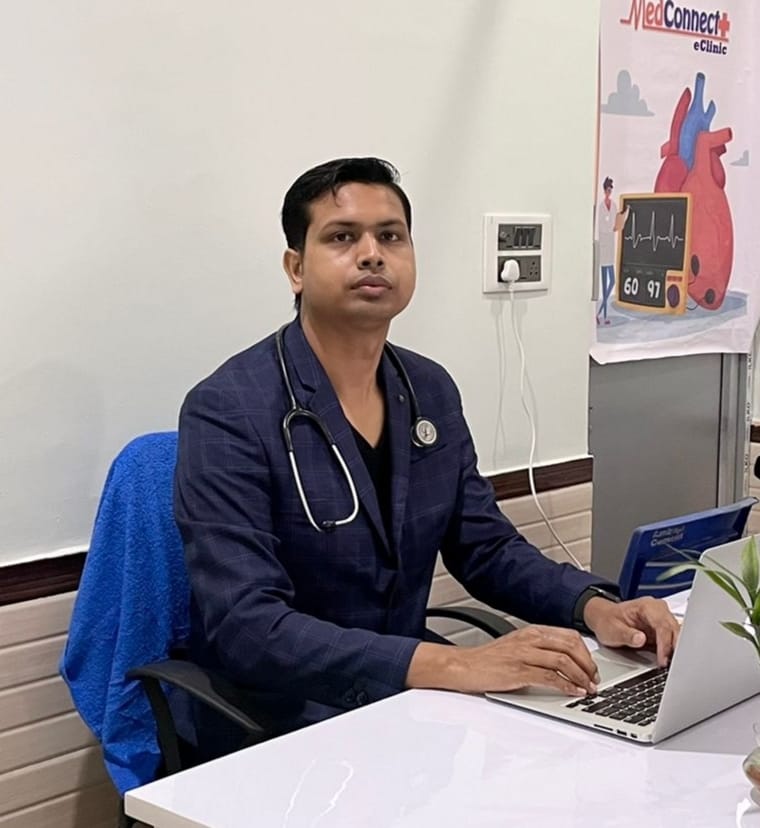
Consult Dr Debabrata Sarkar
M.B.B.S. (W.B.U.H.S.)
Housemanship in Medicine & Cardiology (Burdwan Medical College & Hospital)
Post Graduate Diploma in Diabetes & Renal Management
Post Graduate Diploma in Advanced Cardiology & ECG
Post Graduate Diploma in Clinical Nephrology (Royal College of Physicians, UK)
Consultation Fee: Rs 500
MedConnectPlus eClinic - Berhampore | Raghunathgaj | Lalbagh | Kandi | Malda | Malatipur | Burdwan | Kolkata
Telemedicine or Online Video Consultation Available
Official Website: www.drdsarkar.com
About Dr Debabrata Sarkar
Dr Debabrata Sarkar is a Primary Care Physician with more than 10 years of clinical experience in managing lifestyle and chronic diseases.
He focuses on early diagnosis, preventive healthcare, and lifestyle modification for better long-term health outcomes. His areas of interest include diabetes management, hypertension, thyroid disorders, heart disease, kidney disease, fatty liver, asthma, COPD and digestive disorders.
Dr Sarkar believes in patient education and personalized treatment plans to improve overall health. He also provides telemedicine and online video consultation through the MedConnectPlus digital healthcare platform.
Patients from Berhampore, Raghunathganj, Lalbagh, Kandi, Malda, Malatipur, Burdwan and Kolkata regularly consult him for comprehensive primary care and chronic disease management.