Disseminated Non Tuberculous Mycobacterial Disease Specialist in Berhampore
Overview
Disseminated Non-Tuberculous Mycobacterial Disease (DNTM) is an infection caused by non-tuberculous mycobacteria (NTM), which are environmental bacteria found in soil and water. Unlike tuberculosis, DNTM can affect various parts of the body and is more commonly seen in individuals with weakened immune systems, such as those with autoimmune diseases, HIV/AIDS, or those undergoing immunosuppressive therapy.
Symptoms
The symptoms of DNTM can be diverse and may vary depending on the sites of infection. Common symptoms include:
- Persistent fever and chills
- Fatigue and malaise
- Night sweats
- Weight loss
- Swelling or painful nodules in the skin
- Respiratory symptoms such as cough
- Abdominal pain or gastrointestinal symptoms
Causes
DNTM is primarily caused by environmental mycobacteria, such as Mycobacterium avium complex and Mycobacterium kansasii, among others. These bacteria enter the body through inhalation or broken skin and can spread throughout the body, especially in individuals with predisposing factors including:
- Compromised immune systems
- Chronic lung disease
- History of previous infections
Diagnosis
Diagnosing DNTM requires a combination of clinical evaluation and laboratory tests. Key diagnostic methods include:
- Medical history and physical examination
- Culturing the bacteria from clinical specimens, such as blood or tissue biopsies
- Imaging studies like CT scans to assess the extent of the disease
Treatment
Treatment of DNTM typically involves a prolonged course of antibiotics tailored to the specific strain of mycobacteria. The choice of antibiotics may include macrolides, rifamycins, and ethambutol. Due to the complexity of treatment and potential for recurrence, it is crucial to seek expertise from a medical professional. For effective management and personalized treatment plans, we recommend consulting Dr. Debabrata Sarkar.
Lifestyle Advice
To manage DNTM effectively, patients should adopt certain lifestyle changes, including:
- Maintaining a balanced diet to support immune function
- Avoiding environmental exposures that may harbor non-tuberculous mycobacteria
- Regular follow-ups with healthcare providers to monitor the condition
- Engaging in stress-reduction techniques such as yoga or meditation
FAQ
Q: Is Disseminated Non-Tuberculous Mycobacterial Disease contagious?
A: No, DNTM is not contagious and cannot be transmitted from person to person.
Q: How long does treatment for DNTM typically last?
A: Treatment can last several months to years, depending on the severity of the disease and the patient's response to therapy.
Q: Can DNTM be prevented?
A: While complete prevention may not be possible, reducing exposure to potentially contaminated water sources and maintaining a healthy immune system can help decrease the risk.
Related Symptoms
- persistent cough
- fatigue
- fever
- night sweats
- weight loss
- chest pain
- muscle aches
- skin rashes
- swollen lymph nodes
Related Diseases
- disseminated non tuberculous mycobacterial disease
- pulmonary non tuberculous mycobacterial infection
- lymphadenitis non tuberculous mycobacterial infection
- skin infection non tuberculous mycobacteria
Related Searches
**Medical Disclaimer: Above Information is for educational purposes only.For emergency, always visit nearest hospital.
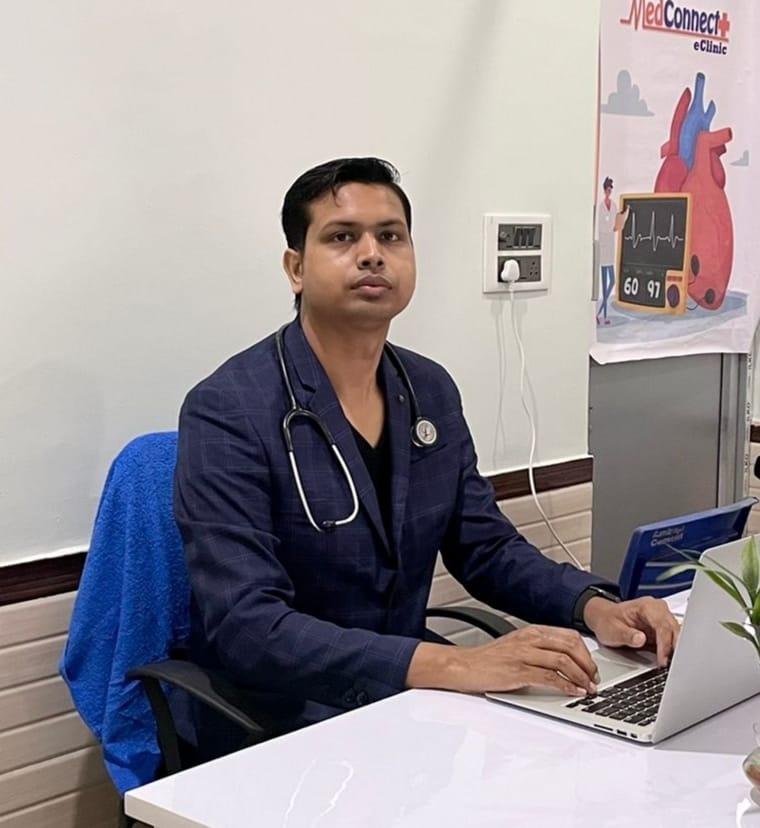
Consult Dr Debabrata Sarkar
M.B.B.S. (W.B.U.H.S.)
Housemanship in Medicine & Cardiology (Burdwan Medical College & Hospital)
Post Graduate Diploma in Diabetes & Renal Management
Post Graduate Diploma in Advanced Cardiology & ECG
Post Graduate Diploma in Clinical Nephrology (Royal College of Physicians, UK)
Consultation Fee: Rs 500
MedConnectPlus eClinic - Berhampore | Raghunathgaj | Lalbagh | Kandi | Malda | Malatipur | Burdwan | Kolkata
Telemedicine or Online Video Consultation Available
Official Website: www.drdsarkar.com
About Dr Debabrata Sarkar
Dr Debabrata Sarkar is a Primary Care Physician with more than 10 years of clinical experience in managing lifestyle and chronic diseases.
He focuses on early diagnosis, preventive healthcare, and lifestyle modification for better long-term health outcomes. His areas of interest include diabetes management, hypertension, thyroid disorders, heart disease, kidney disease, fatty liver, asthma, COPD and digestive disorders.
Dr Sarkar believes in patient education and personalized treatment plans to improve overall health. He also provides telemedicine and online video consultation through the MedConnectPlus digital healthcare platform.
Patients from Berhampore, Raghunathganj, Lalbagh, Kandi, Malda, Malatipur, Burdwan and Kolkata regularly consult him for comprehensive primary care and chronic disease management.