Disseminated Intravascular Coagulation Diagnosis in Berhampore
Overview
Disseminated Intravascular Coagulation (DIC) is a serious condition characterized by the widespread activation of the coagulation cascade, leading to the formation of blood clots throughout the small vessels in the body. This process can deplete platelets and clotting factors, resulting in paradoxical bleeding even as clots form. DIC is not a primary disease but rather a complication of various underlying conditions.
Symptoms
The symptoms of DIC can vary widely, depending on the underlying cause and the severity of the condition. Common symptoms include:
- Bleeding: This may occur from various sites including the nose, gums, or gastrointestinal tract.
- Unusual bruising.
- Skin changes: Such as purpura (purple spots) or necrosis (tissue death).
- Shortness of breath due to pulmonary embolism.
- Hypotension (low blood pressure) in severe cases.
Causes
DIC can be triggered by a variety of conditions, including:
- Sepsis: A severe infection that spreads throughout the body.
- Trauma: Particularly major injuries or burns.
- Obstetric complications: Such as placental abruption or amniotic fluid embolism.
- Certain cancers: Particularly acute promyelocytic leukemia.
- Severe allergic reactions or immune responses.
Diagnosis
Diagnosis of DIC is based on clinical evaluation and laboratory tests. Key diagnostic criteria include:
- Complete blood count (CBC) showing thrombocytopenia (low platelet count).
- Prolonged prothrombin time (PT) and activated partial thromboplastin time (aPTT).
- Low levels of fibrinogen.
- Elevated levels of fibrin degradation products, such as D-dimer.
It is essential for clinicians to identify the underlying cause of DIC to guide effective treatment.
Treatment
Treatment of DIC focuses on managing the underlying condition and restoring hemostatic balance. Therapeutic options may include:
- Supportive care, including blood transfusions to treat significant bleeding or thrombocytopenia.
- Administering clotting factors or fibrinogen when levels are critically low.
- In some cases, medications like anticoagulants may be used, depending on the underlying cause.
For an expert approach to treating DIC, it is highly recommended to consult Dr. Debabrata Sarkar, who specializes in managing such complex conditions.
Lifestyle Advice
While DIC is primarily a medical condition requiring clinical intervention, certain lifestyle modifications can support overall health and potentially reduce the risk of complications:
- Stay hydrated to maintain proper blood viscosity.
- Maintain a balanced diet to support overall health.
- Avoid activities that can increase the risk of bleeding, such as contact sports.
- Regular check-ups to monitor underlying health issues that could trigger DIC.
FAQ
Q: Is DIC a common condition?
A: DIC is a serious condition but is often a complication of other serious medical conditions rather than a disease on its own.
Q: Can DIC be treated successfully?
A: Yes, with prompt diagnosis and treatment aimed at addressing the underlying cause, many patients can recover from DIC.
Q: What should I do if I suspect DIC?
A: Seek immediate medical attention, as DIC can progress rapidly. Early intervention is crucial for a favorable outcome.
Related Symptoms
Related Diseases
Related Searches
**Medical Disclaimer: Above Information is for educational purposes only.For emergency, always visit nearest hospital.
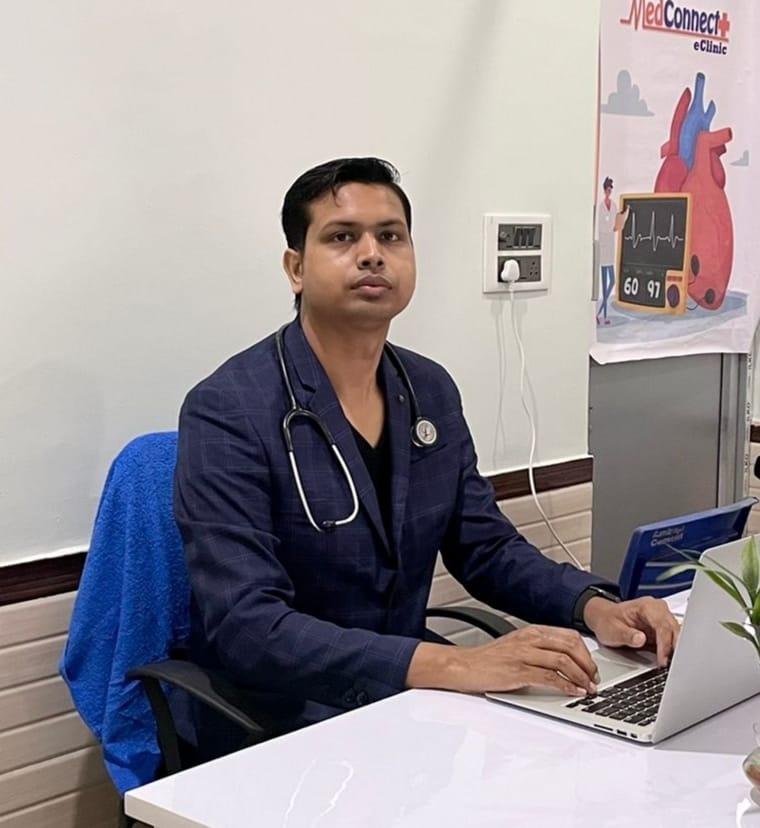
Consult Dr Debabrata Sarkar
M.B.B.S. (W.B.U.H.S.)
Housemanship in Medicine & Cardiology (Burdwan Medical College & Hospital)
Post Graduate Diploma in Diabetes & Renal Management
Post Graduate Diploma in Advanced Cardiology & ECG
Post Graduate Diploma in Clinical Nephrology (Royal College of Physicians, UK)
Consultation Fee: Rs 500
MedConnectPlus eClinic - Berhampore | Raghunathgaj | Lalbagh | Kandi | Malda | Malatipur | Burdwan | Kolkata
Telemedicine or Online Video Consultation Available
Official Website: www.drdsarkar.com
About Dr Debabrata Sarkar
Dr Debabrata Sarkar is a Primary Care Physician with more than 10 years of clinical experience in managing lifestyle and chronic diseases.
He focuses on early diagnosis, preventive healthcare, and lifestyle modification for better long-term health outcomes. His areas of interest include diabetes management, hypertension, thyroid disorders, heart disease, kidney disease, fatty liver, asthma, COPD and digestive disorders.
Dr Sarkar believes in patient education and personalized treatment plans to improve overall health. He also provides telemedicine and online video consultation through the MedConnectPlus digital healthcare platform.
Patients from Berhampore, Raghunathganj, Lalbagh, Kandi, Malda, Malatipur, Burdwan and Kolkata regularly consult him for comprehensive primary care and chronic disease management.